

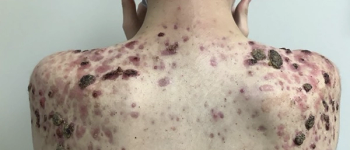
Shanna Miranti, MMS, PA-C, reviews 2 patient cases of pseudo acne fulminans, offering perspectives on treatment and management strategies.
Shanna Miranti, MMS, PA-C, reviews 2 patient cases of pseudo acne fulminans, offering perspectives on treatment and management strategies.

Ahead of the next 3 months of the year, Dermatology Times wants to know what conferences and meetings you plan to attend between October and December. Share your thoughts with us by September 25.
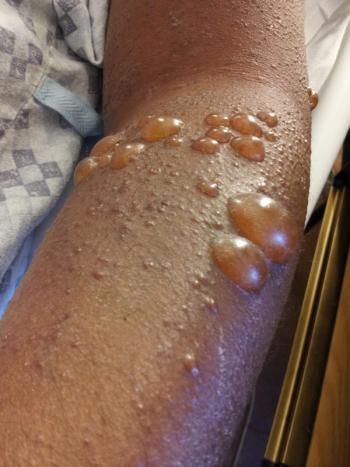
New study results show promise in dupilumab for bullous pemphigoid, with 59% of patients avoiding disease relapse.
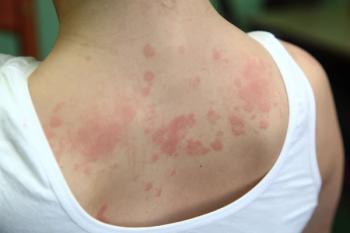
These positive data will support US regulatory submission by end of 2024.

Swiss researchers found significant gender differences in melanoma care, including variations in information preferences and treatment decision-making.

The review assessed infections, gastrointestinal AEs, blood and lymphatic disorders, and nervous system and musculoskeletal/connective tissue disorders.

Researchers stated the lack of reported clinical validation data raises concerns about their effectiveness and safety.

A recent review found glycyrrhizin improves minoxidil's efficacy in treating AA, showing reduced severity and improved hair density.

Researchers reported that second-year students were more likely to identify dermatological conditions, particularly in White patients.

It is important that dermatology providers can easily recognize and treat communicable sports dermatoses, writes Shanna Miranti, MMS, PA-C.

The study reported that UST leads in dose escalation frequency, but also had lower discontinuation rates when compared to ADA and ETN.
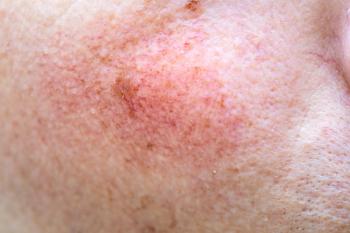
A recent review found the LDI shows significant symptom improvement, but needs further study for long-term maintenance.

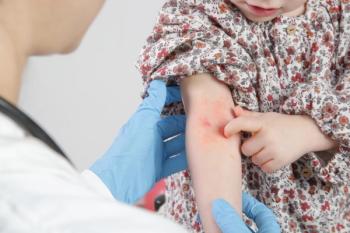
Dermatology Times spoke with Leah Howard, JD, of the NPF, and Trisha, the mother of a young girl with psoriasis, to discuss Otezla's implications in the therapeutic landscape.

The oral TYK2 inhibitor demonstrated biologic-level efficacy.

Keep up with the latest headlines in dermatology from the past week, including research into "zombie cells" in skin disorders, tartrazine's effects on skin transparency, and more.

In case you missed it, this week we had news about phase 2 initiation of EVO756 for chronic inducible urticaria, IBI363's Fast Track Designation for advanced melanoma, Arcutis' enrollment of the last patient in ARQ-255 trial for alopecia areata, and more.

A recent study investigated the acceptability, barriers, and facilitators associated with digital health tools.
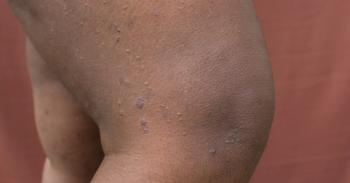
The JAK1 inhibitor provided significant relief for 2 patients with refractory PN.
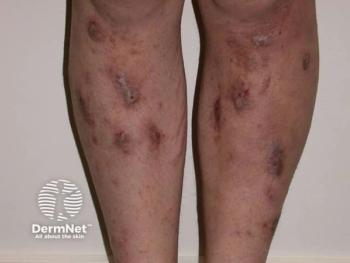
Researchers conducted a web-based survey to gain insights into current clinical practice for PN in Japan.

The study is actively recruiting participants at multiple sites across the US.

New research shows the 675-nm laser enhances skin texture and rejuvenation, making it a valuable tool for various dermatological conditions.

Citius' recently-approved Lymphir has been added to the National Comprehensive Cancer Network's Clinical Practice Guidelines in Oncology.

The data was presented at the European Society of Contact Dermatitis in Dresden, Germany, this week.
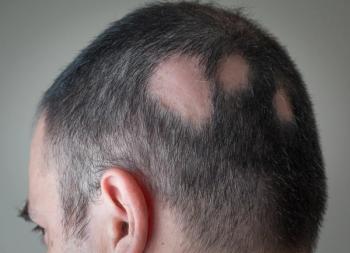
Arcutis' study of ARQ-255 aims to address the lack of FDA-approved topical treatments for alopecia areata, a condition affecting roughly 1 in 500 people.

The rates of discontinuation due to inefficacy or adverse events for biosimilars and originators of etanercept and adalimumab were similar, according to an analysis of a prospective registry.
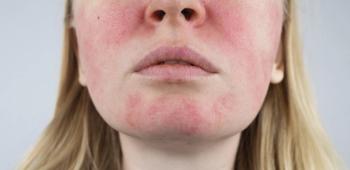
The study stated that enhancing patient education and psychological support can improve rosacea management and quality of life.

The study, published in Dermato, showed that 92% of NMSC tumors showed measurable changes in depth of invasion from one image to the next.

Although clinicians showed similar antibiotic prescribing rates, the study highlights a need for better adherence to HS treatment guidelines across all specialties.
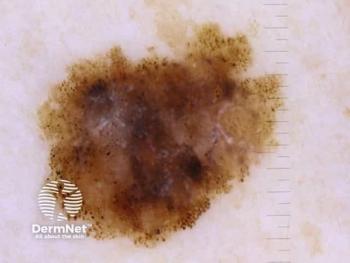
The PD-1/IL-2α bispecific antibody fusion protein is intended for patients with unresectable locally advanced or metastatic melanoma.