


The novel drug demonstrated tolerability for AK treatment when applied to a field of 100 cm2 of the face or scalp.
The novel drug demonstrated tolerability for AK treatment when applied to a field of 100 cm2 of the face or scalp.
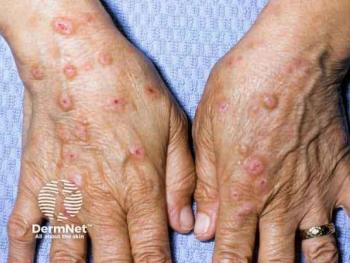
Significant reductions in itch scores and improved assessments of PN severity and quality of life were observed throughout the study.
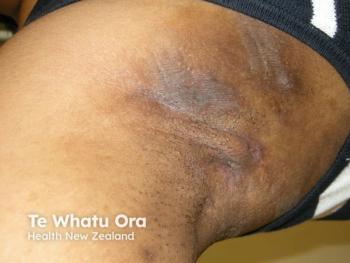
A recent review found clinical trials for HS lack diversity, limiting understanding of treatment efficacy for SOC populations.
Otulfi from Formycon and Fresenius Kabi was approved simultaneously in the US and the European Union. In the US, it will launch in February 2025.

Mease, the lead investigator on the trial, spoke about comparing varying mechanisms of action, primary and secondary endpoints, and how the results of BE BOLD could affect treatment choices.

Christopher Bunick, MD, PhD, reviews the latest findings on benzene in benzoyl peroxide, highlighting the importance of proper storage and patient safety.

The IL-17 inhibitor demonstrated biologic-level efficacy in moderate to severe plaque psoriasis.

AbbVie's Eczema Experience Pop-Up event recently provided attendees with immersive insights into the physical and psychosocial toll associated with eczema.

Experts shared pearls for acne and rosacea care at Maui Derm NP+PA Fall.

In this study, the highest infertility rate was seen in the patients living with hidradenitis suppurativa; however, no direct causality was seen for this, with the authors noting diseases and symptoms comprised the only factors with a statistically significant relationship to infertility.
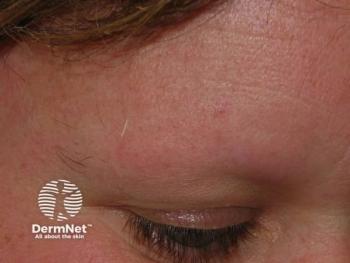
A recent review found hair loss can severely impact self-esteem and body image, leading to social anxiety and emotional distress among affected youth.

In a Dermatology Times Case-Based Roundtable event, Andrew Alexis, MD, MPH, FAAD, reviewed 3 cases of patients with vitiligo treated with ruxolitinib cream.

Over 70% of patients achieved clear or minimal skin by week 48, with a 90% retention rate in diverse patients with PsO.

Christopher Bunick, MD, PhD, and Raj Chovatiya, MD, PhD, discuss results of an open-label phase 3b/4 study for atopic dermatitis.
Melinda Gooderham, MSc, MD, FRCPC, emphasized the significance of the study’s results, showcasing stable laboratory parameters over a 12-week trial.
In a Dermatology Times Case-Based Roundtable event, Hilary Baldwin, MD, shared pearls for challenging acne cases.

This week’s collection of the latest dermatologic studies includes the potential association between hidradenitis suppurativa and infertility, refractory pediatric atopic dermatitis treated with dupilumab and abrocitinib, and omalizumab's efficacy in chronic inducible urticaria.
Light delves into the science behind the new peer-reviewed data assessing benzene presence and formation in benzoyl peroxide products.

Dermatology offers the power of choice, and it can be exactly what you make of it, writes our Fall Editor in Chief Raj Chovatiya, MD, PhD.

A poster presented at the EADV Congress revealed the drug's long-term efficacy in treating AD, particularly in the head and neck regions.

Join Dermatology Times in honoring World Mental Health Day on Oct 10, 2024.
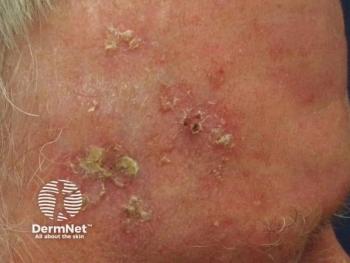
The expanded dosage aims to provide healthcare providers with greater flexibility in treating larger or multiple areas affected by AK.

Connect with peers, mentors, and potential collaborators at the fully accredited Elevate Derm PA NP Conference, from November 7-10, 2024.

New peer-reviewed research published in the Journal of Investigative Dermatology examined 111 products at room temperature.

Keep up with the latest headlines in dermatology from the past week, including anti-racism training for dermatology residents, the creation of artificial "smart skin," and more.

In case you missed it, this week we had news about bimekizumab's 2-year efficacy data in hidradenitis suppurativa, new long-term results for ESK-001 in psoriasis, late-breaking 40-week efficacy and safety data for povorcitinib for prurigo nodularis, and more.
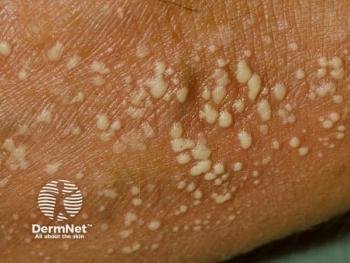
While researchers found both therapies effective in long-term use, they stated secukinumab showed quicker improvements in QoL.
Eric Simpson, MD, MCR, FAAD, lead author of a recently-published article highlighting roflumilast cream 0.15%, joined us for a Q+A interview.
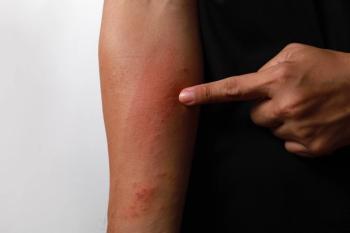
More than half of treatment responders maintained stable EASI ≤ 7, according to a poster from EADV.

A poster presented at EADV 2024 explored patient-reported outcomes from. the TRACE study for AD.