


Researchers assessed patterns of referral from a primary dermatological clinic in Japan.
Researchers assessed patterns of referral from a primary dermatological clinic in Japan.

Preliminary data suggests that the exosomes could effectively address common skin concerns, including firmness, photodamage, and fine lines.

Researchers stated the integration of wearable sensors with AI could potentially revolutionize care for patients with atopic dermatitis.

Qing Yu Christina Weng, MD, shares insights into the drug's advancement following preliminary phase 1 findings.

David Mandell, JD, MBA, stated in the quest to protect against malpractice liability, insurance is certainly the first and most important line of defense.

Health care professionals are recognizing the growing need for advanced technology in modern medical practice.
Keep up with the latest headlines in dermatology from the past week, including honoring the teenage inventor of a soap to treat skin cancer, the US FDA's approval of nemolizumab for prurigo nodularis, and more.

In case you missed it, this week we had news about the FDA approval of nemolizumab for prurigo nodularis, insights from AbbVie's Science of Skin event, new phase 3 data of izokibep for hidradenitis suppurativa, and more.
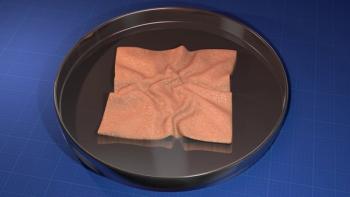
Explore recent research in in vitro complex skin models to study skin homeostasis, aging, and skin disease.
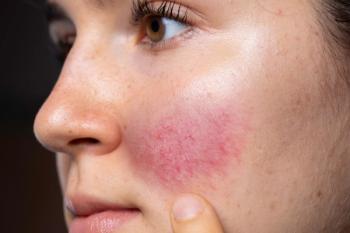
The study found that higher doses of BTX “significantly” improved facial erythema and patient quality of life compared to lower doses.
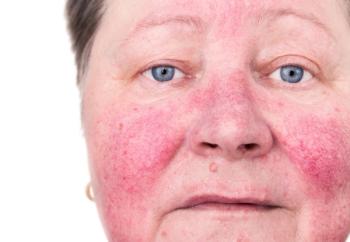
Mendelian randomization suggested a potential causal relationship between the 2 variables.

The use of microneedling, however, resulted in decreases in pigmentation and pruritus.

“This approval reflects our dedication to ensuring high-quality treatments are universally accessible,” Claire D’Abreu-Hayling, chief scientific officer of Sandoz, said in a news release.

Although EBDs provided improvements over controls, they did not match the sebum reduction levels achieved by isotretinoin or hormonal therapies.

Learn more about the OX40-OX40L pathway and 2 drugs heading toward phase 3 trials.
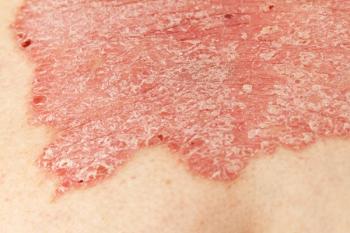
Patients showed significant improvements in skin severity, quality of life, blood pressure, and cardiovascular health, with enhanced psychological well-being.

Renata Block, MMS, PA-C, interviews fellow colleagues to discuss conference highlights, Psoriasis Awareness Month, community advocacy, and more.

Zoe Draelos, MD, presents vignettes based on common hair problems that patients face, with possible dermatologic solutions.

Since the first electronic medical record emerged in 1972, clinicians have found themselves increasingly trapped behind screens.

Omer Ibrahim, MD, discusses the nuances of aesthetic procedures for patients with skin of color and the importance of tailored treatments, safety, and improved clinician education.

Despite high accuracy scores, the study found AI models often produce overly complex explanations, making them less effective for patient education.

The new indication adds to existing clearances for hemostasis and electrocoagulation.

Myron Czuczman, MD, of Citius Pharmaceuticals recently shared perspectives on the role and potential of Lymphir in CTCL.
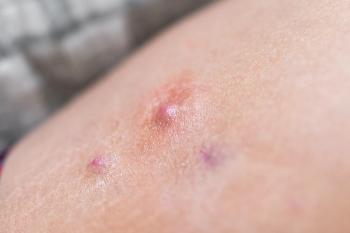
The trial revealed that 40% of patients on izokibep achieved HiSCR75 by week 16, a notable improvement over the 20% on placebo.

The overall reduction of tumor size in all lesions treated in part 2 was approximately 86%.

Researchers suggested that itch control is key in reducing disease burden and improving life quality for patients with psoriasis and atopic dermatitis.

John Browning, MD, FAAD, FAAP, MBA, discusses the new online platform that allows young patients to share their skin journey with others.

Brenda Kong-Tunac, a patient with PsO, PsA, and skin of color, shares her experiences.

The study found 277 differentially expressed genes shared by RA and rosacea, opening up opportunities for treatment research.

Kindred spoke with Dermatology Times to discuss AbbVie's recent Science of Skin event and improving access to equitable dermatological care.