

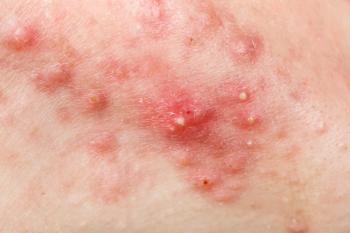
Almirall's sarecycline gains NMPA approval in China, offering a new oral treatment for moderate-to-severe acne, enhancing patient access and outcomes.
Almirall's sarecycline gains NMPA approval in China, offering a new oral treatment for moderate-to-severe acne, enhancing patient access and outcomes.

James Del Rosso, DO, discusses diagnosis and treatment of mastocytosis and inflammatory conditions.
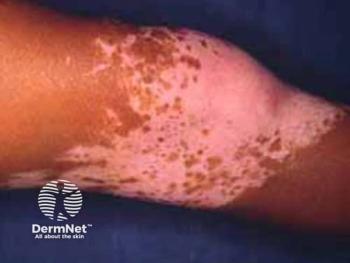
AbbVie seeks FDA and EMA approval for upadacitinib, a potential breakthrough systemic treatment for non-segmental vitiligo in adults and adolescents.
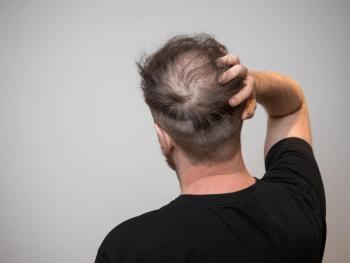
The new therapy targets age-related hair loss with a unique formula, promoting thicker, healthier hair for men over 50.

The new hub for dermatology NPs and PAs offers education, community, and resources to enhance patient care and professional growth.

Fractional CO₂ laser treatment effectively reduces acne scars in Middle Eastern patients, balancing safety and efficacy for darker skin types.
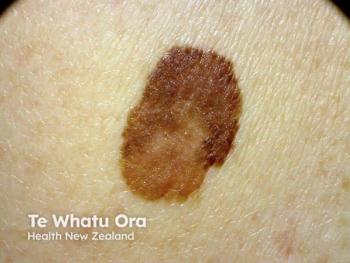
Patient education and partner involvement significantly enhance melanoma detection, especially in underserved and skin-of-color populations, improving survival outcomes.

Explore the long-term efficacy of biologics for HS, highlighting bimekizumab's superior outcomes in managing this chronic condition.

Galderma's relabotulinumtoxinA (Relfydess) aims to revolutionize wrinkle treatments with rapid results and lasting effects, pending FDA approval.
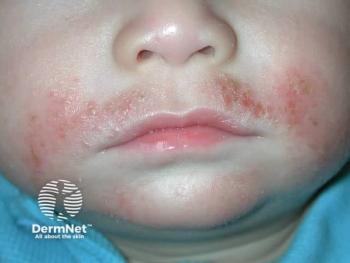
Arcutis reveals promising phase 2 results for roflumilast cream in infants with AD, highlighting safety and potential efficacy.

Explore top dermatology conferences and meetings in February 2026 and let us know which ones you'll be attending!

Put your dermatology expertise to the test with Dermatology Times’ interactive quiz series!

Explore the top headlines of the week, including insights on the latest clinical trials, therapeutic updates, and more.

In case you missed it, this week we had news on the FDA's breakthrough designation of litifilimab for CLE, data on bitopertin in EPP treatment, the role of icotrokinra in the psoriasis landscape, and more.

This week, we feature top articles from our sister publications on regulatory updates, clinical trial insights, and more.

Kyowa Kirin takes full control of rocatinlimab, aiming to address unmet needs in atopic dermatitis while ensuring continuity in clinical trials.

Dermatology Times is looking back on the top stories in dermatology from the month of January.
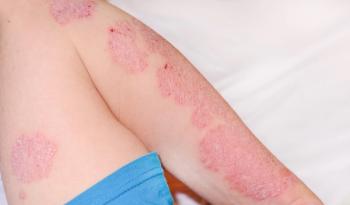
Icotrokinra emerges as a groundbreaking oral treatment for moderate-to-severe psoriasis, showing superior efficacy compared to existing therapies at Maui Derm 2026.

Jennelle Daly, PA-C, explores the integration of aesthetic dermatology and wellness, emphasizing holistic approaches for optimal skin health and patient outcomes.

Explore the top headlines of the month, including insights on regulatory updates, expert pearls, and more.

A phase 2 trial reveals soficitinib's potential to significantly improve symptoms and quality of life in patients with moderate to severe AD.

Galderma addresses menopause-related skin changes at IMCAS 2026, revealing survey insights and committing to inclusive clinical trials for better patient solutions.
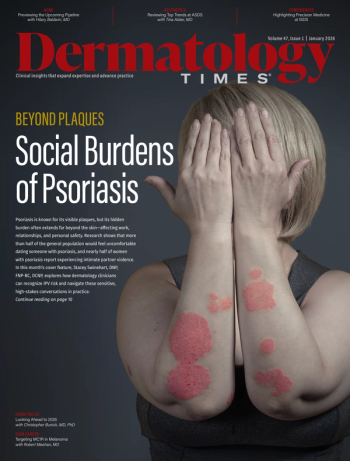
Learn more about the in-depth topics covered in the January 2026 print issue of Dermatology Times.

Galderma's Bill Andriopoulos, PhD, discusses Dysport's real-world success and evolving trends in aesthetic injectables, emphasizing patient satisfaction and innovative treatments.

Dermatology Times is recapping our exclusive expert interviews from the month of January.
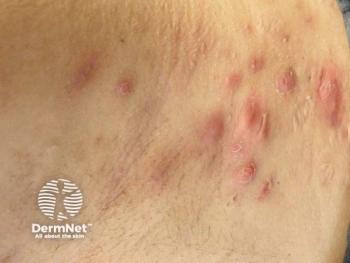
Explore the nuanced experiences of drainage in hidradenitis suppurativa (HS), revealing its profound physical and psychological impacts on patients' lives.

James Del Rosso, DO, discusses innovative therapies for chronic hand eczema (CHE), chronic spontaneous urticaria (CSU), and vitiligo.

Discover insights from Bill Andriopoulos, PhD, on Relfydess, a groundbreaking neuromodulator utilizing PEARL Technology for enhanced efficacy and safety.

Explore the importance of high-energy visible (HEV) blue light protection, especially post procedures, and discover effective patient strategies for managing melasma and skin health.

Explore the nuances of off-label dermatology therapies, emphasizing evidence-based practices, patient communication, and ethical considerations for optimal care.