

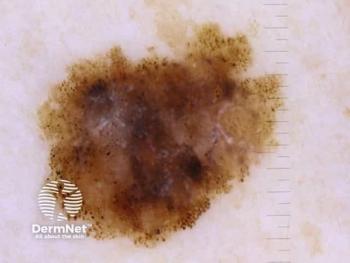
The PD-1/IL-2α bispecific antibody fusion protein is intended for patients with unresectable locally advanced or metastatic melanoma.
The PD-1/IL-2α bispecific antibody fusion protein is intended for patients with unresectable locally advanced or metastatic melanoma.

The TARGET-DERM registry longitudinal study highlighted the continued trend of the failure to escalate atopic dermatitis treatments when patients do not meet their therapeutic targets.

The review found that patients with PN are approximately 1.3 times more susceptible to depression and 1.9 times more likely to experience anxiety.

This week’s collection of the latest dermatologic studies includes the implementation of an action plan for patients with atopic dermatitis, early childhood eczema and the risk of allergic multicomorbidities, and more.
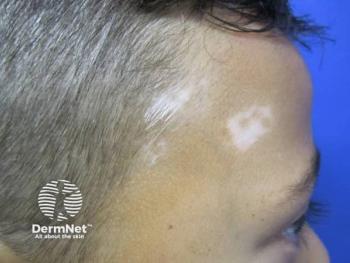
The study showed significant improvement in repigmentation with silymarin, with patients of different sexes benefiting equally, though monthly differences were not significant.

The phase 2 trial for EVO756, targeting mast cell-related CIndU, is now underway at 15 US study sites.

The 83-year-old patient was being treated for mycosis fungoides.

A recent study revealed a spectrum of photosensitivity in AD, with varying symptoms and sensitivities.

42 studies with 1027 cases evaluated drugs like bimatoprost and apremilast for vitiligo.

Dermatology Times asked our readers to share what conferences they are looking forward to in the third quarter of 2024.

Keep up with the latest headlines in dermatology from the past week, including new research into AI versus clinician detection of skin cancer, parasitic worms in wound healing, and more.

In case you missed it, this week we had news about the AHEAD atopic dermatitis treatment recommendations, positive long-term results for roflumilast cream 0.05% in pediatric patients, line-field optical coherence tomography for dermal fillers, and more.

Throughout the month of August, Dermatology Times covered psoriasis news related to Alumis Inc’s phase 3 trial of ESK-001 for plaque psoriasis, AbbVie’s Science of Skin event, and more.

Recent studies found that PRP therapy leads to noticeable decreases in hair shedding and increases in hair thickness.

Dermatology Times is looking back on the top stories in dermatology from the month of August.

Dermatology Times is recapping our top expert interviews from the month of August.

Researchers identified KLB and EIF3C as potential biomarkers for vitiligo and AA, offering new targets for early diagnosis and treatment.

Chronic hand eczema patients with high corticosteroid phobia are less likely to follow prescribed treatments, indicating a need for improved education.

Researchers observed significant improvements in roughness and redness in patients treated with the non-cross-linked compound.

At T0, skin layers appeared normal, and at T1, filler deposits were clearly visible as hyporeflective areas.

Learn more about the in-depth topics covered in the August 2024 print issue of Dermatology Times.
Learn more about the in-depth topics covered in the August 2024 supplement of Dermatology Times.
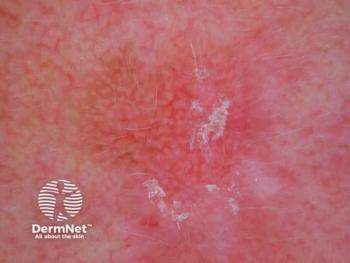
One hundred patients with AK rated their therapies with the TSQM and Likert scale, and shared their treatment needs regarding goals, cost, type, duration, and location.

A recent review highlighted how AI can be used to enhance diagnostic accuracy, consultations, treatment planning, and patient education.

By setting higher treatment goals, the AHEAD recommendations emphasize the importance of achieving optimal targets for both skin clearance and itch relief in atopic dermatitis.

Results from the study highlight that the therapy improves AD symptoms over time, with 71.9% of participants achieving substantial improvement.
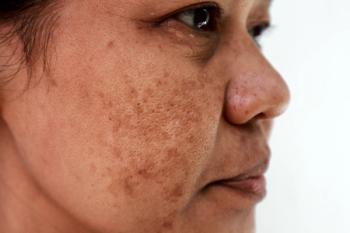
Researchers say further studies are needed to understand the effects of photoactivation, if any, in combination with PRP.

Earlier this summer, Meghan Heberton, MD, emphasized the importance and growth of the subspecialty.

The AHEAD recommendations focus on achieving disease control in atopic dermatitis by allowing patients to identify key symptoms and clinicians to select matching outcomes to guide therapy, aiming for a higher standard of care.

The study found that after 4 weeks of using the action plan, AD severity decreased markedly, with many patients achieving mild AD status.