


Hypothyroidism and Hashimoto's thyroiditis were found to significantly increase the risk of developing AA, unlike hyperthyroidism.
Hypothyroidism and Hashimoto's thyroiditis were found to significantly increase the risk of developing AA, unlike hyperthyroidism.

Jason Hawkes, MD, MS, emphasized the importance of biologic treatments transforming the management of both prurigo nodularis and atopic dermatitis.

A recent study indicated that 43.3% of lesions achieved a high efficacy score following Alexandrite laser therapy.
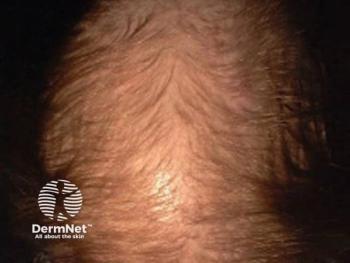
This expert review explores the multifaceted causes of female hair loss—hormonal imbalances, inflammation, nutrient deficiencies, aging, and oxidative stress—and explores non-pharmaceutical interventions.

A review examined how vitiligo treatments aim to restore melanocyte function through grafting, phototherapy, immune regulation, antioxidants, and stem cell research.

Researchers behind the review suggested that future research should prioritize large-scale trials to confirm abrocitinib's long-term safety and efficacy in various skin disorders.

Enhanced education can reduce uncertainty among both patients and providers, with pharmacists playing a key role as primary sources of patient information.
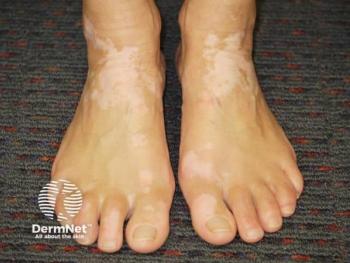
Researchers found that MBEHQ treatment increased oxidative stress and proinflammatory cytokines IL-1β and IL-18 in patients with vitiligo.

This marks the first head-to-head trial of an IL-17A/F inhibitor against an IL-23 inhibitor in psoriatic arthritis treatment.

Learn more about the in-depth topics covered in the September 2024 print issue of Dermatology Times.

Shawn Kwatra, MD, presented the Incyte data at EADV 2024.

The company plans to release full 52-week OLE data for ESK-001 in early 2025, building on positive interim results.

After releasing promising data from several clinical trials, Burnett discussed the importance of studying efficacy and safety across diverse populations.

Catch up on the latest news on vitiligo advancements in 2024.

Dermatology Times asked our readers to share what conferences they are looking forward to in the fourth quarter of 2024.

Gil Yosipovitch, MD, reviews differences including lesion appearance, cytokine pathways, treatment options, and more.
Nearly 44.2% of patients achieved HiSCR100, indicating a complete resolution of HS symptoms by the end of the 2-year period.

Dermatology Times is looking back on the top stories in dermatology from the month of September.
Dermatology Times is recapping our top expert interviews from the month of September.

Keep up with the latest headlines in dermatology from the past week, including regulatory updates for bimekizumab and roflumilast, semaglutide and HS, and more.

In case you missed it, this week we had news about bimekizumab's FDA approval for psoriatic arthritis, the acceptance of roflumilast foam's sNDA for scalp and body psoriasis, exclusive interviews from EADV 2024, and more.
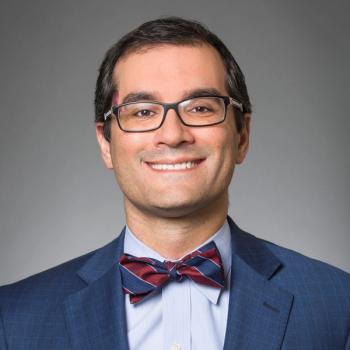
Arash Mostaghimi, MD, MPH, MPA, provides insights into what clinicians need to know about deuruxolitinib for severe AA.

Key highlights of the presentations included data on delgocitinib for atopic hand eczema, and tralokinumab for head and neck atopic dermatitis.
Gooderham reviews key highlights from EADV 2024 on the ADjoin long-term extension trial for patients with moderate to severe AD.

“It is critical that our clinical data represent the diversity in the world around us, and these results further reinforce our commitment to providing meaningful innovation for immune-mediated skin diseases," said Patrick Burnett, MD, PhD, FAAD, chief medical officer of Arcutis.
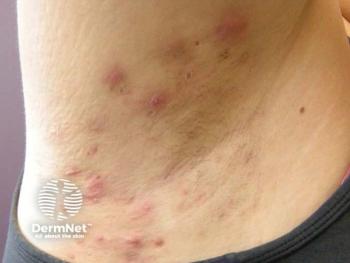
Researchers reported reductions in draining tunnels and total lesion counts.

Kilian Eyerich, MD, PhD, shares insights into an EADV 2024 presentation on upadacitinib’s ability to achieve almost total skin clearance in the head and neck regions with minimal effect on quality of life.
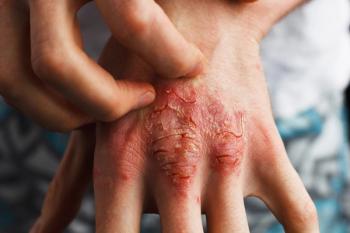
The findings stem from post-hoc analyses of previous trials, which found that 75.1% of patients reached PASI100 after 1 year on bimekizumab.
Through collaboration with Nimbus Therapeutics and Schrodinger, zasocitinib’s AI-driven design maximizes its fit within the targeted enzyme.

In addition to decreases in BMI, researchers also reported fewer HS flare ups.