

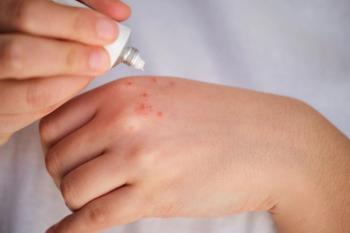
Clinicians presented a panel-style session at Fall Clinical, touching on the drawbacks of topical steroid use and alternatives in AD patients.
Clinicians presented a panel-style session at Fall Clinical, touching on the drawbacks of topical steroid use and alternatives in AD patients.
Del Rosso reviews numerous new and upcoming topical therapeutics and indications including ruxolitinib, tapinarof, and more.
Among the many sessions to be held at the Fall Clinical Dermatology Conference in Las Vegas, Nevada, several Dermatology Times Editorial Advisory Board members are preparing to share their knowledge and insights.

The conference will feature presentations on a number of disease states, therapeutic options, and new clinical data.

Share with us the topics you want to learn more about at Fall Clinical.
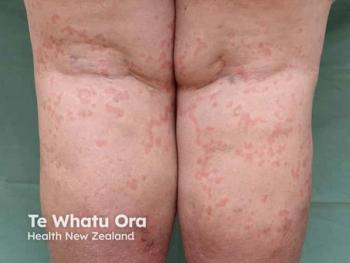
The late-breaking data will be presented at ACAAI’s annual Scientific Meeting.

Findings from 2 phase 3 trials indicate that ZORYVE cream significantly improves both clinical outcomes and quality of life in patients with mild to moderate atopic dermatitis.

The conference aimed at providing dermatology clinicians with the latest in the specialty begins today in Las Vegas, Nevada.

Survey results presented at ACAAI’s annual Scientific Meeting demonstrate the limited influence of elimination diets for reducing symptoms of AD.

The application of a clinically validated moisturizer before mask-wearing was shown to significantly improve skin barrier function and reduce irritation.
We want to know: Will you be attending the conference in Las Vegas later this week?

In a Dermatology Times Case-Based Roundtable event, Ted Lain, MD, MBA, FAAD, reviewed 2 cases of patients with vitiligo treated with ruxolitinib.
Christopher Bunick, MD, PhD, addresses common barriers in recognizing and treating chronic hand eczema and its significant impact on quality of life.

Understanding the varying tax aspects of S corporations and C corporations is an important first step in determining which structure will work best for your practice.

In a recent Dermatology Times DermView video series, “Advancing Care in Pediatric Plaque Psoriasis: Emerging Treatments and Management Strategies," Karan Lal, DO, and Helen Shin, MD, discuss pediatric psoriasis and its prevalence.

Researchers behind a recent study found that patients with liver disease had a significantly higher prevalence of chronic pruritus.

In a Dermatology Times Case-Based Roundtable event, Heather Woolery-Lloyd, MD, shared pearls for challenging acne cases.


Lal emphasizes the dual approach of combining medical and cosmetic dermatology to effectively address skin issues like hyperpigmentation.

Shi addresses one of the NEA's Eczema Awareness Month weekly themes, "Creative ways to manage your eczema."
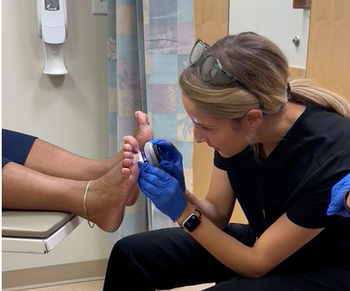
Whether you're a novice or a seasoned expert, there's always more to learn and refine, ensuring that dermatology continues to advance with precision and care.

A recent study revealed that patients with HS have a 23% prevalence of IA, emphasizing the need for routine screening in dermatologic practice.

Christophe Bourdon, CEO, discusses LEO Pharma's groundbreaking presentations at EADV, delgocitinib's US pending approval, and the company's commitment to addressing chronic hand eczema.

Lio addresses one of the NEA's Eczema Awareness Month weekly themes, "What is eczema?"

Song stressed the need for careful therapy selection in patients with comorbid conditions to avoid exacerbating health issues.

In case you missed it, this week we had news about delgocitinib's launch in Germany, the FDA clearance of Accure's laser system for long-term acne treatment, BE BOLD study highlights, and more.
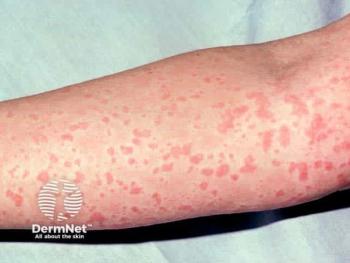
The multicenter trial reported high response rates and low risk of discontinuation for treating long-term chronic inducible urticaria.

Historically, research and clinical practice often have overlooked the distinct manifestations and treatment needs of patients with skin of color who have psoriasis.

This represents the second approval of Zoryve outside the US.

The case series found dupilumab led to improvements in skin condition and a reduction in bacterial infections for pediatric patients with Hyper-IgE syndrome.