







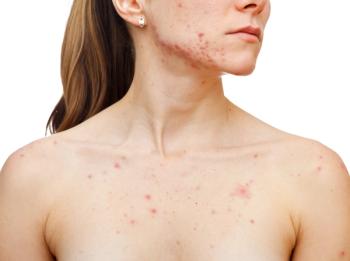
Phase 3 studies suggest new topical retinoid effectively treats facial and truncal acne.
Phase 3 studies suggest new topical retinoid effectively treats facial and truncal acne.

Cassiopea SpA submitted a New Drug Application (NDA) to the U.S. Federal Drug Administration (FDA) for its novel acne treatment, clascoterone cream 1%, according to a company announcement released today.
The U.S. Food and Drug Administration (FDA) accepted a new drug application (NDA) for Ortho Dermatologics’ novel tazarotene O.045% lotion (IDP-123) with a PDUFA action date of Dec. 22, 2019, according a recent announcement from the company.

There have been several shifts over time around beliefs in the association between diet and acne. Linda Stein Gold, M.D., discussed the recommendations of current guidelines at the summer meeting of the American Academy of Dermatology.

It’s no secret that antibiotics have been successful in controlling most acne cases, but the need to limit antibiotic use means acne treatment protocols are starting to shift. William James, M.D. emphasizes two alternatives dermatologists should turn to when treating patients with acne.

Traditional treatments remain important parts of the dermatologist's armamentarium for acne management, but other drugs have begun to play a role, too. Meanwhile, research is offering new insight into the causes of acne. Stay up to date on the latest insight into acne's pathogenesis, evaluation and treatment. Participate in this forum.

When it comes to dietary triggers for acne, the list of supposed villains is long. While absolute proof isn't currently reproducible, one expert says there are several foods that have shown a connection. Participate in this forum.

Study suggests rosacea may be outcome of systemic inflammation with evidence linking the condition to cardiovascular disease, inflammatory bowel disease, and even some neurological diseases.

Medications to treat acne take time to work and might not clear acne completely. To enhance outcomes from acne medications, this expert uses energy-based devices.
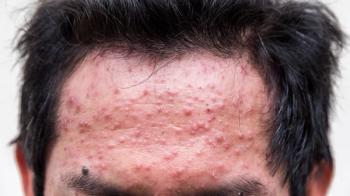
Treatment guidelines for mild, moderate and severe acne have evolved based on early and persistent inflammatory response in the development of acne.
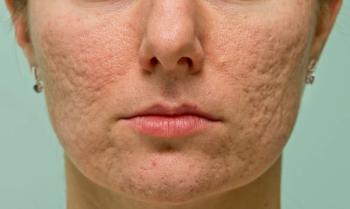
A recent study explores how early inflammation and histological changes are involved in acne scarring by comparing the molecular profiles of acne lesions in patients who are prone to scarring against lesions from patients who are not prone to scarring. Here’s what researchers found.

Acne mechanica usually occurs when skin is pressed against heavy clothing or bulky protective gear, but dermatologists recently discovered a case of the condition caused by friction between the inner thighs of an obese teenager.

Key developments among new and emerging treatments for acne and rosacea include a novel oral agent and a novel topical agent, as well as new formulations of existing products, says Diane S. Berson, M.D. in her presentation at AAD.

Curbing use of antibiotics to treat acne has been challenging despite updated guidelines supporting limited use and the growing problem of bacterial resistance. But things seem to be changing for the better, says Diane M. Thiboutot, M.D.

Scars caused by acne can be both physical and emotional. Helping patients get the care they need starts with recognizing and addressing psychosocial issues that can be caused by acne, says Jonette E. Keri, M.D., Ph.D.

Oral contraceptive pills and antiandrogen therapies may rival antibiotics for women with acne, according to research presented by Rachel V. Reynolds, M.D. at AAD earlier this month.
Deep phenol-croton oil peels still have a place among resurfacing techniques. However, more studies are needed to better define the clinical and the histologic outcomes of deep peels relative to other approaches.

A better understanding of the association between systemic antibiotics and the populations of bacteria in the skin microbiota may help clinicians better address related comorbidities.
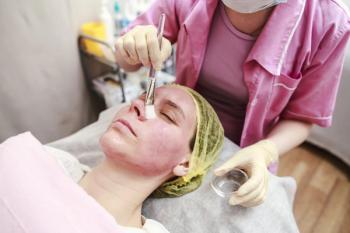
Superficial and medium depth peels could be effective treatment options for patients with mild to moderate acne, says a recent review.
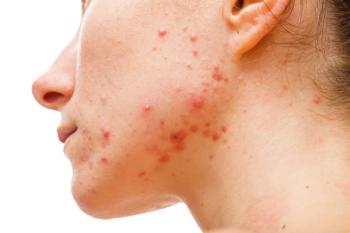
Patients with hidradenitis suppurativa have a high prevalence of acne vulgaris, according to the latest research.

Vyome Therapeutics Inc. announced in January that it secured $22 million in financing to, in part, support the development of its lead molecule, VB 1953, through phase two clinical trials for moderate to severe acne.
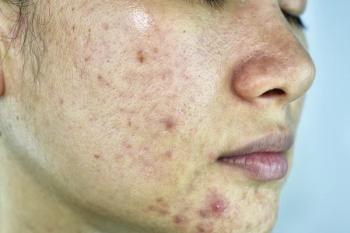
Combined plant-based therapy is more effective for treating mild-to-moderate acne than a synthetic antibiotic

Role of retinoids in acne set to be cemented further with advent of first fourth generation product.

Before 2018 comes to a close, we wanted to say thank you to our readers from everyone here at Dermatology Times. As a thank you, we have compiled a list of the topics and issues you found most compelling throughout the year. Enjoy this slideshow - and see you in 2019!
Oral and topical statins can be an effective addition to treatment for acne vulgaris when combined with standard treatment, suggests the results of a study published online in Current Clinical Pharmacology.