








Sun Dermatology is launching an acne awareness advertising campaign, Take on Acne, that focuses on the skin condition’s impact on teens and young adults’ quality of life.
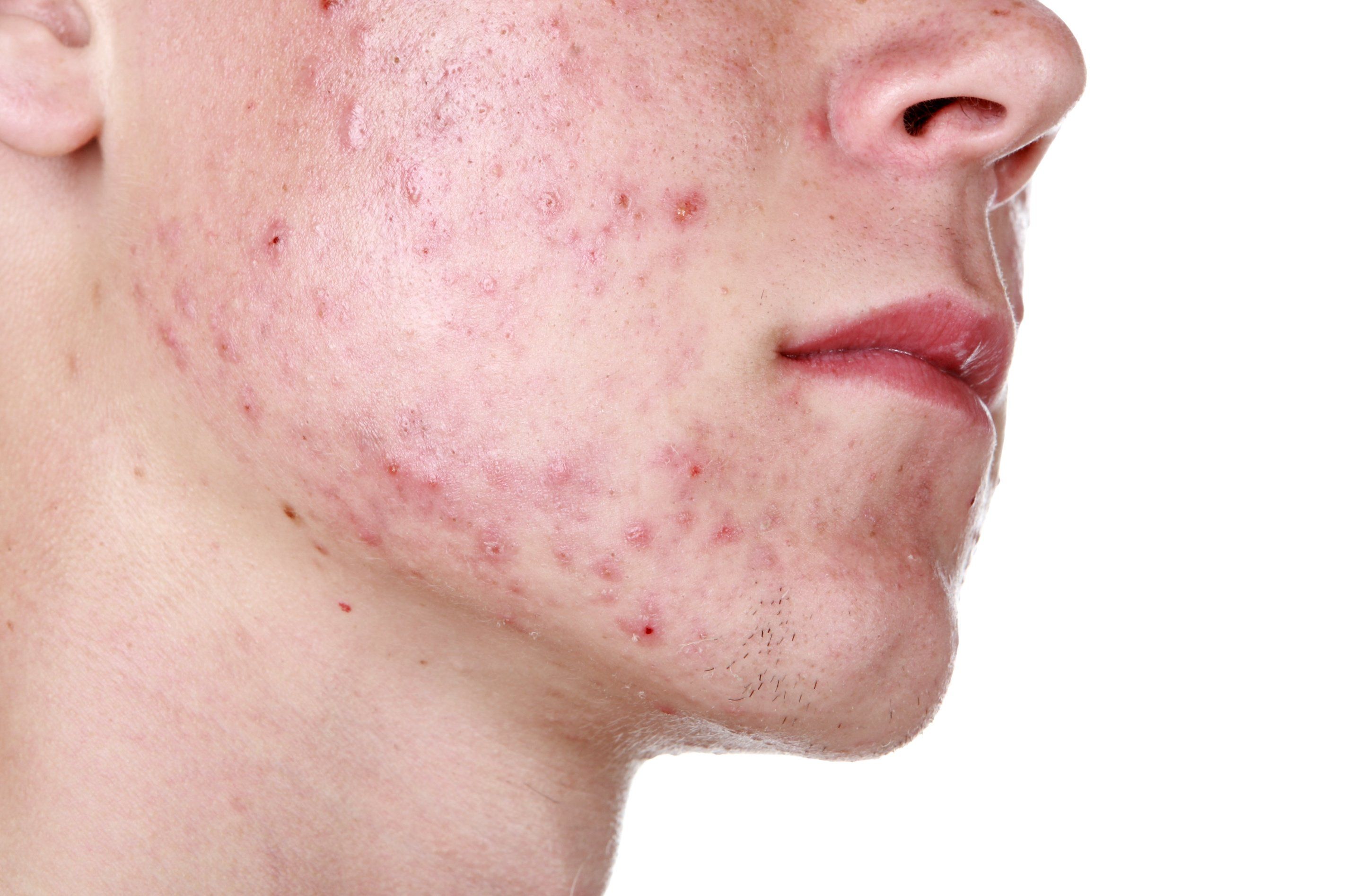
Sun Dermatology is launching an acne awareness advertising campaign, Take on Acne, that focuses on the skin condition’s impact on teens and young adults’ quality of life.

Sun Pharma introduces a lower dose isotretinoin capsule in the U.S. for the treatment of severe recalcitrant nodular acne.
A novel gel formulation combining tretinoin 0.04% and clindamycin 1% using a controlled release microsphere delivery system effectively treats acne vulgaris without the skin irritation associated with topical tretinoin alone, according to recent data.

Platelet-rich plasma (PRP) shows promise as an adjunctive treatment for atrophic acne scarring, but experts say more research is needed.

Sol-Gel announces updates to their drug pipeline and their goals for 2020, which include submitting multiple provisional patents and NDAs for the treatment of a variety of skin conditions.

In a skit depicting Carnac the Magnificent, Drs. Rosen and Bhatia presented on 2020's new drugs and technologies at the current Maui Derm for Dermatologists, all with a magical twist.
Recent phase 3 clinical trials reveal positive results for tazarotene lotion 0.045% in patients with moderate-to-severe acne.

Sol-Gel’s new investigational microencapsulated benzoyl peroxide and tretinoin combination cream, Twyneo, for the treatment of acne vulgaris shows promising results from recently released phase 3 data with both clinical trials meeting all primary endpoints.

Early results from the first patients treated for back acne with Nano-Pulse Stimulation in a controlled study show that use of this nonthermal energy modality is providing rapid and sustained clearance of inflammatory lesions, reported Mark Nestor, M.D., Ph.D., at the 2019 annual meeting of the American Society for Dermatologic Surgery.

Trifarotene may become the European Union’s first new retinoid molecule acne treatment for the face and trunk in 25 years following upcoming individual member state marketing approvals in 2020.
The choice of treatment for acne in adolescence may impact the risk of later scar formation when the condition persists into adulthood, shows a recent study.

Treating all acne early with a topical retinoid and an antibiotic can help patients avoid scarring and its psychosocial consequences, experts say. The aggressive approach also may help stave off medicolegal concerns, they add.

Studies support using microneedling as monotherapy to treat acne scars; however, mixed evidence requires more direct comparisons with other minimally invasive treatments.
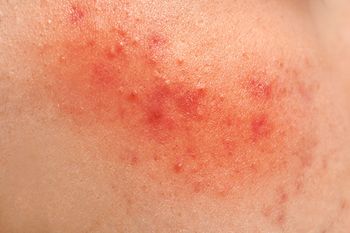
A 40mg doxycycline dose with a topical containing adapalene 0.3% and benzoyl peroxide 2.5% is an effective and safe treatment option for severe acne, according to a single-center pilot study published recently.

Adult female acne should be treated differently than teenage acne. There is a hormonal component at play rather than a bacterial pathogenesis that should be considered, one expert says.
Several retrospective analyses indicate spironolactone may have similar efficacy to oral antibiotics in the treatment of acne in women. Underuse of this off-label treatment option may be due to lack of efficacy evidence. The two options should be directly evaluated in future studies to guide practice.

To recognize Antibiotic Awareness Week, we’ve gathered articles on antibiotic use in acne, alternative therapies and treatment trends in the specialty. View the highlights in this slideshow.

Drug development in acne is currently focused on targeting inflammation and reworking the vehicles of existing active drugs to increase their efficacy and tolerability, according to this expert.

An extract of Nigella seeds within a topical gel formulation has shown positive results as a potential treatment for acne vulgaris, according to a recent study.
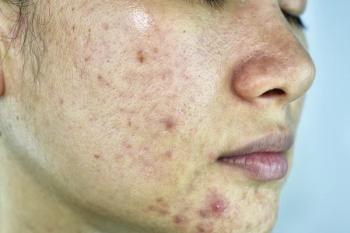
Being overweight may have a protective effect on whether adolescents develop acne, according to a new study of more than 600,400 Israeli youth.
Clascoterone 1% cream is in late stage development for acne treatment and in a higher strength solution for androgenetic alopecia. Read more about this novel treatment here.

Hilary Baldwin, M.D., discusses the nuances of adult female acne and its treatments in her presentation at the Fall Clinical Dermatology Conference in Las Vegas.

With 4 decades of dermatology advances, we asked the very dermatologist experts who we often contact to help us to report on the milestones to weigh in on what they think have made the most difference in theirs and their patients’ lives.
Acne patients are open to using effective antibiotic-free treatments if their prescriber offers them, says a recent study.
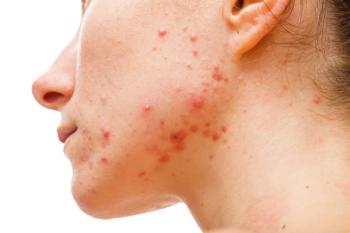
In this article, we highlight how sarecycline fits into the current treatment offerings for moderate-to-severe acne.