











More research has shown that females experience negative psychological impacts at a rate higher than males.
More research has shown that females experience negative psychological impacts at a rate higher than males.
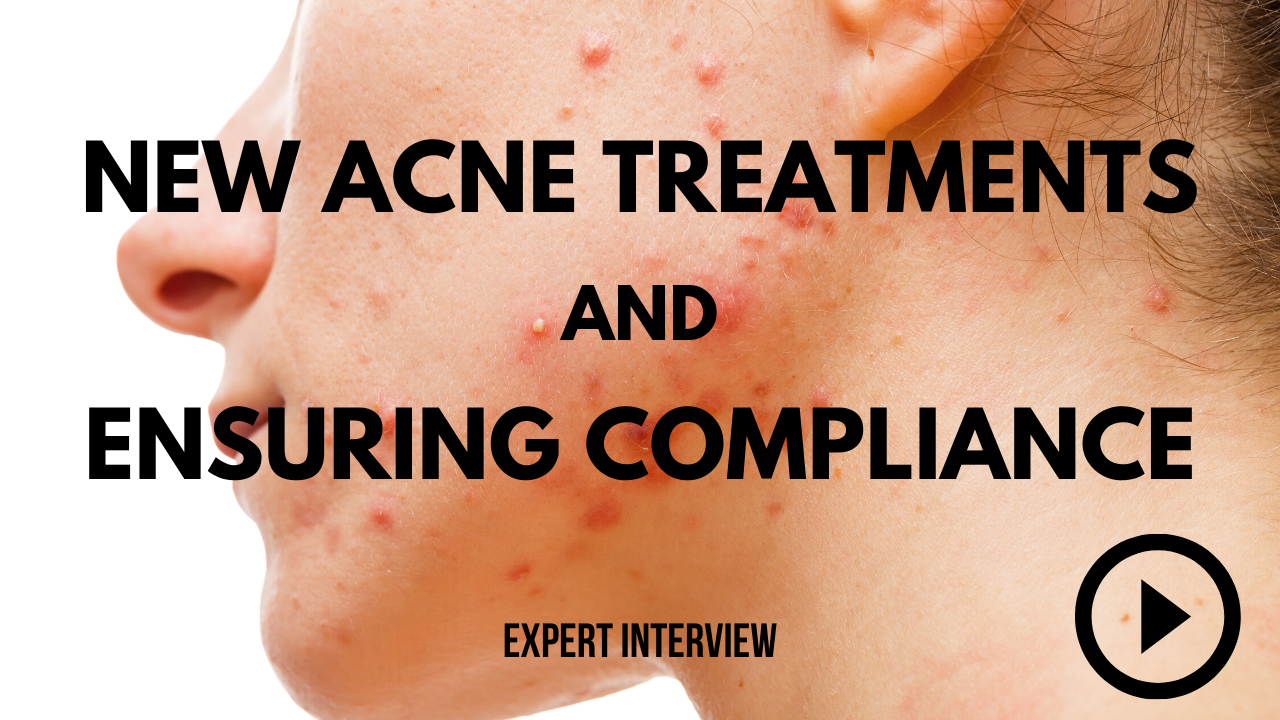
Data from trials show tazarotene 0.045% lotion is an effective treatment for moderate to severe facial acne and improves acne-related QOL in patients across BMI categories.
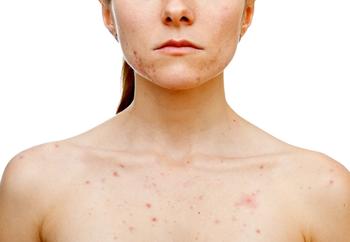
A presentation from Maui Derm Live 2021 featured insights on new drugs and data in acne.
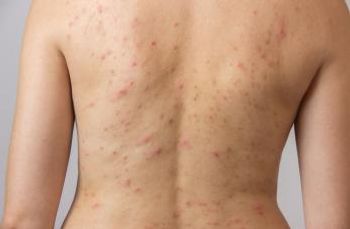
Recent observations highlight new treatment efficacy in women and skin of color patients with truncal acne.

Recently approved treatments for acne are focused on decreasing activity within the sebaceous gland.

Factoring in a patient’s genetic heritage when choosing an acne care regimen could improve adherence, according to survey results that identify race-related differences in preferred sources of information and treatments for acne.

In this video interview with Dermatology Times, one expert discusses how narrow-spectrum antibiotics can both protect the skin and gut microbiome, as well as effectively treat acne.
Watch one expert detail the benefits and limitations when using oral antibiotics for the treatment of acne.
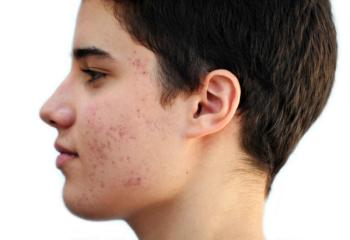
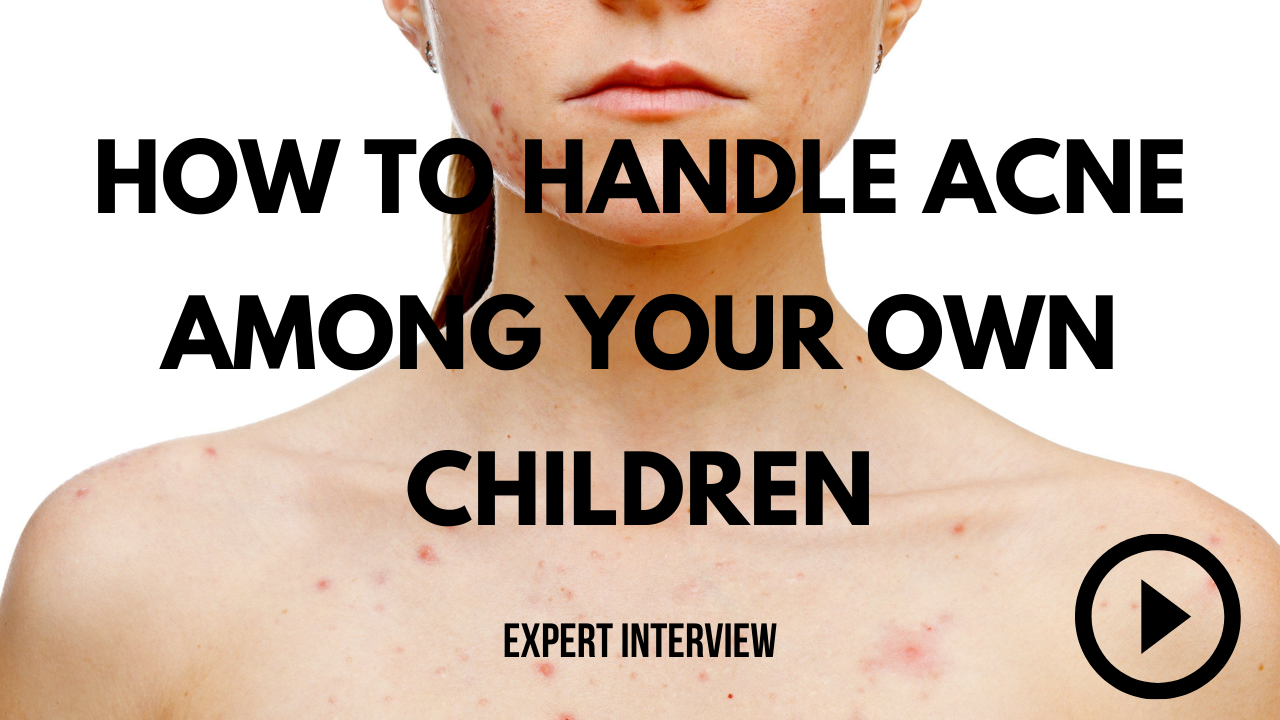
Treatment regimens for pediatric acne should consider skin type, ethnicity, disease severity and personal preferences, according to one expert.

Topical probiotics show promise in treating various skin diseases including acne, but more research is needed.
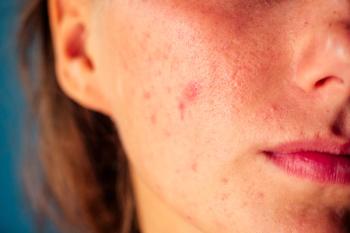
Acne research delineating molecular and cellular pathogenic pathways gives insight into new therapeutic targets. According to a recent review, biologics and other therapies that modulate scar formation and wound healing will have value for treating severe acne.
Topicals and oral antibiotics, as well as research on the skin microbiome, are paving the way for the future of acne treatment, according to a recent presentation at the 2020 ODAC Pre-Conference Inflammatory Diseases Symposium.
A recent paper suggests younger children with acne vulgaris should be treated the same as adolescents. This includes utilizing combination therapies that may consist of topic retinoids, benzoyl peroxide and other nonantibiotic agents in combination with antibiotics.
Patients with acne should be screened for vitamin D deficiency and insufficiency, according to researchers of a recent study investigating vitamin D's link to acne.

The potential for antibiotic resistance have caused some physicians to be wary of the drug class when prescribing an acne treatment regimen. Christopher Bunick, M.D., Ph.D., clears the air around antibiotic use for acne and discusses his research of narrow-spectrum antibiotics.
Quality of life could play role in assessing acne patient care. According to recent study’s results, researchers saw a four-to-five-fold QOL improvement versus baseline over a full treatment course of isotretinoin.
Perceptions of antibiotics and potential antibiotic resistance have caused some physicians to be wary of the drug class when prescribing an acne treatment regimen. However, narrow-spectrum antibiotics have shown a low propensity for development of antimicrobial resistance while also effectively treating acne.
The topical cream is the first acne drug with a new mechanism of action to win FDA approval in the last 40 years.
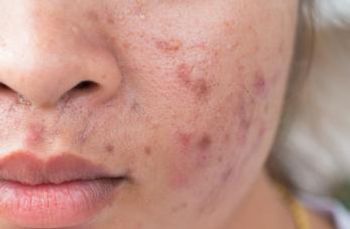
Spironolactone demonstrated notable safety and tolerability in females aged <21 years with refractory acne, according to a recent study from the Mayo Clinic.
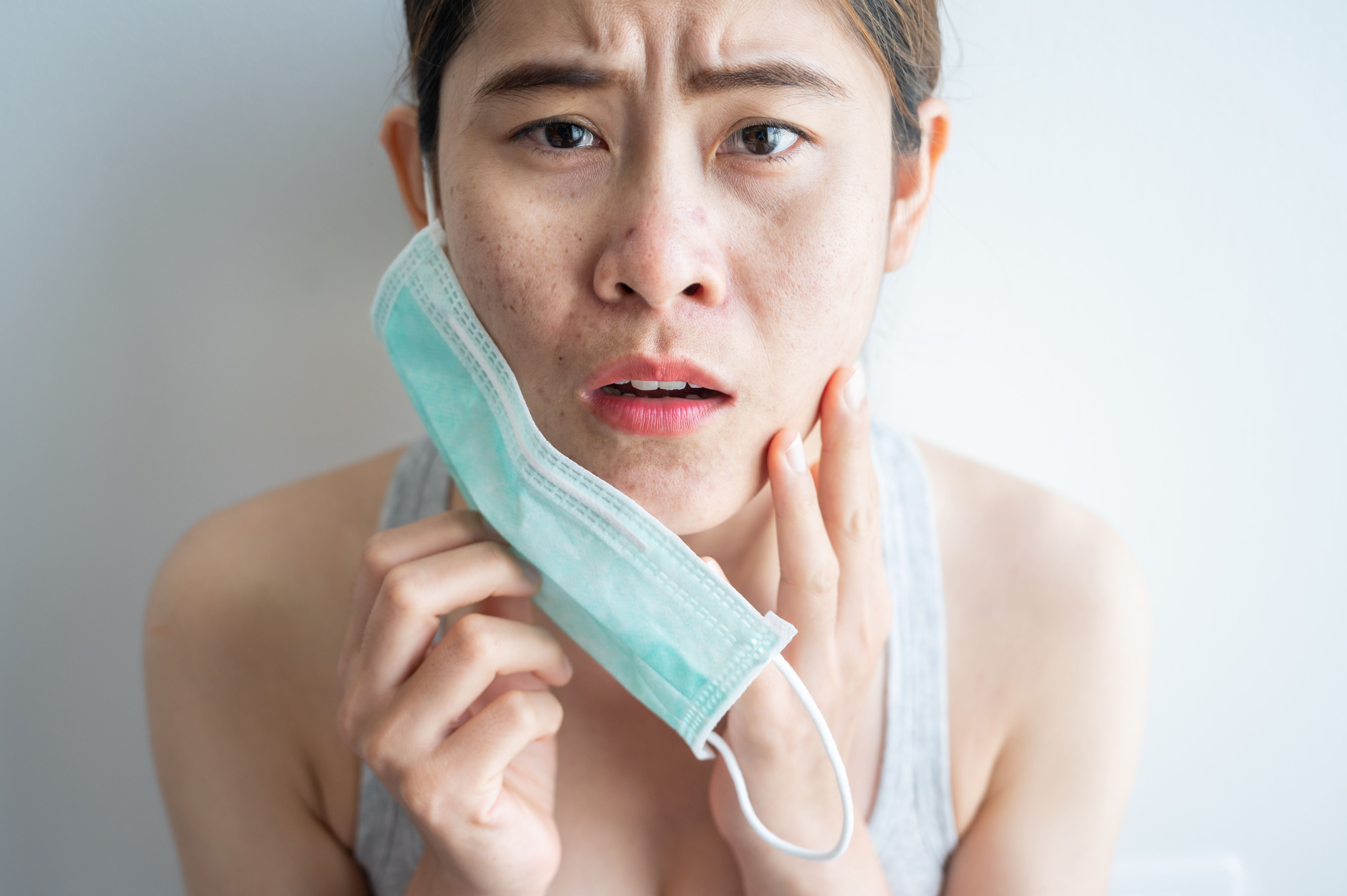
Amir Karam, M.D., facial plastic surgeon, San Diego, Calif., explains the rising incidences of acne associated with face mask usage, otherwise known as maskne, as well as tips for prevention and treatment.

Allison Truong, M.D., FAAD, provides some useful tips to help health care professionals on the frontlines of the COVID-19 pandemic combat mask irritation and acne.

With the rise in face mask usage, multiple types of masks have entered the market made of a variety of materials. Some, however, can lead to more skin irritation than others. Allison Truong, M.D., FAAD, provides some suggestions for the best type of mask to use and how to reduce skin irritation.

According to a recent review, supplements such as B6/B12, high-dose vitamins and whey protein have been linked to acne development. Study authors suggest physicians ask acne patients about their supplement use and educate them on potential side effects.
In this video interview, Allison Truong, M.D., FAAD, explains various measures that can be taken to prevent maskne, including pinpointing the root cause of the irritation.

Allison Truong, M.D., FAAD, provides some tips on how to treat mask-related acne, or otherwise known as ’maskne.’