




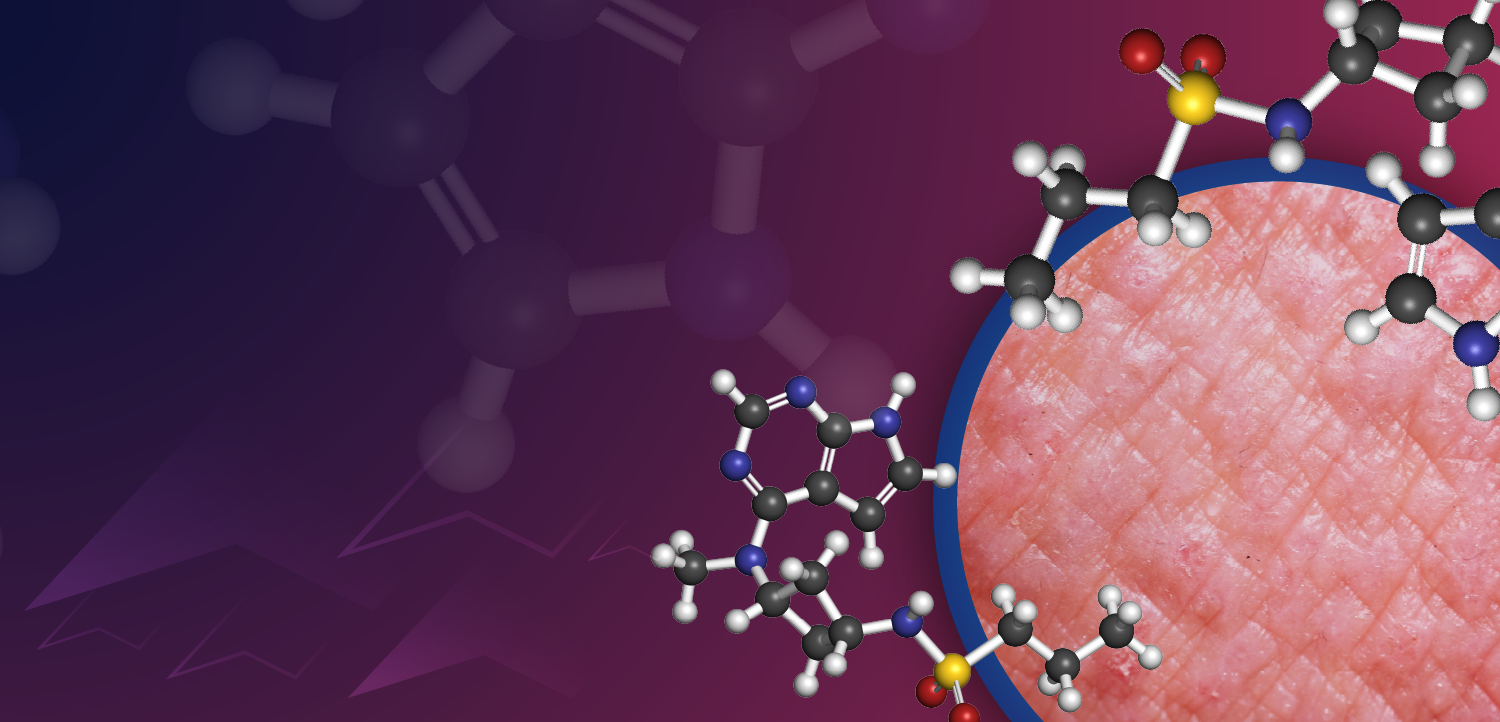

Many dermatologists use spironolactone as a treatment in conjunction with traditional therapies, birth control and other hormonal modalities to help with the hormonal component of acne in adult women.
Many dermatologists use spironolactone as a treatment in conjunction with traditional therapies, birth control and other hormonal modalities to help with the hormonal component of acne in adult women.
The clinical presentation of acne vulgaris in darker-skinned individuals differs in many ways from the white population, including some specific exacerbating factors that are due to cultural skin and hair-care practices.
The tetracycline-derived antibiotic sarecycline from Allergan plc and Paratek Pharmaceuticals Inc. for the treatment of moderate-to-severe acne has been found effective and safe, according to the results of two phase 3 trials.
This month, our clinical considerations include articles on the role of the microbe in acne, data around a topical agent to treat tinea pedis, and insights on sebum interacts with airborne pollution.
The difference between acne and healthy skin is largely dependent on the balance of the skin microbiota, according to study results.
Application of a topical photoparticle immediately before non-ablative 810 nm diode laser treatment for acne resulted in a statistically significant reduction from baseline in inflammatory acne counts on the back, according to a small feasibility study.
A new study finds that use of dual laser therapy alone in skin types V and VI achieves excellent results with an exceptional side-effect profile.
Hormonal therapies are an effective strategy to improve acne in women but some of these treatments, including birth control pills, are not commonly prescribed.
As part of its updated guidelines for the treatment of acne published early last year, the American Academy of Dermatology included new recommendations for the use of oral isotretinoin.
Dermatologists should turn to oral antibiotics for treating acne when topical medications have failed or are too irritating.
When it comes to choosing topical agents for treating acne, separating fact from fiction can be challenging for dermatologists.
Combination therapies are under used; the role of diet, while controversial, may be beneficial; and, cosmeceuticals may remedy mild-to-moderate acne. Read more on acne treatment guidelines.
Since its introduction, isotretinoin has been reported to cause psychiatric problems or irritable bowel disease. Because different studies over the past 35 years do not support these claims dermatologists should not hesitate to prescribe this medication for their acne patients.
One dermatologists describes her success with radiofreqency microneedling to treat acne and acne scarring.
Energy-based treatments can be used on their own or in conjunction with medical treatments to address chronic dermatological conditions like melasma, acne, and vitiligo.
Cumulative dosing of isotretinoin has followed a reference range of 120 to 150 mg/kg, but there is an absence of strong evidence supporting this recommendation, pointing to the need for clinicians to treat their patients to achieve clearance of acne rather than adhere to this range.
An expert goes over the pros and cons of some of the available OTC acne products.
An expert discusses which types of products tend to be more comdedogenic and acnegenic.
An expert discusses available types of facial foundations and their effect on the skin in regards to acne.
Pediatric atopic dermatitis and acne have some similarities when these present in skin of color and lighter-skin children. But there are important differences when these common skin conditions affect darker skin types. An expert discusses how treatments should be approached.
Dividing the pediatric population into three age groups helps streamline effective treatment for acne.
Evidence is mounting for the use of probiotics, prebiotics and microbial lysates in skincare. One expert examines the literature and shares observations.
Facial care advice for patients with acneWhile both benzoyl peroxide acne preparations and vitamin C products carry benefits in acne treatment, it’s wise to recall the characteristics of each element in advising patients on caring for their skin. Vitamin C is rapidly oxidized with exposure to air. Benzoyl peroxide is an oxidant. This is how Dr. Draelos suggests these products be used.
Data suggest photodynamic therapy with the investigational topical methyl aminolevulinate may be an effective treatment for patients with severe facial acne.
Results from three phase 3 trials, suggest ixekizumab (Talz, Eli Lilly & Company) is effective through 60 weeks of treatment among patients with moderate-to-severe plaque psoriasis.