
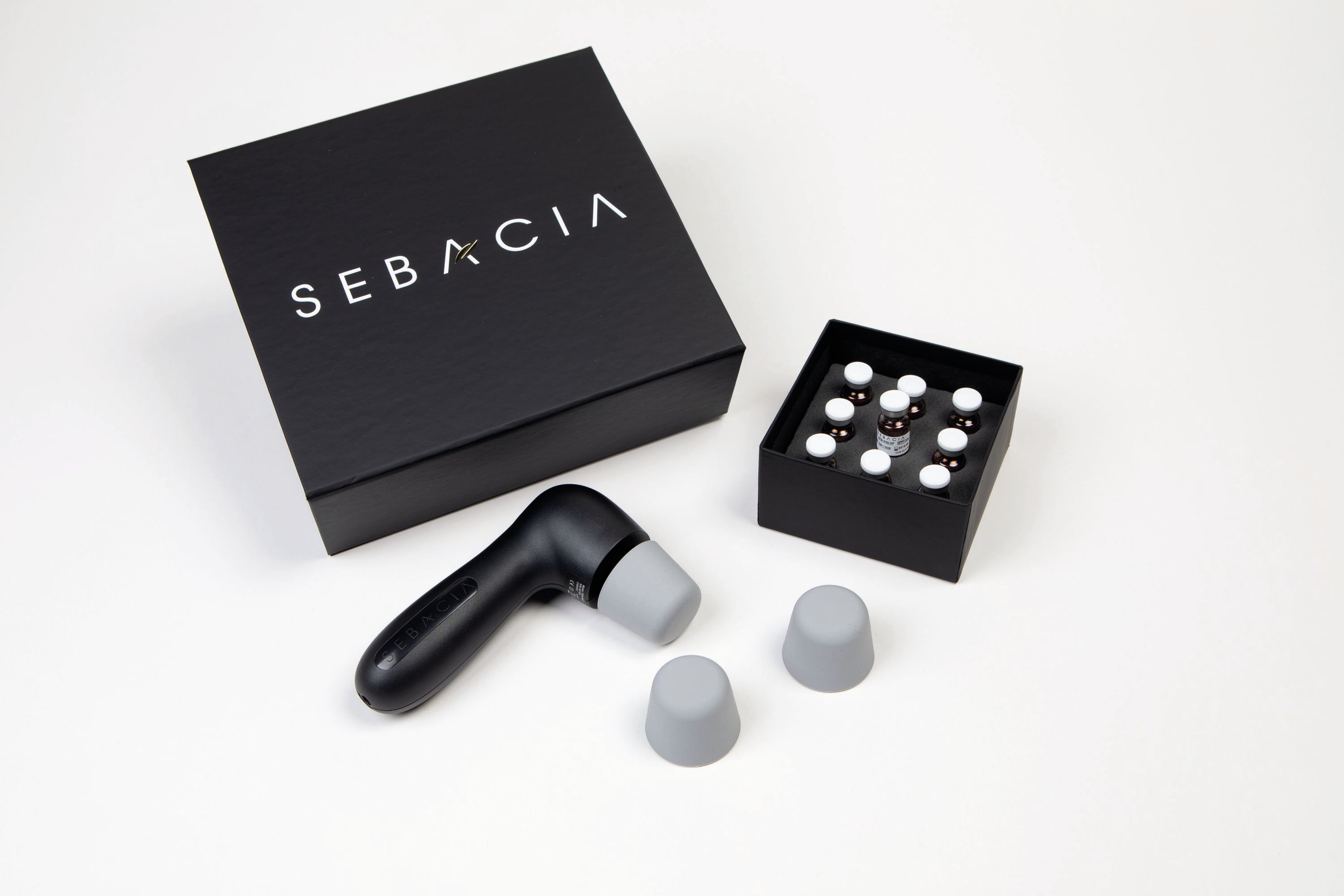


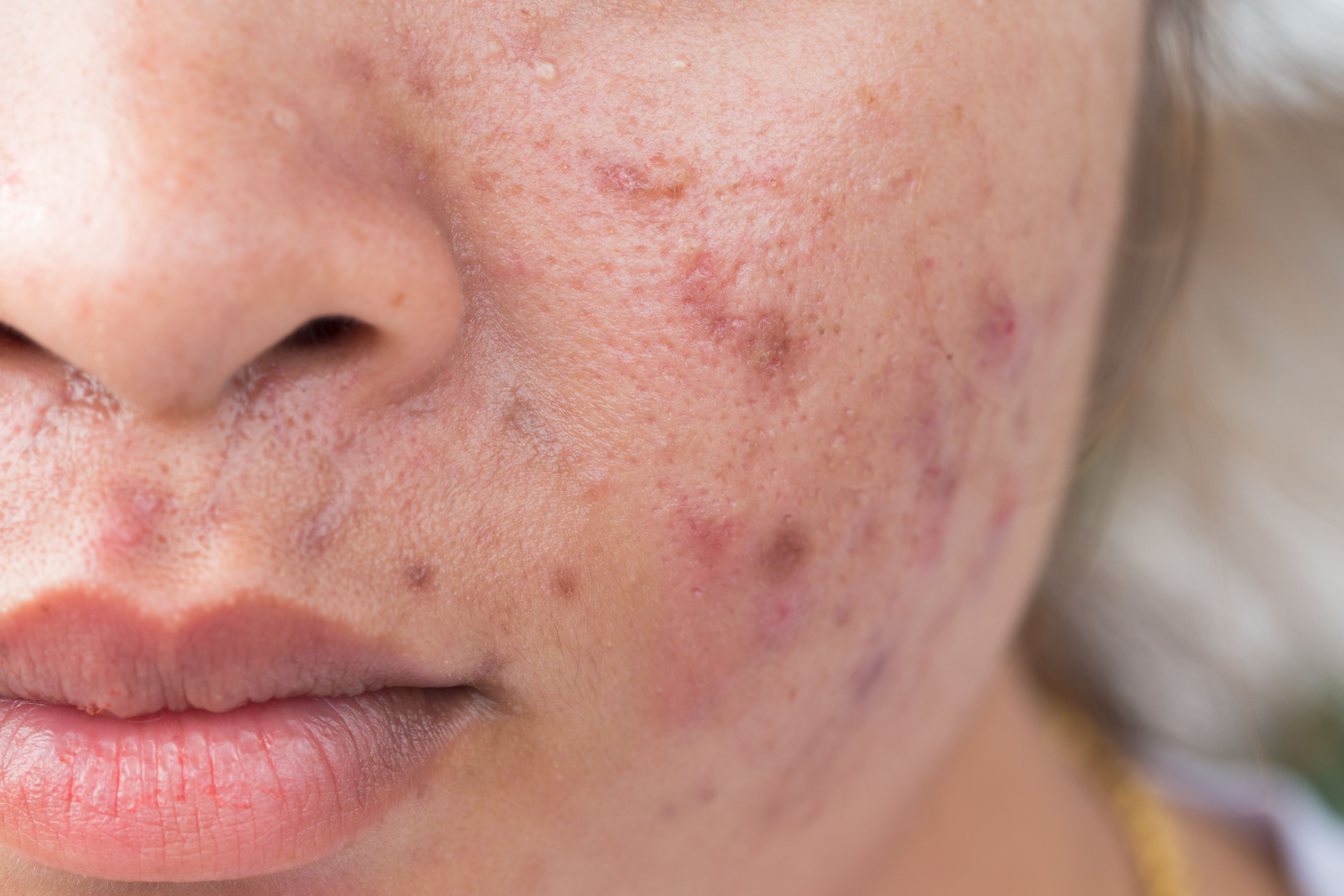








Long lauded for its ability to reduce the appearance of wrinkles, botulinum toxin is now being considered for reducing scarring.
Long lauded for its ability to reduce the appearance of wrinkles, botulinum toxin is now being considered for reducing scarring.

Approximately 40% of acne patients have scars - and scarring can occur in any severity of acne. Watch Dr. Joshua Zeichner discuss his approach to the treatment of acne for teens and young adults.

Intense pulsed light therapy is an effective treatment for severe acne in dark-skinned women, say researchers writing in the Journal of Clinical and Aesthetic Dermatology.

Combining metformin and oral contraceptives to treat polycystic ovarian syndrome has little impact on quality of life measures including acne, a study shows.

The FDA has approved Ortho Dermatologic’s new drug application for Altreno (tretinoin 0.05 percent) lotion for the treatment of acne vulgaris.

Kleresca's new biophotonic technology received CE mark of approval, which will allow it to expand in the U.S., Canada, Australia and throughout Europe.

Can clinicians working for Catholic health care organizations prescribe the birth control pill for acne? A recent article discusses the ethical and legal problems these clinicians face when patients request to be treated with oral contraceptives.
A low glycemic index and glycemic load diet decreases IGF-1 concentrations, a well-established risk factor in the pathogenesis of acne pathogenesis indicating that such diets have the potential to reduce the impact of acne, a study suggests.

Effective therapeutic protocols for acne scarring should consider the multifacted aspects of scarring, such as erythema (redness), signs of bacterial infection, signs of atrophic scars and whether the scars are generalized or individualized.

Dermatologists should consider using the diuretic drug spironolactone to treat acne in women instead of antibiotics, researchers report.
Study of 144 female students shows that stress may increase acne severity.
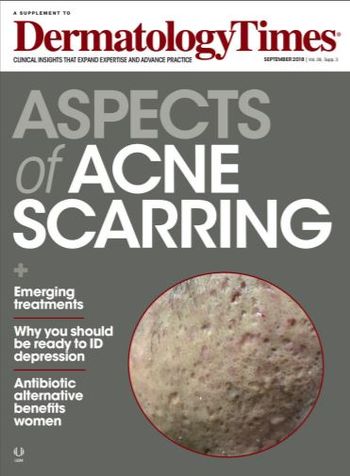
The September 2018 issue of Dermatology Times includes a special supplment on treating acne scarring. It highlights some of the latest advances in treating patients who suffer from this condition.
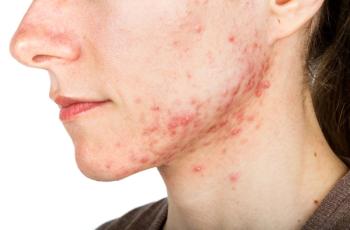
“As dermatologists, we are trained in managing acne. We can provide early and effective treatment that improves the physical and psychological effects. It is up to us to bridge the gap between those suffering from acne and their access to medical treatment."
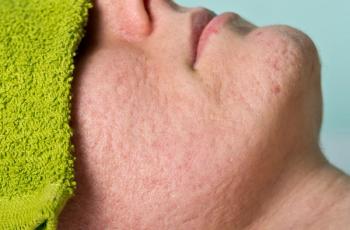
Researchers writing in the Journal of Clinical and Aesthetic Dermatology outline 10 treatments for acne scarring, plus possible future treatments.

Treatment may offer an alternative to topical retinoid treatments for acne scarring.

The intensity and duration of the inflammatory reaction in acne causes dermal damage and alteration of the sebaceous gland structure leading to atrophic scar formation, but not all patients are affected equally.

Superficial chemical peels have a relatively low complication rate in patients with darker skin types when performed appropriately, a study finds.

Years ago antibiotics were used to treat acne because it was thought that the condition was an infectious disease, says Dr. Hilary Baldwin of the Rutgers Robert Wood Johnson Medical School.

Review highlights the need to accurately diagnose this common bacterial infection.
Publishing new research findings certainly has its benefits, but how physicians use that information and their personal experience in clinical practice can prove to be more insightful. In this article, we feature three physicians who participated in the rapid-fire Q&A “60 Tips in 60 Minutes” from the Winter Clinical Dermatology Conference held in January in Hawaii.

Publishing new research findings has its benefits, but how physicians use that information and their personal experience in clinical practice can prove to be more insightful. In this table on page 98 of Dermatology Times June issue, we feature insights from three physicians who participated in the rapid-fire Q&A “60 Tips in 60 Minutes” from this year's Winter Clinical Dermatology Conference.

Acne may primarily be a genetic condition, but one that is compounded by environmental and social influences, shows a twins study published in the Journal of Drugs in Dermatology (JDD). This study is among a select group of studies featured in this month's acne supplement.
A recent acne study in identical and fraternal twins indicates the condition may be primarily caused by genetics, and that social and environmental factors influence acne symptom severity.
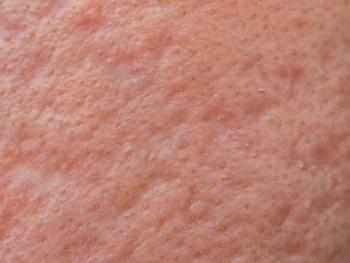

A recent small study finds that microneedling can improve acne scarring and the associated hyperpigmentation in patients with skin of color.