


At the 2024 SDPA Fall Conference, Tracey Vlahovic, DPM, highlighted the need for interdisciplinary collaboration in nail disorder management, underscoring the importance of mutual learning between podiatry and dermatology.
At the 2024 SDPA Fall Conference, Tracey Vlahovic, DPM, highlighted the need for interdisciplinary collaboration in nail disorder management, underscoring the importance of mutual learning between podiatry and dermatology.

Catch up on coverage from the second day of the 2024 Society of Dermatology Physician Associates Fall Conference in Las Vegas, Nevada.
At the 2024 SDPA Fall Conference, Sara Wilchowski, DMSc, MPAS, PA-C, highlighted the challenges and rewards of transitioning to industry roles, the impact of “Insta-Tok” on patient care, and the evolving landscape of dermatology.

Dermatology physician associates via DPAF conduct skin checks at the Sun Bus during the Fall Conference.

A poster presented at the 2024 SDPA Fall Conference demonstrated that clascoterone cream remains stable when paired with commonly prescribed acne topicals, supporting its role in multimodal therapy.
Michael Rubio, PA-C, previews the transformative programming and career-focused initiatives at this year’s Society of Dermatology Physician Associates Fall Conference in Las Vegas.

The target action date for the FDA decision is April 18, 2025.

Catch up on coverage from the first day of the 2024 Fall Society of Dermatology Physician Associates Conference in Las Vegas, Nevada.

Zirwas presented 2 sessions at SDPA on innovative care strategies for patients with AD and other itch-related diseases.

Share with us the topics you want to learn more about at SDPA Fall.

The Hidradenitis Suppurativa Foundation offers grants for HS research and clinical expertise, supporting early-stage to established investigators.

Block emphasized the importance of breakout sessions geared toward varying levels of experience—beginner, intermediate, and advanced.

Delgocitinib is indicated for adults with CHE who either do not respond to or cannot use topical corticosteroids.

The conference aimed at providing physician assistants with the latest in dermatology advancements begins today in Las Vegas, Nevada.
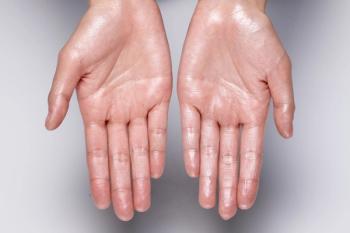
November is Hyperhidrosis Awareness Month - test your knowledge on the subject.
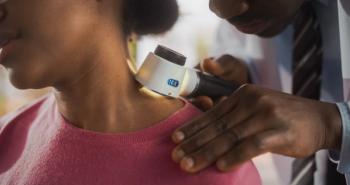
The study calls for improved diversity in clinical training materials to help future clinicians better recognize conditions on darker skin.

Join Dermatology Times in celebrating National Healthy Skin Month.

A study showed NB-UVB phototherapy effectively reduced prurigo nodularis symptoms, with 80% of patients achieving full response.
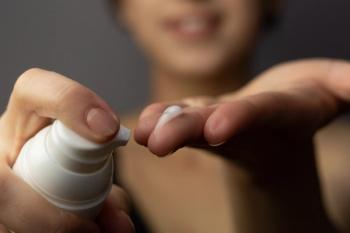
A 12-week regimen showed significant reductions in wrinkle severity and pigment improvement.

RAD will join MJH's multichannel model, enhancing its educational impact in atopic dermatitis, alopecia areata, vitiligo, and eczema.

Abeona's pz-cel has been granted a April 29, 2025, PDUFA date.

Murase discussed safe dermatologic treatments during lactation, especially for chronic conditions needing biologics.

Jamie Restivo, MPAS, PA-C, shares some insights from the 5th Annual Keystone Dermatology Conference held from October 17 to 19 in Philadelphia, Pennsylvania.
Murase identifies 4 main pregnancy dermatoses—atopic eruption, polymorphic eruption, extrahepatic cholestasis, and pemphigoid gestationis—as "baby bumps."

With the Affordable Care Act's uncertain future, many Americans are curious about Robert F. Kennedy Jr.'s potential role in the new administration.

David M. Pariser, MD, FACP, FAAD, secretary and a founding board member of the International Hyperhidrosis Society, discussed the latest in hyperhidrosis research and the organization’s commitment to helping clinicians treat the condition.
Catch up on coverage from the 2024 Elevate-Derm West Conference in Scottsdale, Arizona.

Catch up on coverage from the fourth and final day of the 2024 Elevate-Derm West Conference in Scottsdale, Arizona.

Discover top innovations, insights, and clinical pearls from Elevate-Derm in Scottsdale, where top insights for advanced practice providers took center stage.
At Elevate-Derm West, Murase shared promising results in treating severe itch with emerging therapies, offering hope for patients with few options.