


The submission to the FDA is supported by positive results from the ARRECTOR phase 3 trial.
The submission to the FDA is supported by positive results from the ARRECTOR phase 3 trial.

Explore various elements that can go into a comprehensive insurance benefits package for dermatology practice employees.

In a milestone year for Dermatology Times, our Editorial Advisory Board reflects on key career mentors.

Spherix Global Insights recently delved into the efficacy, patient quality of life, and symptom management of adalimumab vs secukinumab.

Oral dimethyl fumarate improved all disease classification criteria for plaque psoriasis, showing significant betterment of severity and quality of life.
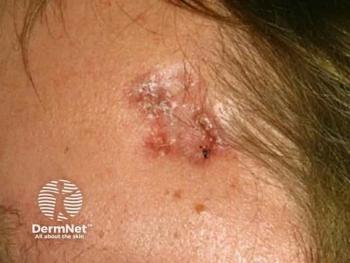
The guidelines for BCC and SCC treatment with IGSRT detail diagnosis, staging, contraindications, protocols, and emphasize the essential role of a multidisciplinary team.

Researchers examined the role of diabetes and glycemic profile in the risk of development of vitiligo in a Mendelian randomization study.

Robert Posnick, MD, hosted a Case-Based Roundtable discussion to review 2 challenging cases of atopic dermatitis involving hyperpigmentation and alopecia areata.
Keep up with the latest headlines in dermatology from the past week, including racial disparities in hidradenitis suppurativa, Stanford Medicine's new Skin of Color program, and more.

In case you missed it, this week we had news about Oleogel-10's potential in dressing changes for pediatric patients with epidermolysis bullosa, data for repigmentation with ruxolitinib cream, a review of pediatric cutaneous Crohn disease, and more.

Linda Stein Gold, MD, reviews data presented at SPD and elaborates on study design, methodology, and results.

The study saw a reduction of 2 major UVA-induced mtDNA deletions associated with skin photoaging.

A recent study found that pharmacy professionals had an increased level of capability, opportunity, and motivation after accessing the resource.

A recent case series reviewed the treatment patterns and effects of therapies on 89 pediatric patients with CCD.

Four APPs emphasized the vital role of advanced practice providers in improving patient care and expanding service access.
In a milestone year for Dermatology Times, our Editorial Advisory Board reflects on how patient interactions have changed over time.

Michelle Bolas and Rukiyah T. Van Dross-Anderson, PhD, discuss the significance of NCInnovations’ funding and the clinical impact of Van Dross-Anderson's research in patients with advanced melanoma.
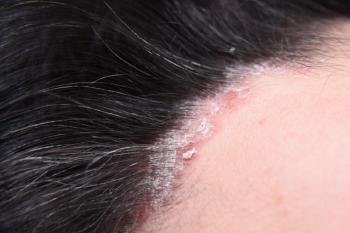
A recent study found that patients with genital psoriasis involvement are more likely to have involvement in other special body areas, such as the scalp.

Researchers said individuals with vitiligo should monitor for RA and SLE, as regular check-ups are essential for managing this risk.

Zoe Diana Draelos, MD, examines common questions and controversies regarding physiologic differences in skin between White, African American, and Hispanic individuals.

Diamant Thaçi, MD, PhD, shares insights on the data presented at the World Psoriasis & Psoriatic Arthritis (IFPA) Conference.
Researchers behind the latest benzene studies found no increased cancer risk with use of products containing benzoyl peroxide.

The increasing prevalence of this chronic condition in children necessitates understanding its broader impacts and management strategies.

This week’s collection of the latest dermatologic studies includes drug-induced epidermal necrolysis in pediatric patients, predicting relapse in chronic spontaneous urticaria, fatigue in patients with psoriasis and psoriatic arthritis, and the role of eosinophils in hidradenitis suppurativa.

Ben Lockshin, MD, FAAD, shared his insights on the latest advancements in oral options for psoriasis therapies.
Adhering to a Mediterranean diet and incorporating omega-3 supplements led to noticeable improvements in acne severity, reducing both inflammatory and non-inflammatory lesions in patients.

David Rosmarin, MD, shared his insights on the study in a Q&A with Dermatology Times.
Mona Shahriari, MD, hosted a Case-Based Roundtable discussion to review 2 challenging cases of atopic dermatitis in patients with skin of color.

Jenny Murase, MD, and Elizabeth Kiracofe, MD, highlighted key clinical considerations to optimize atopic dermatitis care for patients during pregnancy, prepregnancy, postpartum, and breastfeeding.

Rick Guidotti, fashion photographer turned patient advocate, discusses reframing beauty through his nonprofit Positive Exposure.