


Catch up on exclusive interviews with Christopher Bunick, MD, PhD; Raj Chovatiya, MD, PhD; and Alexander Egeberg, MD, PhD, from quarter 4 dermatologic conferences.
Catch up on exclusive interviews with Christopher Bunick, MD, PhD; Raj Chovatiya, MD, PhD; and Alexander Egeberg, MD, PhD, from quarter 4 dermatologic conferences.

Karan Lal, DO; Lisa Swanson, MD; James Song, MD; Andrew Alexis, MD, MPH; and Lawrence Eichenfield, MD, discussed the complexities of vitiligo care and the potential of innovative topical therapies.

Take a look back at this year's newly FDA-approved dermatology devices and drugs.

Topical treatments with plant extracts improved skin hydration and elasticity while reducing melanin and erythema.

Nemolizumab is intended for use in combination with topical corticosteroids and/or calcineurin inhibitors in this indication.

The approval is based on positive data stemming from the ADORING clinical trial program.

Michael Lewitt, MD, FAAD, highlighted the importance of personalized care, the decision-making process in psoriasis treatment, and the role of patient education.

The supplemental New Drug Application is supported by positive results from the INTEGUMENT-PED and INTEGUMENT-OLE trials.

Click here to answer today's poll and read more about practice management around the holiday season.

Join Dermatology Times’ quarterly editor in chief Aaron Farberg, MD, as he highlights significant advancements in gene expression profile testing for cutaneous melanoma.

In case you missed it, this week we had news about the 308 nm excimer light and 2940 erbium laser for vitiligo, the new Diamond technique for the neck and décolleté, potential risk factors for developing CHE in China, and more.

Join Dermatology Times’ quarterly editor in chief Raj Chovatiya, MD, PhD, MSCI, as he reviews key updates in atopic dermatitis.

Join Dermatology Times’ quarterly editor in chief Christopher Bunick, MD, PhD, as he discusses transformative advances in psoriasis care.
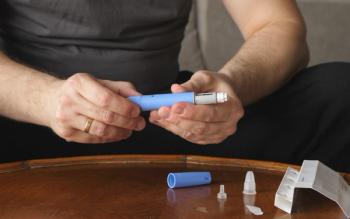
A recent review recognized the aesthetic concerns associated with GLP-1-induced weight loss and noted treatment options for various challenges.

Frequencies of 1/3/10 MHz and 3/10/19 MHz provided pain-free, well-tolerated, and long-lasting results.

Join Dermatology Times’ quarterly editor in chief Shanna Miranti, MPAS, PA-C, in a look back at acne milestones in 2024 such as topical clindamycin, adapalene, and benzoyl peroxide gel (Cabtreo).

Swanson and Lockshin explored how PDE4 inhibitors improve quality of life for AD patients through targeted treatments that address both inflammation and chronic symptoms.

The adalimumab biosimilar had an average persistence of 2.5 years, according to this British study.

Researchers emphasized the need for future studies to refine protocols and address economic barriers to combination therapy.

In Middle Eastern communities specifically, patients with higher disease severity and duration are predicted to have poorer psychological outcomes.
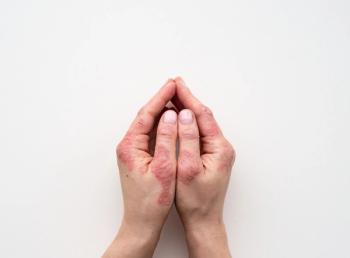
The study found that those who worked with wet hands and had chapped skin had a higher severity of chronic hand eczema.
2024 saw significant progress in vitiligo treatments, including novel drugs, off-label uses, and updated pediatric guidelines for better outcomes.

Discover 2024 skin cancer breakthroughs, including FDA approvals, innovative therapies, and updated clinical guidelines for melanoma and nonmelanoma care.

Although further trials are needed, this multidimensional, minimally invasive approach showed positive results in 4 patients.

Researchers found two-thirds of patients reported no impact of psoriasis on their quality of life after 52 weeks of treatment with deucravacitinib.

The effect of insurance status on US patients with psoriasis can help identify those at risk of being undertreated.

Fall Editor in Chief Raj Chovatiya, MD, PhD, MSCI, celebrates the joy of diverse traditions and reflects on the path to equity in dermatology as we move toward a brighter 2025.

Researchers noted higher correlations in those who are prone to severe acne and post acne erythema (PAE).
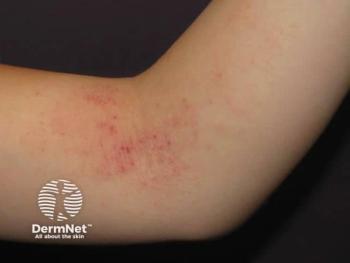
The review found AD can disrupt family life, as caregiving responsibilities can lead to stress, guilt, and reduced opportunities for shared activities.

Review some of the top highlights shared at physician assistant and nurse practitioner dermatology meetings in 2024.