


As 2024 comes to a close, Dermatology Times is taking a look back at the studies, therapies, and advances in vitiligo this year.
As 2024 comes to a close, Dermatology Times is taking a look back at the studies, therapies, and advances in vitiligo this year.
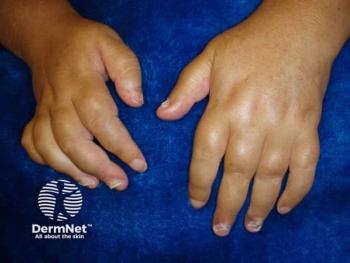
Deucravacitinib achieved ACR20 response in patients with PsA at week 16, with a safety profile consistent with previous studies.
Dermatology Times is looking back on the top dermatology news headlines from 2024.
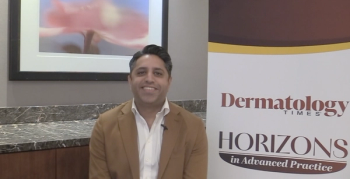
At the inaugural Horizons in Advanced Practice meeting, Dr. Noor highlighted the value of amplifying the voices of physician assistants and nurse practitioners to advance patient care.

Hidradenitis suppurativa requires clinical vigilance, empathy, and the courage to escalate therapy early.

As 2024 comes to a close, Dermatology Times is taking a look back at the studies, therapies, and advances in prurigo nodularis this year.

Dermatology Times is looking back on the top stories in dermatology that involve strides in skin health equity: addressing disparities for skin of color, women, LGBTQ+ patients, and improving care access.

These promising results align with what was discovered in the single-ascending dose portion of the trial earlier this year.

As 2024 comes to a close, Dermatology Times is taking a look back at the studies, therapies, and advances in rosacea this year.

Messina, senior VP of Aesthetics R&D at Allergan Aesthetics, highlights key trends shaping the aesthetic medicine landscape in 2025.

As 2024 comes to a close, Dermatology Times is taking a look back at the studies, treatment, and advances in chronic hand eczema this year.

In case you missed it, this week we had news about tapinarof’s FDA approval in AD patients 2 and older, new ICD-10 codes for CCCA and FFA, a phase 2 study of INF904, and more.

Renata Block, MMS, PA-C; Ted Lain, MD, MBA, FAAD; Zoe Diana Draelos, MD; and Cheri Frey, MD, FAAD, bust common skin care myths in a Dermatology Times custom video series.

Dermatology Times is looking back on the top stories in dermatology from the month of December.

The company stated INF904 disrupts inflammatory pathways with over 90% effectiveness, based on Phase 1 data.
Trust and transparency are key in physician wealth management, according to David Mandell, JD, MBA.

Dermatology Times is recapping our top expert interviews from the month of December.

Follow-up phase 3 data showed BF-200 ALA to be a safe and effective therapy for AK, when compared to placebo.

Experts in the field shared insights with Dermatology Times on what they found most innovative, educational, and helpful in the past year.

The "whole body" study at Northwestern will be lead by Amy Paller, MD, begins soon.

In this month’s Cosmetic Conundrums column, learn how radiant, luminous skin can be achieved with cosmeceuticals.

With the right strategies and a clear vision, retirement can unfold as a rewarding chapter.

Itisha S. Jefferson, a patient advocate and medical student, discusses the significance of new ICD-10 codes for CCCA and FFA, improving diagnosis and care.

The new research identified notable improvements in disease severity, sweat reduction, and quality of life for patients treated with sofpironium.
Hawkes shared his excitement for the near future of dermatology, recognizing the increasing ability to provide tailored care to patients.

Experts highlight the versatility and patient-centered approach of PDT with red light, emphasizing its effectiveness for AK, skin rejuvenation, and superficial cancers.

Experts discussed the challenges of managing GPP and highlight a pivotal study on the subcutaneous formulation of spesolimab, demonstrating its potential to prevent GPP flares and improve patient outcomes despite some limitations.

In a meta-analysis of over 61 million participants, it was found that AD patients have a 37% risk of developing IBD and similar conditions.
The latest publication from OJM Group provides 7 core strategies for dermatologists looking to meet their financial goals.

Jackson discusses EVO756, a promising MRGPRX2 antagonist targeting mast cells to treat chronic inflammatory diseases like spontaneous urticaria.