

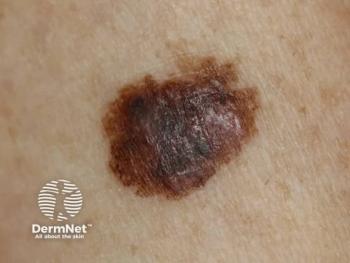
Stage IV melanoma survivors face persistent adverse effects and distress, highlighting the need for targeted psychological support and care.
Marie Bosslett is the assistant editor of Dermatology Times® and joined the MJH Life Sciences team in October 2024. She attended Loyola University Maryland in Baltimore and earned a Bachelor of Arts in Communication with minors in marketing and writing. When she’s not writing, Marie enjoys going to concerts, reading on the beach, and spending time with friends and family.
Stage IV melanoma survivors face persistent adverse effects and distress, highlighting the need for targeted psychological support and care.

A study reveals that combining botulinum toxin A and hyaluronic acid significantly reduces acne-related enlarged pores, enhancing skin texture and patient satisfaction.

A new study reveals the effectiveness of two isotretinoin doses for treating recalcitrant facial flat warts, enhancing quality of life and reducing anxiety.

The developement of bempikibart offers hope for effective treatment of severe alopecia areata amid unmet medical needs.
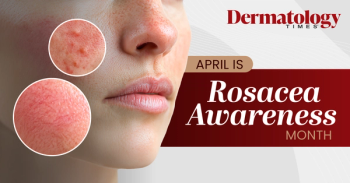
Explore the latest insights, strategies, and treatments for patients with rosacea as Dermatology Times looks back on Rosacea Awareness Month.

Younger patients with moderate to severe psoriasis exhibit risky sun exposure behaviors, raising concerns about tanning addiction and skin cancer risks.

The innovative 21-item Hair & Scalp CARE questionnaire is designed to evaluate the psychological impact of hair and scalp conditions on quality of life.

The groundbreaking GLPSGLT serum enhances skin quality for GLP-1 RA users, improving elasticity and reducing wrinkles in just 6 weeks.

A new study reveals a significant link between acne prevalence and high BMI in Sudanese adolescents, highlighting gender differences and the need for further research.

In case you missed it, this week we had news about the future of regenerative aesthetics, biologic therapies for bullous pemphigoid, phase 3 trial results for Qtorin 3.9% rapamycin gel, and more.

Sophisticated colloidal oat emollients show promise in effectively managing pediatric atopic dermatitis, enhancing skin hydration and reducing flare-ups in infants.

A recent meta-analysis evaluates the efficacy and safety of various JAK inhibitors for alopecia areata, highlighting 12 mg twice daily deuruxolitinib as the most effective treatment.
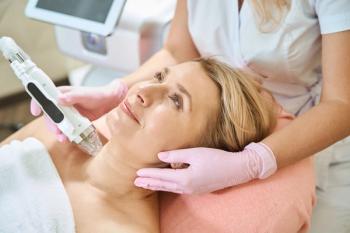
A pilot study reveals a dual-length microneedle RF device effectively reduces neck wrinkles by 35%, enhancing skin hydration and elasticity with minimal downtime.

DLQI score reduced by 61.8% and SCORAD score reduced by 41.8% in patients after 28 days of treatment.
While products like growth factor skincare already have demonstrated benefits, this is only the beginning, according to Prithwiraj Maitra, PhD.
Prithwiraj Maitra, PhD, Vice President of Global Skincare R&D at Allergan Aesthetics, gave his thoughts on regenerative aesthetics and other recent skincare advancements.
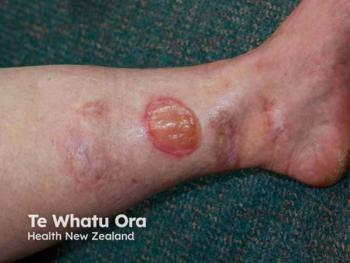
Nearly half of the surveyed patients identified a negative impact of their wounds on daily life, particularly at work.

Anastasia Georgievskaya reflects on the success of SkinGPT and reveals upcoming plans and potential advancements in artificial intelligence and dermatology.
In case you missed it, this week we had news about HyBryte's treatment success in CTCL patients, the impact of the COVID-19 pandemic on BCC surgeries, the FDA approval of dupilumab for H1 antihistamine-refractory CSU, and more.

As a patient with rosacea herself, Anastasia Georgievskaya highlights the innovation of Generative Skin in patient education.

Solid organ transplant recipients saw a 79.6% decrease in lesions 12 weeks after the treatment sessions.
Haut.AI’s new tool promotes inclusive and realistic conversations on the power of skincare products, according to the CEO.

Additionally, BCC surgery candidates have been older with more comorbidities since the pandemic began.

The pilot study showed notable decreases in mean melanin index after 3 sessions of PRP injections.
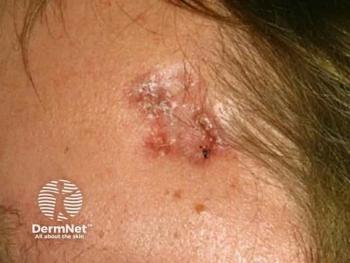
High response rates and no systemic toxicity in multiple nonmelanoma skin tumors were observed in this vulnerable patient population.

Improvements in hydration, erythema, itching, and burning were observed after 12 weeks of treatment for papulopustular rosacea.

Corticosteroids, calcineurin inhibitors, and fractional CO2 laser were also effective in achieving high levels of repigmentation.
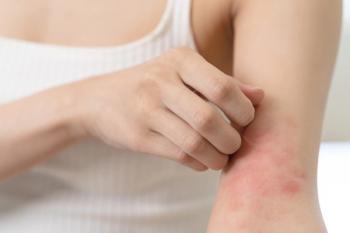
The funds will target programs for chronic pruritus, atopic dermatitis, and other inflammatory skin conditions.

Skin laxity improved by 34% with a moderate rate of improvement in female participants.

The novel formulation was compared to a petrolatum-based diaper and was found to be just as effective for irritation and redness.