


Shahriari spoke about the importance of comprehensive care, collaborating with other specialists, and addressing psychosocial impact.
Maddi Hebebrand is an associate editor of Dermatology Times and joined the MJH Life Sciences team in May 2024. She attended Baldwin Wallace University, studying Media Production and Film, and received her Masters in Digital Media from Ohio University. When she's not writing, Maddi loves to read, attend concerts and spend time with her family.
Shahriari spoke about the importance of comprehensive care, collaborating with other specialists, and addressing psychosocial impact.
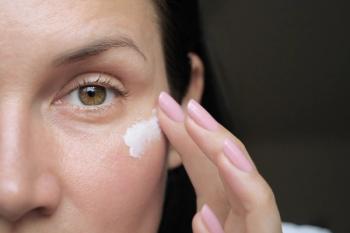
A recent study found that subjects reported an improvement in elasticity and firmness, with decreased fine lines and wrinkles after 8 and 12 weeks of use.

A recent review found success from a 3-component, simplified habit reversal therapy implemented by dermatologists for BFRBs.

Researchers found that the hemp derivative addressed multiple facets of acne pathophysiology and improved acne scarring overall.

Researchers found the assessment accounted for those with moderate impact, allowing clinicians to create improved treatment plans for patients.
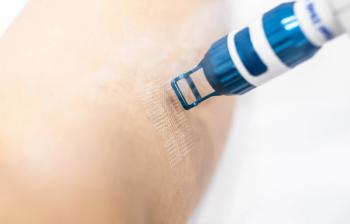
A recent study found the use of CO2 lasers significantly improved patient quality of life and disease symptoms in the long-term.

Although like count was down for posts from physicians, researchers also found an increase in share count, indicating a higher rate of reliability.

Researchers stated the findings highlight the need for integrated dermatological and psychological treatment approaches.

Renata Block, MMS, PA-C, and Amber Blair, MMS, PA-C, discuss the gratification of helping patients and the excitement of being on the cutting edge of research.

A recent review found the antifibrinolytic drug performed well in several clinical studies, none of which reported severe adverse events.

Stephen Tyring, MD, PhD, MBA, covers the burden of antimicrobial resistance and the need for alternative treatments.
Martin Zaiac, MD, gave insight on potential risks associated with manipulation of nails, hygiene, and when it is necessary to see a specialist.

The authorization of DermaSensor marks a milestone in AI-enabled devices, highlighting opportunities and challenges in their integration into clinical practice.
Laura Bush reflects on her term as SDPA president, discussing achievements, challenges, and the future of dermatology PAs in health care.

Rob Casquejo, PA-C, spoke with Dermatology Times on new and upcoming medications, addressing unmet needs, and social media misinformation.

A recent review found that disparities and barriers, such as income, age, and location, can impede patient access to necessary care.

Ethan Sims, MD, spoke with Dermatology Times on having positive conversations, cutting down on waste, and how to get involved in change.
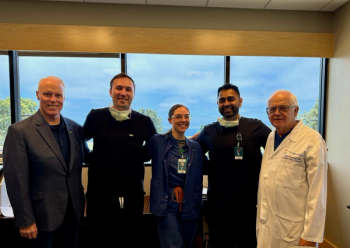
The program’s creator, Hubert Greenway, MD, has personally trained each of the fellowship’s 68 physicians in Mohs surgery.
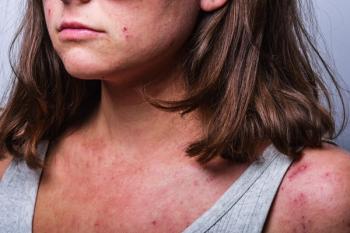
A recent study found that AD not only affects mental health and QoL, but women’s sexual health and gestational desires as well.
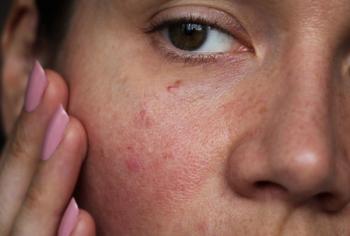
VYNE Therapeutics Inc. shared that top-line data from the trial is expected in the second half of 2024.

A recent review found that teledermatology could improve patient access, increase efficiency, and cut down on costly hospital admissions.

The study found patients with vitiligo are at a lower risk of developing PD, but those with comorbid PD could face elevated mortality rates.

The data, presented at RAVE 2024, continued a positive trend, building upon strong phase 1 results of rademikibart for patients with AD.

A recent study investigated the technology as a resource for patients seeking online medical information.

A study out of Japan found the burden on patients with atopic dermatitis and their caregivers can increase with age and disease severity.
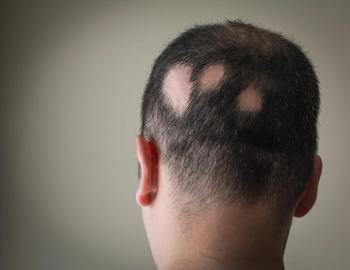
The trial reported complete hair regrowth for a number of participants, with 76% of a partial cohort meeting the primary endpoint of 30% improvement.

Researchers found patients with less than 95% hair loss at baseline reached median SALT score 2.4 or less, reflecting almost complete hair regrowth.

Karan Lal, DO, MS, FAAD, is a double-board certified pediatric and cosmetic dermatologist at Affiliated Dermatology in Scottsdale, Arizona.

Click here to answer today's poll and read more about providing patients with multidisciplinary care.

Researchers found evidence from numerous studies claiming LDI could improve rosacea symptoms and decrease flare-ups.