

The innovative technology is unlocking new possibilities in dermatology by improving the solubility and permeability of drugs for topical use.
Maddi Hebebrand is an associate editor of Dermatology Times and joined the MJH Life Sciences team in May 2024. She attended Baldwin Wallace University, studying Media Production and Film, and received her Masters in Digital Media from Ohio University. When she's not writing, Maddi loves to read, attend concerts and spend time with her family.
The innovative technology is unlocking new possibilities in dermatology by improving the solubility and permeability of drugs for topical use.

Experts explore innovative therapies, psychosocial impacts, and education strategies for managing atopic dermatitis in a Dermatology Times video series.

While zinc deficiency shows strong ties to SD, researchers stated vitamin D's role is less clear and may depend on genetic factors.

By addressing skin health proactively, runners can enhance performance and longevity in the sport while minimizing discomfort and long-term dermatological damage.

Repibresib’s localized delivery minimizes systemic exposure while targeting inflammatory pathways, a novel approach for vitiligo management.

Explore the top headlines of the week including 2025 PDUFA dates, 2024 interview insights, and awareness dates to add to your calendar.

Unlike bakuchiol, which exhibited toxicity at higher concentrations, SME demonstrated no cytotoxic effects in vitro.

Researchers found significant clinical benefits and tolerability with dual therapy for patients unresponsive to dupilumab alone.

Dermatology Times is reviewing some of the most anticipated PDUFA dates of the upcoming year.

Find out what the top 10 most popular articles of 2024 were from Dermatology Times.

Catch up on Dermatology Times conference coverage from July through December of this year.

Catch up on coverage of FDA-approved drugs in the second half of 2024.
Catch up on Dermatology Times conference coverage from January through June of this year.
Catch up on coverage of FDA-approved drugs in the first half of 2024.

As 2023 comes to a close, Dermatology Times is taking a look back at the studies, therapies, and advances in psoriasis this year.
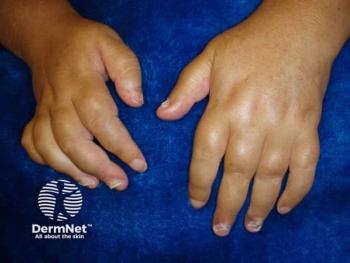
Deucravacitinib achieved ACR20 response in patients with PsA at week 16, with a safety profile consistent with previous studies.

As 2024 comes to a close, Dermatology Times is taking a look back at the studies, treatment, and advances in chronic hand eczema this year.

The company stated INF904 disrupts inflammatory pathways with over 90% effectiveness, based on Phase 1 data.

Hawkes shared his excitement for the near future of dermatology, recognizing the increasing ability to provide tailored care to patients.

Catch up on exclusive interviews with Christopher Bunick, MD, PhD; Raj Chovatiya, MD, PhD; and Alexander Egeberg, MD, PhD, from quarter 4 dermatologic conferences.

Michael Lewitt, MD, FAAD, highlighted the importance of personalized care, the decision-making process in psoriasis treatment, and the role of patient education.

Click here to answer today's poll and read more about practice management around the holiday season.

A recent review recognized the aesthetic concerns associated with GLP-1-induced weight loss and noted treatment options for various challenges.

Swanson and Lockshin explored how PDE4 inhibitors improve quality of life for AD patients through targeted treatments that address both inflammation and chronic symptoms.

Researchers emphasized the need for future studies to refine protocols and address economic barriers to combination therapy.

Researchers found two-thirds of patients reported no impact of psoriasis on their quality of life after 52 weeks of treatment with deucravacitinib.
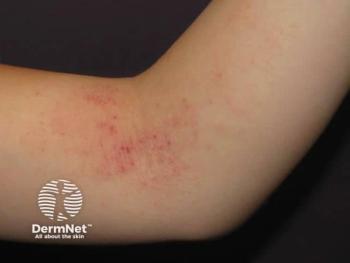
The review found AD can disrupt family life, as caregiving responsibilities can lead to stress, guilt, and reduced opportunities for shared activities.

Despite the risks of sun exposure, a study found only a fraction of coaches receive adequate UV-related guidance from their associations or clubs.

Researchers found patients reporting greater disease burden and lower HRQoL are more likely to switch to biologic therapies, regardless of clinician-rated disease severity.

Researchers stated that therapy represents a “valuable nonpharmacological intervention that offers an innovative therapeutic alternative” for acne treatment.