

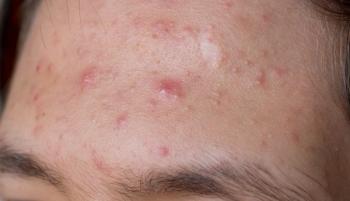
A recent study revealed that CO2 fractional laser was significantly more effective than microneedling for acne treatment with ALA-PDT.
Maddi Hebebrand is an associate editor of Dermatology Times and joined the MJH Life Sciences team in May 2024. She attended Baldwin Wallace University, studying Media Production and Film, and received her Masters in Digital Media from Ohio University. When she's not writing, Maddi loves to read, attend concerts and spend time with her family.
A recent study revealed that CO2 fractional laser was significantly more effective than microneedling for acne treatment with ALA-PDT.

Participants experienced improvements with both glove types, though cotton gloves were generally preferred for comfort and Sympatex for tactile sensitivity.

A review of 43 studies found that systemic treatments generally provide greater reductions in rosacea ILs compared to topical therapies.
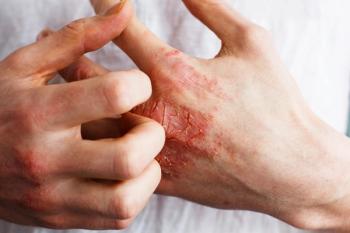
Researchers suggested that early intervention with less than 2 years of disease duration was associated with a lower risk of relapse.

Researchers stated the drug could avoid the need for additional immunosuppressive treatments associated with increased morbidity and mortality.
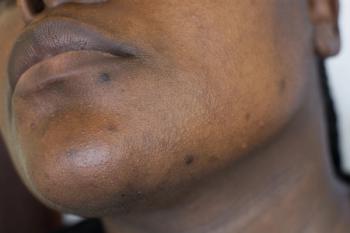
PIH, more prominent in darker skin types, often leads to significant psychosocial distress and reduced quality of life.

A recent review called for gender-specific studies to enhance dermatological treatments and potentially revise guidelines.

Researchers noted how historical bias in dermatology research has impacted the understanding and treatment of conditions in darker skin.

A recent study found psoriasis content deemed “unreliable” still obtained 850,000 likes.

In a milestone year for Dermatology Times, our Editorial Advisory Board reflects on how the publication has impacted their practice.
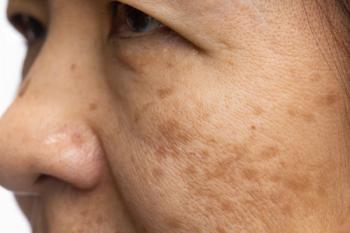
The study highlights the need for personalized treatments, suggesting that this combination therapy is most beneficial when tailored to individual risk profiles.

Researchers behind the phase 3 studies gave pearls into the study methods, results, and what is up next.
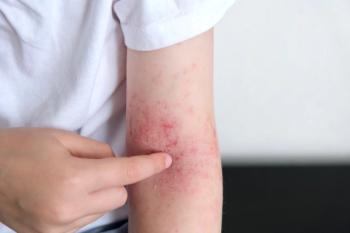
A recent study saw a “significant” decrease in allergen-specific IgE levels over a 1-year period of dupilumab therapy in children with atopic dermatitis.

A recent review investigated all known information between skin conditions and sleep disorders, finding a bidirectional influence between them.
In a milestone year for Dermatology Times, our Editorial Advisory Board reflects on key career mentors.

Robert Posnick, MD, hosted a Case-Based Roundtable discussion to review 2 challenging cases of atopic dermatitis involving hyperpigmentation and alopecia areata.

The study saw a reduction of 2 major UVA-induced mtDNA deletions associated with skin photoaging.

A recent study found that pharmacy professionals had an increased level of capability, opportunity, and motivation after accessing the resource.
In a milestone year for Dermatology Times, our Editorial Advisory Board reflects on how patient interactions have changed over time.
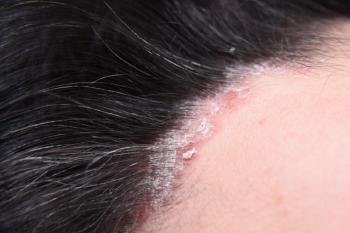
A recent study found that patients with genital psoriasis involvement are more likely to have involvement in other special body areas, such as the scalp.
Researchers behind the latest benzene studies found no increased cancer risk with use of products containing benzoyl peroxide.
Mona Shahriari, MD, hosted a Case-Based Roundtable discussion to review 2 challenging cases of atopic dermatitis in patients with skin of color.
In a milestone year for Dermatology Times, our Editorial Advisory Board reflects on advancements in their careers.
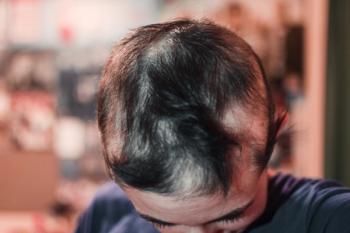
A recent review suggested there may be a higher risk of AA development after COVID-19 vaccination in patients with a history of AA or thyroid dysfunction.

Researchers not only confirmed the rapid and sustained efficacy of the drug, but also observed an increased onset of action for children under 6.

Click here to answer today's poll and read more about OX40 treatment for atopic dermatitis.
Explore dermatology's history and the journey through our publication's 45 years of covering an ever evolving specialty.
The study, which represents the first human trial of hcMSCs for AD, found the treatment was associated with “significant” improvements in symptoms.
Matthew Zirwas, MD, hosted a Case-Based Roundtable discussion to review 2 challenging cases of atopic dermatitis involving intense itch and severe hand dermatitis.

Phase 3 trials found the treatment demonstrated efficacy as early as week 1 of treatment and sustained this response through week 52.