


Mark Gimbel, MD, and Whitney High, MD, presented complex cases that underscore the critical need for comprehensive approaches in diagnosing melanocytic lesions.
Maddi Hebebrand is an associate editor of Dermatology Times and joined the MJH Life Sciences team in May 2024. She attended Baldwin Wallace University, studying Media Production and Film, and received her Masters in Digital Media from Ohio University. When she's not writing, Maddi loves to read, attend concerts and spend time with her family.
Mark Gimbel, MD, and Whitney High, MD, presented complex cases that underscore the critical need for comprehensive approaches in diagnosing melanocytic lesions.

Cheever shared with Dermatology Times her excitement for educational opportunities, networking, and presentations from experts in the specialty.

Share with us the topics you want to learn more about at Elevate-Derm West.

Researchers noted that ethical use of AR and VR in cosmetic care requires balancing technological benefits with patient safety and privacy.

Researchers stated the dual-action therapy could offer a promising approach to treat progressive non-segmental vitiligo.

Click here to test your knowledge and read more about the treatment landscape of chronic hand eczema.

After 1year of dupilumab treatment, researchers reported 76.5% of patients achieved CR, with further improvement to 85.6% after 3 years.

Motivators like health benefits, altruism, and trust in clinicians enhance participant retention and adherence in melanoma research, according to MEL-SELF findings.

Designed to fill a gap in rosacea evaluation, the TRoSA scale provides an objective method for tracking telangiectasia severity, which could also be integrated with AI for automated assessments.

The study underscores the importance of addressing work-related concerns for patients with melanoma, advocating for effective communication about rehabilitation options.

In a Dermatology Times Case-Based Roundtable event, Pearl E. Grimes, MD, FAAD, reviewed 2 cases of patients with vitiligo treated with ruxolitinib.

For mild to moderate alopecia areata, topical corticosteroids remain the most frequently prescribed first-line treatment among UK dermatologists.

Personalized treatment strategies for infectious skin diseases are being developed using AI algorithms that analyze individual patient data.

A study of the new cleanser included diverse participants, ensuring it is suitable for various skin types and sensitivities.

During an interview with Dermatology Times, Chovatiya outlined his Fall Clinical 2024 presentations on chronic hand eczema and early career controversies.
The conference will feature presentations on a number of disease states, therapeutic options, and new clinical data.

Findings from 2 phase 3 trials indicate that ZORYVE cream significantly improves both clinical outcomes and quality of life in patients with mild to moderate atopic dermatitis.

The application of a clinically validated moisturizer before mask-wearing was shown to significantly improve skin barrier function and reduce irritation.
In a Dermatology Times Case-Based Roundtable event, Ted Lain, MD, MBA, FAAD, reviewed 2 cases of patients with vitiligo treated with ruxolitinib.

In a recent Dermatology Times DermView video series, “Advancing Care in Pediatric Plaque Psoriasis: Emerging Treatments and Management Strategies," Karan Lal, DO, and Helen Shin, MD, discuss pediatric psoriasis and its prevalence.

Researchers behind a recent study found that patients with liver disease had a significantly higher prevalence of chronic pruritus.
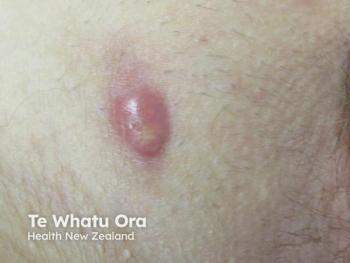
A recent study revealed that patients with HS have a 23% prevalence of IA, emphasizing the need for routine screening in dermatologic practice.

The case series found dupilumab led to improvements in skin condition and a reduction in bacterial infections for pediatric patients with Hyper-IgE syndrome.

Studies show conflicting serum levels of zinc and copper in vitiligo patients, indicating a need for further research.
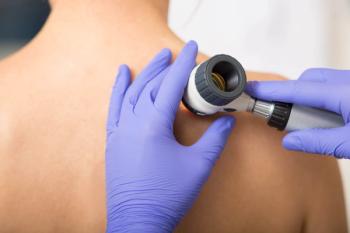
Developed by a panel of global dermatology experts, the SQS addresses the multifaceted nature of skin quality.

The app demonstrated high sensitivity (92.0%) and specificity (95.5%) in identifying skin changes through a controlled testing environment.
In a Dermatology Times Case-Based Roundtable event, Chesahna Kindred, MD, MBA, FAAD, reviewed 2 cases of patients with vitiligo treated with ruxolitinib cream.

The new delivery systems for bimekizumab-bkzx represent an upgrade over previous 1 mL options, reducing the frequency of injections required.

The study design emphasizes elevated endpoints, particularly joint health, ensuring that the most relevant outcomes are prioritized for patient care.
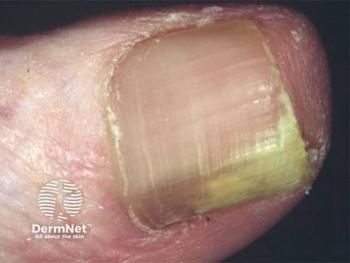
Efinaconazole demonstrated enhanced efficacy in treating nail fungal infections, thanks to its high penetration capability and low keratin binding.