


James Del Rosso, DO, explored the treatment landscape and the importance of regular eye exams for patients with AD.
Maddi Hebebrand is an associate editor of Dermatology Times and joined the MJH Life Sciences team in May 2024. She attended Baldwin Wallace University, studying Media Production and Film, and received her Masters in Digital Media from Ohio University. When she's not writing, Maddi loves to read, attend concerts and spend time with her family.
James Del Rosso, DO, explored the treatment landscape and the importance of regular eye exams for patients with AD.
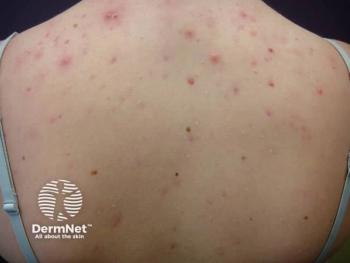
As a part of his presentation at Winter Clinical Miami, Del Rosso discussed new and emerging therapies for acne vulgaris.

Noor noted patients benefit from in-house injection services, avoiding the inconvenience of traveling to off-site centers.
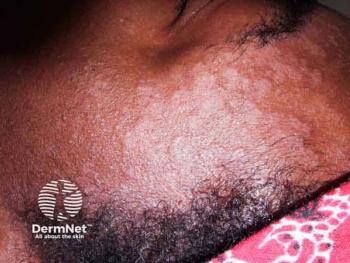
James Del Rosso, DO, shared insights on existing and upcoming therapies for seborrheic dermatitis.

Explore the top headlines of the week including clinical trial updates, social media hair trends, and expert insights.

QRX003 mimics the LEKTI protein to strengthen skin barriers and alleviate symptoms in patients with Netherton Syndrome.
Understanding urticaria subtypes, from spontaneous to inducible, is key to crafting patient-specific management plans.

AP31, a novel micropeptide, delivers anti-aging and anti-inflammatory benefits, improving skin firmness, lifting, and reducing wrinkles.

In his presentation at Winter Clinical Miami, Del Rosso covered new and emerging therapies as well as successful off-label uses.

Researchers found the combination therapy significantly reduced rosacea severity, with 64% achieving mild or normal status in just 4 weeks.

Jason Hawkes, MD, MS, discusses unmet needs in chronic urticaria care and challenges outdated testing practices.
Fast-acting therapies like remibrutinib bring new hope to patients with chronic urticaria who don’t respond to antihistamines.

A recent study found chronic inflammation in psoriasis may contribute to cognitive decline.
Noor emphasizes that patient access is the primary consideration when deciding to use the buy-and-bill model.

Hawkes combines personal experience and clinical expertise to treat urticaria patients.

Explore the top headlines of the week including the growth of NPs and PAs in the field, clinical trial updates, and advancements in therapy.
Mitragotri's work bridges advanced drug development and skin care for tailored treatments.

The new dosing option offers convenience for those managing plaque psoriasis, PsA, and hidradenitis suppurativa.

Researchers found patients with conditions like asthma or dermatitis are more likely to develop early, severe, and prolonged forms of alopecia areata.

Researchers found emotional resilience can mitigate acne's psychological and social challenges.

Effective PsA management requires balancing clinical goals with patient-reported challenges like fatigue and daily disruptions.

The analysis findings support the potential use of zinc and vitamin D supplementation in managing alopecia areata.

Cemiplimab demonstrated a 68% reduction in recurrence risk for high-risk CSCC in the phase 3 C-POST trial, according to Regeneron’s latest findings.

A 25-day BioLab study revealed their protein-rich wound gel outpaces alternatives, setting the stage for clinical trials.

Data augmentation techniques like cropping and blurring allow AI models to overcome limited datasets, improving skin cancer detection rates.
Explore the top headlines of the week including clinical trial updates, FDA announcements, and expert insights.
Advancements in therapeutic agents demand innovative strategies for safe, localized skin treatments, Mitragotri argues.

A study revealed ruxolitinib cream's rapid, lasting benefits in pediatric eczema without systemic safety concerns over a 52-week trial period.
Mitragotri said new innovations like ionic liquid-based delivery systems can offer better treatment for immunodermatological conditions.
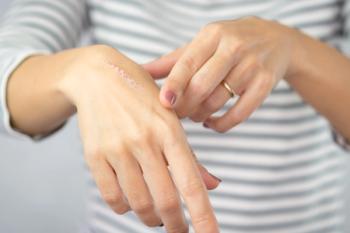
Designed to mimic natural tissue scaffolds, DermiSphere hDRT offers innovative support for cellular infiltration and healing in reconstructive surgery.