


Hilary Baldwin, MD, emphasized involving patients in the decision-making process to create a personalized and cost-effective plan.
Maddi Hebebrand is an associate editor of Dermatology Times and joined the MJH Life Sciences team in May 2024. She attended Baldwin Wallace University, studying Media Production and Film, and received her Masters in Digital Media from Ohio University. When she's not writing, Maddi loves to read, attend concerts and spend time with her family.
Hilary Baldwin, MD, emphasized involving patients in the decision-making process to create a personalized and cost-effective plan.

During an interview with Dermatology Times, Zirwas outlined modern allergens such as sulfites, dietary nickel, and acrylates.

Catch up on coverage from the third day of the Maui Derm NP+PA Fall 2024 conference in Nashville, Tennessee.

From dupilumab to OX40s, Zirwas talked about the niche to all atopic dermatitis therapies to make the best decision with your patient.

In a session at Maui Derm NP+PA Fall, Zirwas talked about the newfound discoveries of causation within the AD space.

Del Rosso’s cases emphasized the importance of thorough patient evaluation and communication with other health care providers.

Catch up on coverage from the second day of the Maui Derm NP+PA Fall 2024 conference in Nashville, Tennessee.

During his session at Maui Derm NP+PA Fall, Hawkes emphasized the need for careful patient communication and shared his excitement for remibrutinib.

Researchers analyzed APPs treatment and perceptions on AD in studies focusing on patient satisfaction and patients with skin of color.

Catch up on coverage from the first day of the Maui Derm NP+PA Fall 2024 conference in Nashville, Tennessee.

Hawkes highlights groundbreaking therapies for psoriasis, including new oral medications and IL-23 inhibitors.

The IL-13 inhibitor, recently FDA-approved for moderate to severe AD, reached all primary endpoints in the study focusing on patients with skin of color.

Ebglyss is now approved for children and adults aged 12 years and older.

In case you missed it, this week we had news about adverse event profiles among pediatric patients treated with JAK inhibitors, positive results from a phase 3 trial of dupilumab for chronic spontaneous urticaria, and the impact of tropical weather on patients with atopic dermatitis.
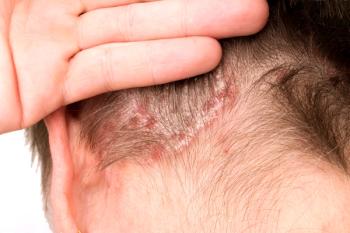
Armstrong shared insights on the recently released NPF psoriasis health indicator report including pearls on national health data and unmet needs in public health campaigns.

The trial showcased the continued efficacy of apremilast, with 2-year data on the forefront.

A recent reviewed showed that self-stigma in patients with skin disease is influenced by body image issues and social support.
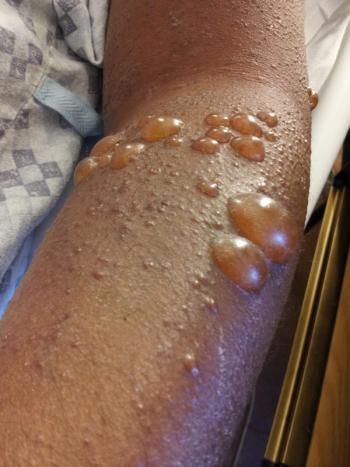
New study results show promise in dupilumab for bullous pemphigoid, with 59% of patients avoiding disease relapse.

Swiss researchers found significant gender differences in melanoma care, including variations in information preferences and treatment decision-making.

A recent review found glycyrrhizin improves minoxidil's efficacy in treating AA, showing reduced severity and improved hair density.

The study reported that UST leads in dose escalation frequency, but also had lower discontinuation rates when compared to ADA and ETN.
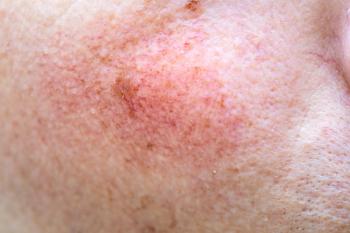
A recent review found the LDI shows significant symptom improvement, but needs further study for long-term maintenance.

A recent study investigated the acceptability, barriers, and facilitators associated with digital health tools.

The JAK1 inhibitor provided significant relief for 2 patients with refractory PN.

New research shows the 675-nm laser enhances skin texture and rejuvenation, making it a valuable tool for various dermatological conditions.
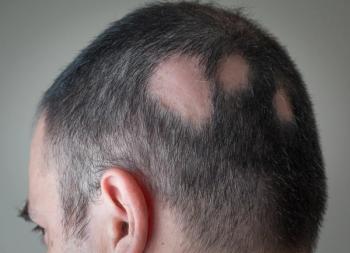
Arcutis' study of ARQ-255 aims to address the lack of FDA-approved topical treatments for alopecia areata, a condition affecting roughly 1 in 500 people.
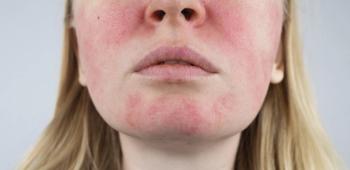
The study stated that enhancing patient education and psychological support can improve rosacea management and quality of life.

Although clinicians showed similar antibiotic prescribing rates, the study highlights a need for better adherence to HS treatment guidelines across all specialties.
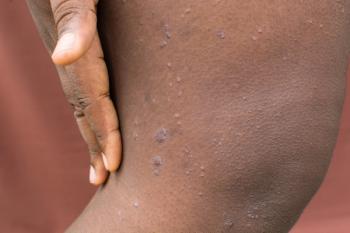
The review found that patients with PN are approximately 1.3 times more susceptible to depression and 1.9 times more likely to experience anxiety.

The phase 2 trial for EVO756, targeting mast cell-related CIndU, is now underway at 15 US study sites.