

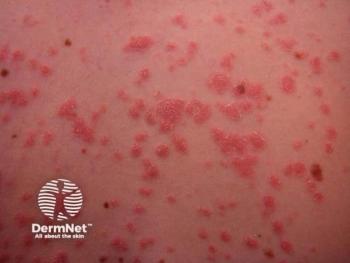
Findings suggest that most patients on risankizumab met or exceeded the National Psoriasis Foundation’s treatment goals.
Maddi Hebebrand is an associate editor of Dermatology Times and joined the MJH Life Sciences team in May 2024. She attended Baldwin Wallace University, studying Media Production and Film, and received her Masters in Digital Media from Ohio University. When she's not writing, Maddi loves to read, attend concerts and spend time with her family.
Findings suggest that most patients on risankizumab met or exceeded the National Psoriasis Foundation’s treatment goals.

The ADORING 3 study demonstrated that tapinarof cream 1% maintains low disease activity in patients with AD for an average of 79.8 days post-treatment.

Catch up on coverage from the first day of the 2025 American Academy of Dermatology Annual Meeting held in Orlando, Florida.

In addition to Taylor, several other new leaders have been appointed to key roles within the AAD to help drive its mission of advancing dermatology.

Ahead of the annual meeting, Dermatology Times spoke with Draelos about why she looks forward to the meeting each year.

The company showcased advancements in tirbanibulin and its early-stage antibody LAD191.

Published in JID, the study analyzes data from the FDA’s FAERS database to examine cases of neoplasms—including skin and breast cancers—potentially associated with benzoyl peroxide use.

Serota and other field experts discussed best practices as well as new therapeutics.
Robinson shared insights into how the company is working to fight clinical research disparities.

Psoriasis trials are among the least diverse within dermatology, with participants predominantly being white men.

Research suggests that rebalancing the skin microbiome with pre-, post-, and probiotics may improve AD symptoms.


Single-use packaging and excess sample distribution contribute to environmental harm, necessitating a shift in industry practices.

Explore the top headlines of the week including insights from Terri Philips, MD, FAAP, innovations in wound healing, and more.
This week, we feature top articles from our sister publications on recent clinical trials, practice management, and innovative technology.

Catch up on dermatology news, highlights, and insights from the past 24 hours.

Explore the top headlines of the month including the expanding role of NPs and PAs, a guide to 2025 conferences, and expert insights from Paul Friedman, MD.

Today, Dermatology Times recognizes Rare Disease Day in an effort to amplify the voices of the over 300 million individuals affected by rare diseases.
Catch up on dermatology news, highlights, and insights from the past 24 hours.
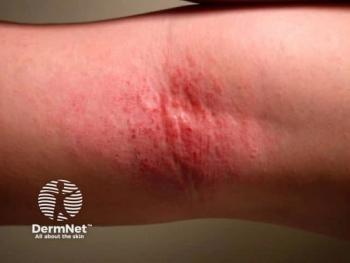
Objective tools like IGA and EASI provide structured severity assessment but often lack patient-reported insights such as itch severity.

Independent pharmacies are closing at high rates, leaving many communities without essential health care access.

DELTA China follows the success of European and Canadian trials, reinforcing delgocitinib’s potential as a global treatment for CHE.
Well Revolution’s partnership with City Chemist highlights how telehealth can sustain small businesses and improve patient care.

Lead investigator Leon Kircik, MD, emphasized the need for collaboration between clinicians, technologists, and policymakers to maximize VR/AR’s potential.

Patients receiving SSA treatments showed significant improvements after just 2 sessions, supporting its rapid efficacy.

Snail slime contains bioactive compounds that promote skin healing, hydration, and regeneration.

Findings suggest that this novel treatment approach can enhance the quality of life for vitiligo patients without increasing the risk of adverse events.
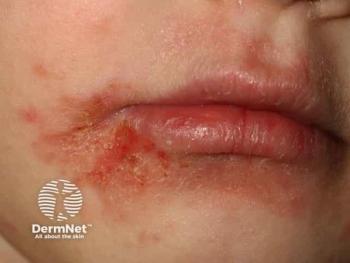
Lead author on recent research, Lawrence Eichenfield, MD, said if approved, this treatment could fill a “significant gap.”

The promotion of anti-aging products to children, who don't yet experience age-related skin changes, is both ethically questionable and potentially harmful.