

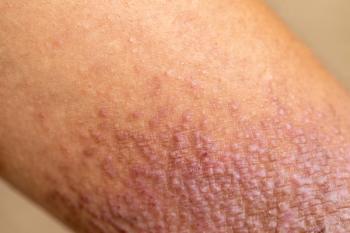
Compared with the previous EczemaNet1, EczemaNet2 was more accurate in its automated detection of atopic dermatitis lesions.
Compared with the previous EczemaNet1, EczemaNet2 was more accurate in its automated detection of atopic dermatitis lesions.
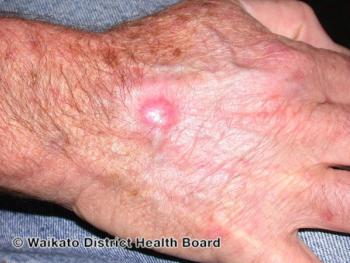
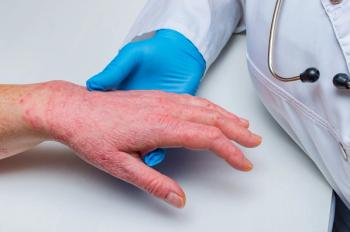
Surgical removal techniques including Mohs surgery and excisional surgery are preferred treatment approach when addressing BCCs, particularly on the hands.

Greg Pierce of Synchrony discusses CareCredit's Path to Care study and its findings related to cost and finance considerations for cosmetic dermatology patients.

The approval provides pediatric patients with a steroid-free topical therapy.

This Body-Focused Repetitive Behaviors Awareness Week, Dermatology Times is spotlighting the role of the only donor-supported nonprofit organization for dermatillomania in spreading awareness and education of skin picking.

Dermatologist Laura Ferris, MD, PhD, discusses skin-related toxicities as a result of immunotherapies for the treatment and management of cancers.

This year’s virtual atopic dermatitis conference takes place on Sunday, December 10, 2023.

Click here to answer this week's acne poll.
Colleen Cotton, MD, discusses the treatment landscape of pediatric atopic dermatitis, highlights from her session at Maui Derm NP+PA in Asheville, NC, and more.

The designation now applies to all approved indications, which includes dermatologic conditions such as psoriatic arthritis, plaque psoriasis, and hidradenitis suppurativa.
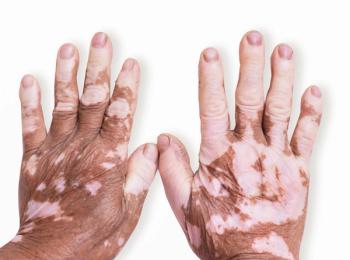
A real-world retrospective analysis also found that among patients receiving treatment, most were unlikely to use more than 1 treatment or switch to an alternative treatment during the first year of diagnosis.

Discover the top pearls and takeaways from sessions at Maui Derm NP+PA Fall 2023 in Asheville, North Carolina.
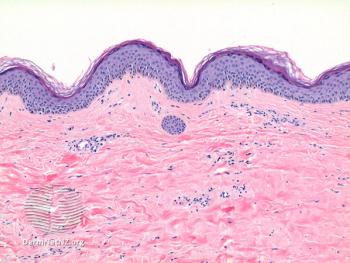
Many studies have investigated the associations between lichen sclerosus and vulvar and penile SCCs, as well as genital melanomas.

In this week’s Pointers With Portela, the 208SkinDoc explains why individuals with certain careers have an increased risk of developing skin cancer.
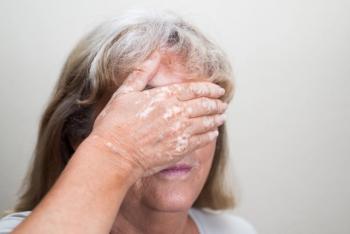
Investigators evaluated the most important markers associated with the pathogenesis of vitiligo, including serum inflammatory and oxidative stress markers.

Vitiligo and psychiatric disorders share a strong connection, with up to 90% of vitiligo patients having comorbid psychiatric conditions.

Non-physician posts accumulated more than 3 times the number of views compared to those created by physicians. Among physicians, dermatologists demonstrated higher average view counts compared to non-dermatologists.

These insights highlight the crucial role of systemic therapies in the comprehensive management of moderate to severe atopic dermatitis.

As cold weather is approaching for much of the country, it is crucial for dermatologists, pediatricians, and families to work together for proper pediatric atopic dermatitis care.
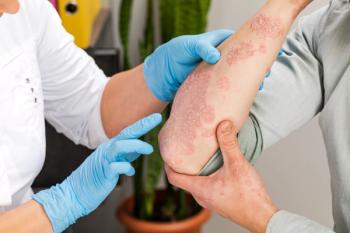
In a cohort of patients in the UK, investigators found that SARS-CoV-2 was associated with increased incidence of several immune-mediated inflammatory diseases, with psoriasis among them.

The addition of an HS dataset adds approximately 26,000 new patient records.

The September 2023 issue of Dermatology Times featured a spotlight on psoriasis research, advances, and treatment options in patients with skin of color. Learn more about the topics covered in each spotlight article.

Brauer’s textbook can be purchased through Amazon and Barnes & Noble.
Check in throughout the month to learn more about the latest treatment pearls and research findings in DermIQ’s spotlight on atopic dermatitis.

Investigators reported successful treatment of psoriasis with risankizumab, despite presence of concomitant HIV infection in 4 male patients.

No concerns were cited about the clinical data package, safety, or label of lebrikizumab.

Prepare your patients with helpful resources each week throughout National Eczema Awareness Month.

New and emerging therapies to treat a variety of skin conditions were presented by George Martin, MD, and Ted Rosen, MD.

Raj Chovatiya, MD, PhD, shares his atopic dermatitis insights.
October is Eczema Awareness Month and Dermatology Times is recognizing research to best serve patients with the most common type of eczema, atopic dermatitis.