


82.8% of adult patients with iPsO achieved an IGA score of 0 or 1 indicative of complete or almost complete lesion clearance.
82.8% of adult patients with iPsO achieved an IGA score of 0 or 1 indicative of complete or almost complete lesion clearance.
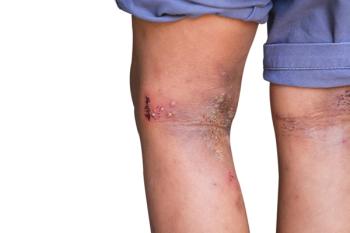
April Armstrong, MD, MPH, and Peter Lio, MD, explained the science behind how AD impacts quality of life and biologics on the market to enhance treatment plans.

Skin clearance, itch relief, and reduced severity of atopic dermatitis were sustained with monthly maintenance dosing.

Hasbargen presented clinical cases alongside James Del Rosso, DO, at IDS 2023.

Topline results from the phase 3b trial revealed significant improvements in patients with skin of color whose psoriasis was treated with guselkumab.
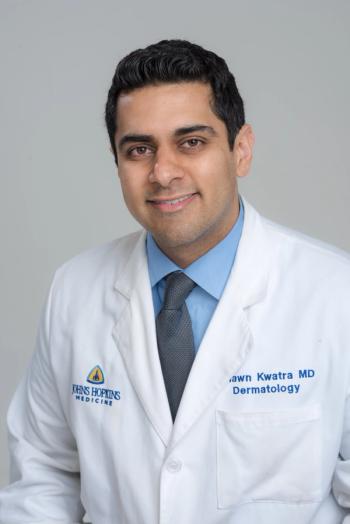
Kwatra reviewed skin lesions in PN and important treatment considerations for patients at Fall Clinical.

Catch up on coverage from the first day of the 2023 Fall Clinical Dermatology Conference and the Inflammatory Disease Summit.

Andrea Nguyen, PA-C, reviewed types of clinical trials, phases, expenses, and more at the 2023 Inflammatory Disease Summit.

Bhatia also shared insights into ritlecitinib for alopecia areata at Fall Clinical 2023.

Lauren Miller, PA-C, kicked off the inaugural 2023 Inflammatory Disease Summit by discussing the psychosocial impacts related to AD, PsO, and HS.

Test your knowledge on the foundation leading to the development of biologics to treat atopic dermatitis.

Farberg is looking forward to another year of top-notch presentations at Fall Clinical 2023.
Cheryl Burgess, MD, will share pearls on counseling patients on appropriate cosmetic procedures for their skin type, safety measures, and strategies to achieve desired outcomes.

The inaugural IDS meeting geared towards physician assistants and nurse practitioners begins the first day of Fall Clinical in Las Vegas.

Looking to explore the city between Fall Clinical sessions or to extend your stay? Check out this top 10 list of the best Las Vegas has to offer in October.

One of the largest dermatology meetings of the year kicks off today with an exciting line up of expert perspectives and clinical pearls. Here's what you can expect.

Click here to answer if you're attending IDS 2023.

Founder Matthew Brunner MHS, PA-C, and Elevate Derm's leadership team explain why the meeting was founded in 2020 and its growth to fit today's treatment landscape.

Factors determining severe levels of stress included uncertainty about treatment progress, diagnosis, and treatment path.

Half of study participants achieved treatment success vs less than one-fourth with vehicle.
One of the many minds behind innovative Fall Clinical Dermatology sessions gives a sneak peek of the top 5 things to look forward to during this year's meeting.

Click here to answer if you're attending Fall Clinical.
Among the many sessions to be held at the 2023 Fall Clinical Dermatology Conference in Las Vegas, Nevada, several Dermatology Times® Editorial Advisory Board members are preparing to share their knowledge and insights.

Bimekizumab is now the first and only approved IL-17A and IL-17F inhibitor for this indication.

October 6-12 was National Physician Assistant Week.
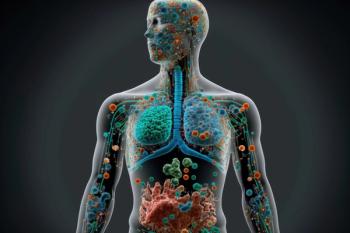
With October being National Eczema Awareness Month, there is robust research about the power of the microbiome and eczema.
Kwatra presented the abrocitinib data at EADV 2023.

Allergan Aesthetics recently announced the fifth-year of its partnership with Girls Inc. Nkem Ugonabo, MD, MPH, and Adelle Infante recently spoke with Dermatology Times to discuss the importance of STEM and dermatology mentorship.

While blue light irradiation was efficacious in reducing itch and IL-31 levels, it did not reduce any of the objective measures of AD.

Lindsey Zubritsky, MD, FAAD, discusses the importance of providing accurate eczema care education throughout the month of October.