


Natural and synthetic antimicrobial peptides can penetrate deeper skin layers.
Natural and synthetic antimicrobial peptides can penetrate deeper skin layers.

Specific dermoscopic features help determine a diagnosis and the severity of disease.

Investigators found a steady reduction of IgE levels in patients regardless of dupilumab dosing interval.
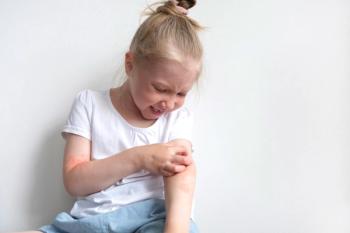
Roflumilast cream .05% for mild to moderate atopic dermatitis in children also met secondary endpoints.
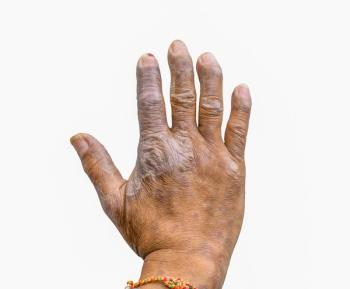
Mona Shahriari, MD, introduces "Psoriasis Gaps in Care," a special section of the Dermatology Times September print issue dedicated to skin of color research in psoriasis.

Clinicians can use culturally competent care to ease patients’ concerns with identity and better understand the emotional toll of the condition.

The study is the only large-scale dermatologic study to prospectively generate insights into skin conditions among patients of racial and ethnic minority groups.
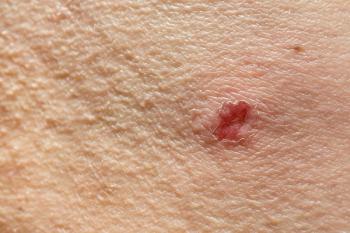
A study found that 193 proteins were differentially expressed after nemolizumab treatment.

The Small Business Innovation Research grant enables ResVita Bio to develop RVB-101 for treatment of severe atopic dermatitis.
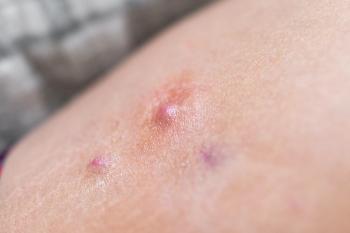
Affective, anxiety, and neurotic disorders were among the most common in a recent study.

This Skin Care Awareness Month, we want to hear more about your experiences with discussing skin care habits with your patients. Click to answer this week's poll.

With a wide range of aesthetic options available, clinicians can create a personalized approach to addressing age-related changes around the eye to give patients the natural-looking results they desire.

Frequent fliers, including pilots and cabin crew, are exposed to greater levels of UV and cosmic ionizing radiation than the general population, leading to higher incidence of skin cancers.
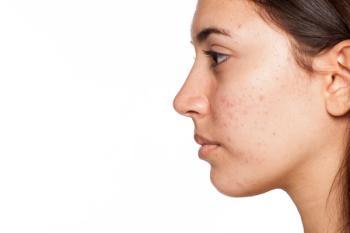
Dermatologists will debunk incorrect information found online and educate content creators.
Keep up with the latest headlines in dermatology from the past week, including advances in diversifying the specialty, artificial skin and its role in eczema research, and more.

ICYMI, this week we had articles about deucravacitinib's year in review, patient satisfaction in cosmetic procedures, confronting racial disparities in dermatology, and more.

The Group for Research and Assessment of Psoriasis and Psoriatic Arthritis provides an opportunity for clinicians to share knowledge and research.

Websites and educational materials are available to support clinicians in treating their patients with skin of color.

Skin clearance and itch relief were maintained through 1 year of treatment with monthly maintenance.

In part 2 of this Frontline Forum series, Brent Moody, MD; Sarah Arron, MD, PhD; Justine Cohen, DO; Emily Ruiz, MD, MPH; and Todd Schlesinger, MD, discuss non-surgical treatment options for the management of BCC, dose adjustments for systemic treatments, combining hedgehog pathway inhibitors with immunotherapy, and more.

This Hispanic Heritage Month, Dermatology Times is reviewing the unique dermatologic concerns and disparities faced by members of the Hispanic community.
Martin presented clinical pearls regarding business management and facial balancing in Dallas, Texas.
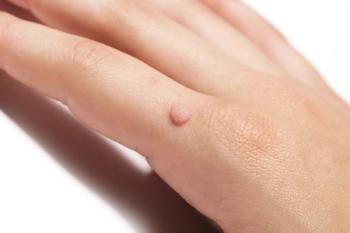
In a study of 19 patients, the laser treatment led to excellent responses in 86.36% of participants, with 78.94% achieving complete response.

In this month's Cosmetic Conundrums column, Zoe Diana Draelos, MD, describes peptides and their use in skin care.

Bempikibart offers a new approach to treating the disease by blocking signaling pathways.

According to researchers, only 3 studies have previously explored a potential link between AD and dementia with inconsistent findings.

Treatments using lasers and microneedling for acne and acne scarring have grown in recent years, offering patients more options.

World Atopic Eczema Day initiative from Almirall highlights experiences and facts about atopic dermatitis.

Treatment groups showed faster healing and lower rates of erythema than control groups.

This week’s collection of the latest dermatologic studies covers aseptic facial granulomas, chronic spontaneous urticaria and IgE, a case review of crusted scabies, and the safety and tolerability of onabotulinumtoxinA.