


Pharmacists play a role in advising patients with hair loss about self-management and proper application of over the counter products.
Pharmacists play a role in advising patients with hair loss about self-management and proper application of over the counter products.

Four grants were awarded for communities in communities in Miami-Dade County, Florida; Los Angeles County, California; rural communities in Oregon, and downtown Philadelphia, Pennsylvania.

A recent study found that in Europe, approximately 1 in 5 individuals with chronic skin disease felt that they were looked at by others with disgust.

Prepare your patients with helpful resources during National Eczema Awareness Month.

If you weren’t able to attend the 2023 Fall Clinical Dermatology Conference or want to review our latest coverage and interviews, our full recap has you covered.

Catch up on coverage from the final day of the 2023 Fall Clinical Dermatology Conference.

This study aimed to evaluate the association between the disease burden of psoriasis and the switching of systemic biologic therapies in patients with both psoriasis and psoriatic arthritis.

There is a lot of conversation drumming around the boxed warnings for newer JAK inhibitors, and fact versus fiction was discussed at Fall Clinical.

Susan Taylor, MD, walked Fall Clinical attendees through an in-depth hyperpigmentation session that included melasma and its mimickers.

Kirby presented at both Fall Clinical and the Inflammatory Disease Summit in Las Vegas.
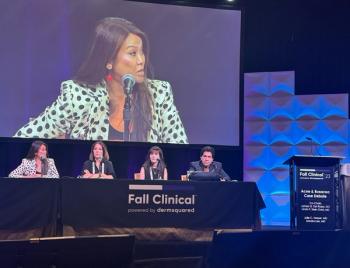
Sandra Lee, MD, and other top acne experts took the stage to debate cases and treatments.

Primary and secondary melanoma prevention factors are necessary to reduce patients’ melanoma risk.

Renata Block, MMS, PA-C, shares her atopic dermatitis insights.

The latest CDC data shows an uptick in syphilis, which can lead to a rare form of alopecia or a presentation of psoriasis.

Catch up on coverage from the third day of the 2023 Fall Clinical Dermatology Conference.

Although still in its early stages, the program showcases the potential value of tangible interactions between dedicated navigators and patients in enhancing support and continuity of care.
Keep up with the latest headlines in dermatology from the past week, including the creation of a dermatology outreach organization centered in Detroit, a tropical skin disease endemic in parts of the US, and more.
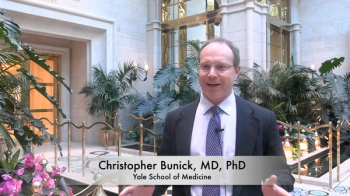
Christopher Bunick, MD, PhD, reviews Cabtreo’s recent FDA approval and what the new triple-combination gel means for acne patients.

The pharmacokinetic profile of APG777, characterized by an extended half-life, increased exposure, and reduced clearance compared to lebrikizumab, is promising for patients with IL-13-driven diseases.

The goal of Arron et al’s study was to determine if the 40-GEP test could identify high-risk cSCC patients who would benefit from ART in controlling metastatic disease progression.

The positive outcomes observed in these cases underscore the potential for these products to revolutionize the way dermatology clinicians address visible signs of facial aging.

Shah is presenting alongside a panel of leading experts at Fall Clinical 2023.

Dawn Merritt, DO, and Mark Lebwohl, MD, took the stage to explain the history of CSU, the prevalence of testing and food avoidance, approved treatments, and monitoring treatment improvement for the condition.

Catch up on coverage from the second day of the 2023 Fall Clinical Dermatology Conference.

Francesca Tenconi, president and CEO of Children’s Skin Disease Foundation and Camp Wonder, presented at Fall Clinical 2023 about the challenges of chronic skin conditions in children.

The US Food and Drug Administration has approved IDP-126 gel for patients with acne.
The CRL states that additional efficacy data is needed in order to support approval.

If you weren’t able to attend the 2023 Inflammatory Disease Summit or want to review our latest coverage and interviews, our full recap has you covered.

Kristine Kucera, PA-C, gave an in-depth overview of the JAK-STAT pathway at the 2023 Inflammatory Disease Summit.

Lisa Sanglay, FNP, and Lauren Miller, PA-C, interviewed a patient at IDS 2023 who used to have debilitating atopic dermatitis before seeing Sanglay for help and who prescribed upadacitinib.