




Hidradenitis Suppurativa
Latest News
Advertisement
Latest Videos
CME Content







Advertisement
More News

Bimekizumab demonstrated long-term effectiveness in patients with HS, with over 85% maintaining response and reduced draining tunnels.
The new dose offers a more tailored and convenient option for patients with inflammatory conditions.
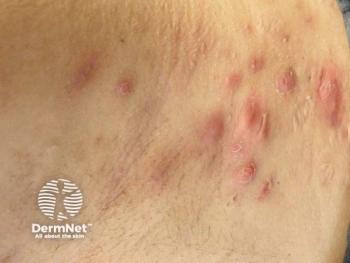
Patients with hidradenitis suppurativa experience knowledge gaps on effective treatments and addressing these gaps could help prevent tissue damage among patients.

A case study explores a rare overlap of hidradenitis suppurativa and porokeratosis, highlighting unique histopathology and complications.
As 2024 comes to a close, Dermatology Times is taking a look back at the studies, therapies, and advances in hidradenitis suppurativa this year.

Hidradenitis suppurativa requires clinical vigilance, empathy, and the courage to escalate therapy early.

The company stated INF904 disrupts inflammatory pathways with over 90% effectiveness, based on Phase 1 data.

Panelists discuss how identifying optimal timing for treatment switches and emerging therapeutic innovations are reshaping the management landscape for hidradenitis suppurativa, with the potential to improve long-term patient outcomes.
Panelists discuss how managing patient expectations while implementing combination treatment approaches can optimize outcomes in hidradenitis suppurativa, emphasizing the importance of clear communication about treatment goals and timelines.
Panelists discuss how early recognition of hidradenitis suppurativa coupled with timely initiation of biologic therapies can significantly improve treatment outcomes and prevent disease progression.
Panelists discuss how the role of AI in Hidradenitis Suppurativa and the potential for complex multi-input factors.
Panelists discuss how artificial intelligence could revolutionize HS diagnosis through automated image analysis, pattern recognition of clinical presentations, and improved early detection capabilities, potentially reducing diagnostic delays.
Panelists discuss future innovations in hidradenitis suppurativa (HS) treatment and recommendations for guidelines and support groups.
Panelists discuss how current HS treatments, ranging from topical antibiotics to biologics, show varying degrees of efficacy in managing symptoms, while highlighting the need for individualized treatment approaches based on disease severity and patient factors.
Panelists discuss how hidradenitis suppurativa significantly impacts patients' quality of life through chronic pain, skin lesions, and social stigma, while remaining frequently misdiagnosed or diagnosed late due to low disease awareness among healthcare providers.
Dena Antowan shares her journey balancing pre-med life, managing HS, advocating on TikTok, and her vision for empathetic dermatologic care.
Unlike previous therapies, bimekizumab has shown continued efficacy at 48 and 96 weeks, offering long-term benefits to HS patients.

Older adults with higher genetic risk for HS show increased risks for coronary artery disease and diabetes, according to UK Biobank data.
The pivotal BE HEARD trials demonstrated bimekizumab’s efficacy, showing meaningful improvements over placebo in HS patients.

A novel study assessed the potential of 2 AI platforms in providing accurate information to patients with HS.

The drug is the first FDA-approved treatment for moderate to severe HS that selectively inhibits both IL-17A and IL-17F.
A recent analysis found primary closure in HS surgery has higher recurrence rates, while secondary intention healing avoids complications but prolongs recovery.
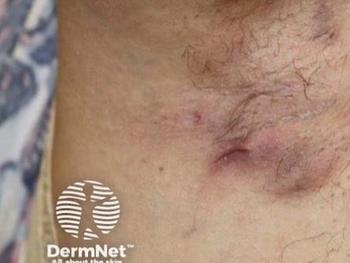
Post-hoc analysis demonstrated secukinumab's efficacy in addressing both HS and HS-related psychiatric symptoms.
From diet recommendations to biologic advancements, Jennifer Hsiao, MD, covered essential updates for treating patients with HS.
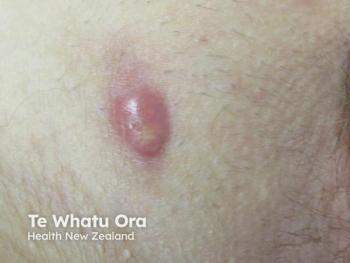
A recent study revealed that patients with HS have a 23% prevalence of IA, emphasizing the need for routine screening in dermatologic practice.
Advertisement
Advertisement
Trending on Dermatology Times
1
AbbVie Files for Vitiligo Indication, Putting Systemic Therapy Under Regulatory Review
2
FDA Accepts Galderma’s BLA Resubmission for Liquid Neuromodulator RelabotulinumtoxinA
3
Icotrokinra Shows Superior Efficacy Over Advanced Oral Therapies in New Psoriasis Meta-Analysis
4
Nutrafol Expands Portfolio with First and Only Hair Loss Supplement for Male Patients 50 and Older
5