




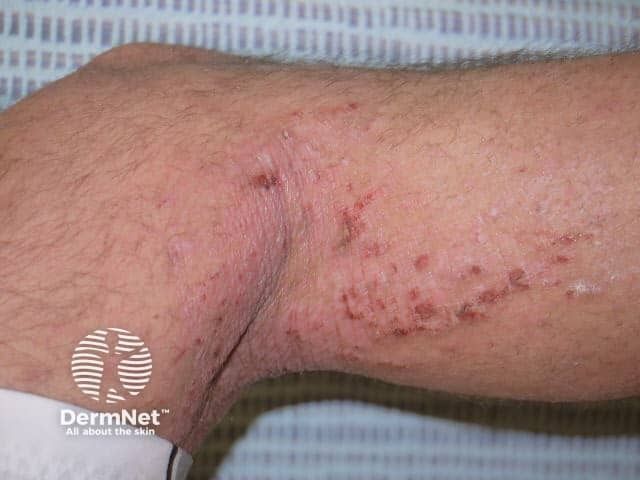
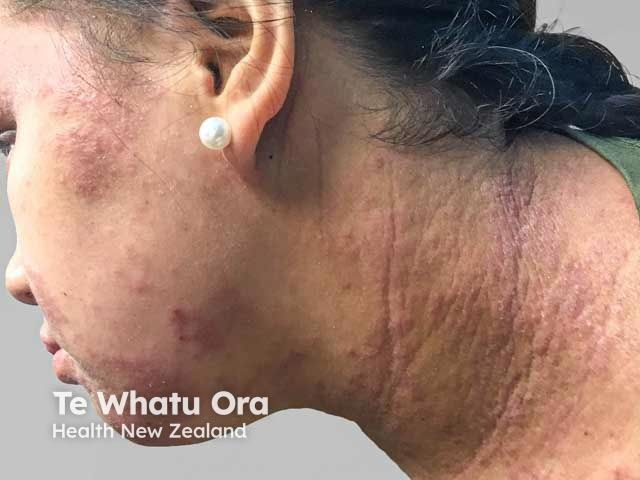

Atopic Dermatitis
Latest News
Advertisement
Latest Videos






CME Content







Advertisement
More News

Researchers reported that upadacitinib may lower the incidence of major cardiovascular events and venous thromboembolism in AD.

Peter Lio, MD, discusses innovative treatments for pediatric atopic dermatitis, including microbiome therapies and botanical options.

At a recent Dermatology Times Case-Based Roundtable event, Lisa Swanson, MD, discussed 3 diverse atopic dermatitis patient cases.
New research reveals JAK inhibitors for atopic dermatitis do not increase cardiovascular or cancer risks compared to IL-4/-13 inhibitors, offering reassurance for patients.

Acting upstream of cytokines may hold the key to improving biologic efficacy and itch relief in AD.

Discover cutting-edge insights on atopic dermatitis at RAD 2025, featuring expert discussions and the latest therapies to enhance your practice.

A new study reveals ongoing burden of moderate to severe atopic dermatitis in youth, with flares, comorbidities, and quality of life impacts.
Explore the effectiveness of basic emollients in treating xerosis cutis associated with atopic dermatitis, enhancing skin hydration and barrier function.

Sophisticated colloidal oat emollients show promise in effectively managing pediatric atopic dermatitis, enhancing skin hydration and reducing flare-ups in infants.
Discover how the RAD conference in Nashville enhances atopic dermatitis care, featuring expert insights and patient-focused strategies for clinicians.

Alexandra Golant, MD discusses how addressing severe, recalcitrant atopic dermatitis remains the most pressing unmet need, with emerging biologics, oral JAK inhibitors, and combination therapies offering promising new approaches for these challenging cases.
Alexandra Golant, MD discusses how cost considerations, insurance barriers, formulary restrictions, and effective caregiver education about proper application will significantly impact the widespread adoption of ruxolitinib cream in pediatric dermatology practice.
Alexandra Golant, MD discusses how regulatory challenges, ethical considerations in pediatric clinical trials, and limited pharmacokinetic data present significant hurdles for pediatric treatment approvals, while topical ruxolitinib cream's targeted mechanism of action and steroid-sparing benefits make it a meaningful addition for younger children.
Alexandra Golant, MD discusses how the availability of topical ruxolitinib data in children as young as age 2 could potentially shift pediatric atopic dermatitis treatment guidelines by providing a non-steroidal alternative with a favorable safety profile.
Alexandra Golant, MD, discusses how advancements in pediatric atopic dermatitis (AD) treatment, including topical Janus kinase (JAK) inhibitors like ruxolitinib, may reshape guidelines, yet hurdles remain in regulatory approval, safety data, and accessibility. Adoption depends on efficacy, cost, insurance, and caregiver education. Unmet needs persist in long-term disease control and tailored pediatric options.

Discover how upadacitinib outperforms dupilumab in providing rapid itch relief for moderate-to-severe atopic dermatitis in a recent AAD study.

DLQI score reduced by 61.8% and SCORAD score reduced by 41.8% in patients after 28 days of treatment.

Raj Chovatiya, MD, PhD, MSCI, provides insights on the clinical advantages of JAK inhibitors for atopic dermatitis.

In a recent Dermatology Times Case-Based Peer Perspectives custom video series, Naiem Issa, MD, PhD, reviewed 3 complex patient cases of atopic dermatitis.

While dietary changes can help slightly, they’re not a cure-all for most patients with AD.

James Song, MD, FAAD, discusses how emerging topical JAK inhibitors like ruxolitinib cream may reduce the necessity for systemic therapies in select pediatric atopic dermatitis patients by effectively controlling moderate disease and potentially serving as long-term maintenance therapy with a favorable safety profile.
James Song, MD, FAAD, discusses how clinicians should evaluate treatment response based on objective measures including BSA involvement, EASI scores, and pruritus ratings when determining whether to escalate from topical ruxolitinib to systemic therapy or de-escalate to maintenance treatment in pediatric atopic dermatitis patients.
James Song, MD, FAAD, discusses how topical Janus kinase inhibitors offer distinct advantages for children with moderate atopic dermatitis by providing effective inflammation control without the adverse effects of topical corticosteroids, particularly in sensitive areas like the face and intertriginous regions.
James Song, MD, FAAD, discusses how ruxolitinib cream addresses a significant treatment gap in pediatric atopic dermatitis by providing a non-steroidal topical option with efficacy comparable to medium-potency corticosteroids but without the associated safety concerns.
Advertisement
Advertisement
Trending on Dermatology Times
1
AbbVie Files for Vitiligo Indication, Putting Systemic Therapy Under Regulatory Review
2
FDA Accepts Galderma’s BLA Resubmission for Liquid Neuromodulator RelabotulinumtoxinA
3
Icotrokinra Shows Superior Efficacy Over Advanced Oral Therapies in New Psoriasis Meta-Analysis
4
Nutrafol Expands Portfolio with First and Only Hair Loss Supplement for Male Patients 50 and Older
5