




Atopic Dermatitis
Latest News
Advertisement
Latest Videos



CME Content







Advertisement
More News

Cutaneous immune-related adverse events (cirAEs) from immune checkpoint inhibitors (ICIs) show distinct immune profiles from classic skin conditions.

Amlitelimab shows promise in enhancing clinical outcomes and patient quality of life in atopic dermatitis, offering potential for long-term disease control.
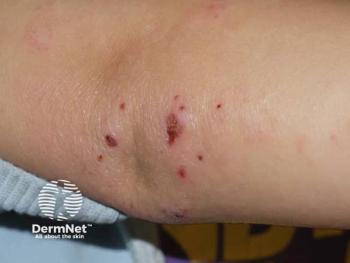
The Japanese study found no association between cutaneous events and baseline EASI scores, eosinophil counts, or IgE levels.

At a recent Dermatology Times Case-Based Roundtable, attendees discussed several challenging AD cases.
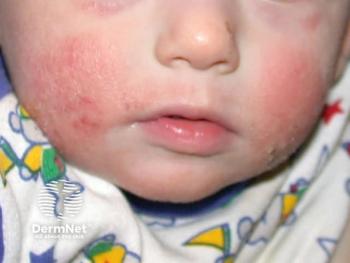
Explore the INTEGUMENT-INFANT study, assessing roflumilast cream's safety and efficacy for infants with atopic dermatitis in a groundbreaking trial.

Walter Liszewski, MD, highlights the clinical impact of patch testing and shares strategies for selecting and dosing JAK inhibitors at Elevate-Derm Summer.
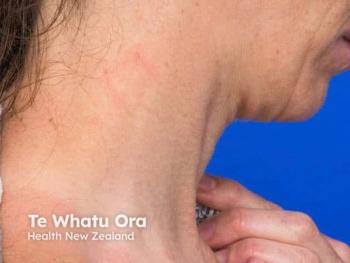
New survey data reveals gaps in atopic dermatitis treatment for pregnant women, highlighting the need for updated guidelines and better physician education.
Abrocitinib significantly improves lesion severity and pruritus in moderate to severe AD, offering a promising treatment option for patients.
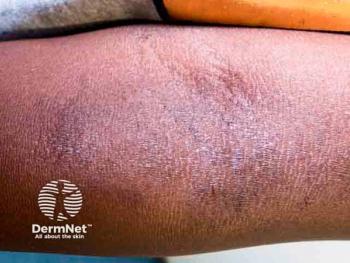
Turn Therapeutics initiates a groundbreaking clinical trial for GX-03, the first topical IL-36 inhibitor targeting moderate to severe eczema.

An expert discusses how successful atopic dermatitis management requires patient-centered care and shared decision-making, emphasizing that treatment selection should match disease impact rather than just body surface area, with both biologics and JAK inhibitors offering safe and effective options.
An expert discusses how patient preferences, particularly needle anxiety, must be balanced with treatment effectiveness, demonstrating that oral JAK inhibitors can be excellent alternatives for patients who cannot tolerate injectable biologics.

Christopher Bunick, MD, PhD, highlights how dupilumab transforms atopic dermatitis treatment in children, improving health outcomes and quality of life beyond skin symptoms.
A recent study reveals a significant link between alopecia areata severity and increased risk of atopic dermatitis, especially in adolescents.
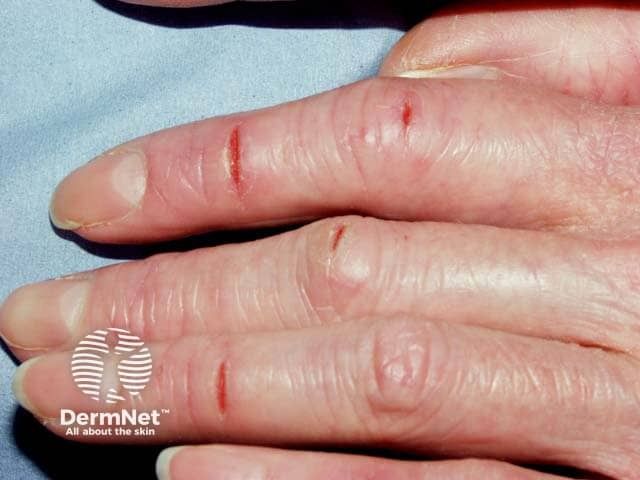
LEO Pharma reveals promising interim results for tralokinumab in treating moderate to severe atopic dermatitis on hands, enhancing patient quality of life.

Achieving optimal treatment targets and minimal disease activity significantly enhances health-related quality of life and satisfaction in patients with atopic dermatitis.

New 16-week data from the phase 2 APEX clinical trial demonstrated the anti-IL-13 antibody's efficacy across all key endpoints.
Explore the potential of whole-body cryotherapy as a novel, nonpharmacologic treatment for effectively managing atopic dermatitis symptoms.
An expert discusses how a 55-year-old African American man’s case highlights challenges in diagnosing atopic dermatitis in skin of color, emphasizing the importance of recognizing different disease presentations and addressing postinflammatory hyperpigmentation concerns.
An expert discusses how a 5-year-old child with severe atopic dermatitis affecting sleep and school performance demonstrates the need for systemic therapy escalation, with dupilumab being an ideal choice given its efficacy for both atopic dermatitis and comorbid asthma.

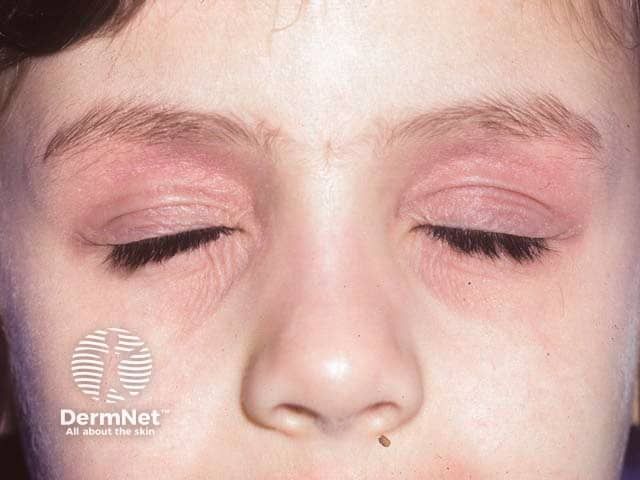
Delgocitinib ointment shows promise as an effective, well-tolerated treatment for atopic dermatitis on the face and neck, enhancing patient satisfaction and reducing adverse effects.

A new paper highlights Alphyn Biologics' Zabalafin Hydrogel as a promising multitarget therapy for atopic dermatitis, addressing inflammation, itch, and bacterial complications.

Anabela Cardoso, MD, reflects on specific data from the phase 3b ADmirable trial evaluating the safety and efficacy of lebrikizumab in patients with moderate to severe AD and pigmented skin.

Nearly all injection site reactions among patients in the ARCADIA 1/2 and OLYMPIA 1/2 clinical trials were mild and transient in nature.

Nektar Therapeutics reveals positive results from the REZOLVE-AD study, showcasing rezpegaldesleukin's efficacy in treating moderate to severe AD.

Arcutis Biotherapeutics' roflumilast cream 0.15% gains strong AAD endorsement for effective AD management in adults and children.
Advertisement
Advertisement
Trending on Dermatology Times
1
AbbVie Files for Vitiligo Indication, Putting Systemic Therapy Under Regulatory Review
2
FDA Accepts Galderma’s BLA Resubmission for Liquid Neuromodulator RelabotulinumtoxinA
3
Icotrokinra Shows Superior Efficacy Over Advanced Oral Therapies in New Psoriasis Meta-Analysis
4
Nutrafol Expands Portfolio with First and Only Hair Loss Supplement for Male Patients 50 and Older
5