




Atopic Dermatitis
Latest News
Advertisement
Latest Videos

CME Content







Advertisement
More News

Data presented at EADV 2025 on the ROCKET-SHUTTLE trial demonstrate that rocatinlimab, a T-cell rebalancing therapy, significantly improves the signs and symptoms of moderate to severe AD in adults when used with topical therapies.

A new study at EADV 2025 links atopic dermatitis to increased suicidal ideation, highlighting the condition's severe psychological impact.

New guidelines redefine short-term corticosteroid use in patients with AD, urging safer treatment transitions to advanced therapies for better outcomes.
Experts discuss innovative topical therapies for pediatric AD, emphasizing individualized treatment and the importance of managing itch and sleep quality.

Cigna’s removal of restrictions on home phototherapy, following a similar decision by Elevance Health, expands access to more than 66 million Americans.

Utilization management programs for atopic dermatitis may hinder patient care, causing treatment delays and increased costs despite advances in biologic therapies.
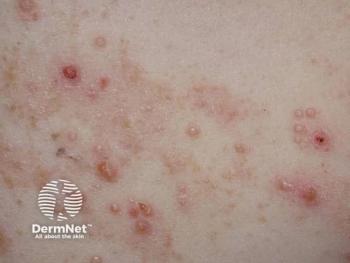
Upadacitinib maintained high EASI and itch response rates through nearly 3 years of treatment.

Explore innovative treatments for seborrheic dermatitis, including roflumilast foam, and learn about effective patient-centered care strategies.

Amlitelimab shows promising phase 3 results in treating atopic dermatitis, achieving significant skin clearance and potential for infrequent dosing.

Phase 3 topline results reveal rocatinlimab's promising safety and efficacy for moderate to severe AD, targeting the OX40 receptor.

The study found that 59% of patients achieved IGA treatment success, surpassing other topical therapies.

Cases of dermatitis in workers and consumers alike show how allergen exposure transcends occupational boundaries.
Clinicians explore innovative strategies for managing atopic dermatitis, emphasizing personalized care and the use of non-steroidal treatments for improved patient outcomes.

April Martinez-Dulay, MSN, APRN, FNP-BC, shares insights on diagnosing and treating types of dermatitis at DERM 2025, emphasizing innovative approaches and patient care strategies.
Walter Liszewski, MD, shares expert strategies for managing body surface area limitations in AD treatment using non-steroidal topicals, and explored key unmet needs in the current therapeutic landscape.

James Song, MD, FAAD, reveals insights on abrocitinib's safety in atopic dermatitis, highlighting lower conjunctivitis rates compared to dupilumab at DERM 2025.
At the Elevate-Derm Summer 2025 meeting, Walter Liszewksi, MD, discussed how new topical therapies, particularly JAK inhibitors, are transforming AD care with rapid itch relief, effectiveness in complex cases, and patient-friendly formulations for sensitive areas.

Explore expert insights from Adam Friedman, MD, FAAD, on emerging topical treatments for atopic dermatitis, featuring real-world cases and practical strategies for improving care and access.

Expanded prescribing rights for pharmacists could ease treatment delays and improve access for AD patients.
Walter Liszewski, MD, discusses the personalized and evolving treatment landscape for moderate to severe AD, emphasizing a tailored approach using new biologics and non-steroidal topicals to meet individual patient needs and expectations.
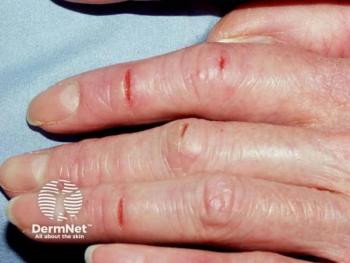
Discover how the NEA Seal of Acceptance helps clinicians recommend safe eczema products, ensuring quality and sensitivity for patients with atopic dermatitis.

Explore innovative nonsteroidal treatments for atopic dermatitis, as experts discuss personalized care strategies to enhance patient quality of life.
Explore personalized systemic therapies for atopic dermatitis, addressing patient needs, treatment options, and enhancing adherence for better outcomes.

Tina Bhutani, MD, MAS, highlights emerging topical treatments for pediatric atopic dermatitis, emphasizing improved adherence in younger children, the potential impact of ruxolitinib FDA approval for ages 2 and up, and the promise of ongoing trials in infants under 2 years.

Robert Koppel, MD, led Case-Based Roundtable attendees through 3 complex cases of atopic dermatitis that centered around available non-steroidal topicals and biologics.
Advertisement
Advertisement
Trending on Dermatology Times
1
AbbVie Files for Vitiligo Indication, Putting Systemic Therapy Under Regulatory Review
2
FDA Accepts Galderma’s BLA Resubmission for Liquid Neuromodulator RelabotulinumtoxinA
3
Icotrokinra Shows Superior Efficacy Over Advanced Oral Therapies in New Psoriasis Meta-Analysis
4
Nutrafol Expands Portfolio with First and Only Hair Loss Supplement for Male Patients 50 and Older
5