


Chesahna Kindred, MD, MBA, FAAD, highlights the need for tailored dermatological care for textured hair, addressing misdiagnoses and promoting collaboration with hairstylists.
Maddi Hebebrand is an associate editor of Dermatology Times and joined the MJH Life Sciences team in May 2024. She attended Baldwin Wallace University, studying Media Production and Film, and received her Masters in Digital Media from Ohio University. When she's not writing, Maddi loves to read, attend concerts and spend time with her family.
Chesahna Kindred, MD, MBA, FAAD, highlights the need for tailored dermatological care for textured hair, addressing misdiagnoses and promoting collaboration with hairstylists.

While survival rates were similar across income levels, lower-income patients consistently presented with more aggressive disease.
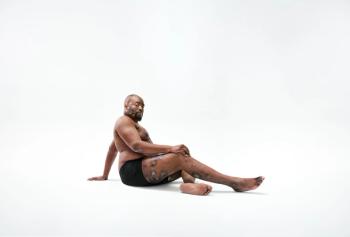
Research shows it can take 7 to 10 years for individuals with HS to receive an accurate diagnosis.
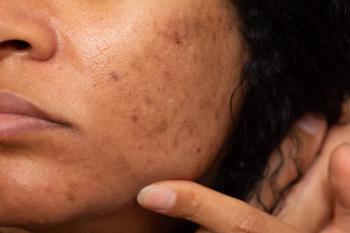
Explore the latest insights on skin and scalp care, focusing on cultural sensitivity and early intervention for diverse dermatological needs.

Explore effective strategies for managing CSU, including tailored therapies and the latest treatment advancements for optimal patient care.

The FDA cited concerns about patient population heterogeneity and confirmatory trial design.

Experts in Miami Beach emphasized that adherence often drives biologic choice more than efficacy in real-world psoriasis care.

Cases of dermatitis in workers and consumers alike show how allergen exposure transcends occupational boundaries.
Explore the top headlines of the week, including insights on the latest clinical trials, therapeutic updates, and more.

This week, we feature top articles from our sister publications on regulatory updates, clinical trial insights, and more.

Catch up on dermatology news, highlights, and insights from the past 24 hours.

Test your knowledge of key words and terms associated with dermatology news from the last month.

Advances in biologics and systemics have reshaped the lives of patients with psoriasis, offering clearer skin and joint protection.

Dermatology Times is recapping our exclusive expert interviews from the month of August.

Catch up on dermatology news, highlights, and insights from the past 24 hours.
GLP-1 receptor agonists may indirectly affect dermatologic outcomes by targeting inflammation and metabolic comorbidities.
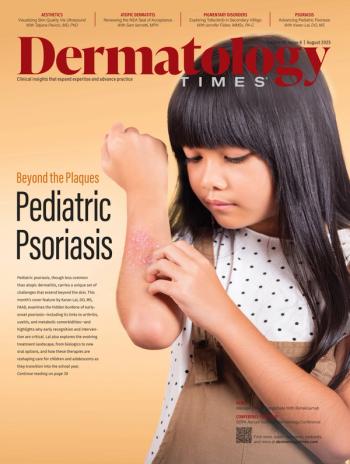
Learn more about the in-depth topics covered in the August 2025 print issue of Dermatology Times.
Case reports showed encouraging outcomes in eczema, but the company is pursuing deeper validation.

Explore the top headlines of the month, including insights on regulatory updates, expert pearls, and more.

Catch up on dermatology news, highlights, and insights from the past 24 hours.

Roundtable participants agreed the art of psoriasis management lies in aligning biologic or oral options with patient comorbidities, lifestyle, and insurance coverage.
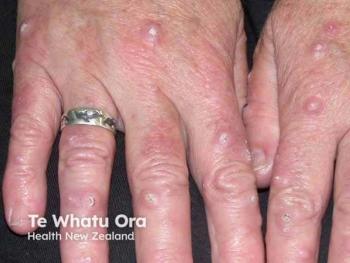
The test now provides 3 validated insights: risk of metastasis, response to ART, and risk of recurrence.
Explore the top headlines of the week, including insights on the latest clinical trials, therapeutic updates, and more.
This week, we feature top articles from our sister publications on regulatory updates, clinical trial insights, and more.

Catch up on dermatology news, highlights, and insights from the past 24 hours.

Omar Noor leads a dynamic discussion on personalized psoriasis therapy, addressing patient challenges and innovative treatment options.
Clinicians explore innovative strategies for managing atopic dermatitis, emphasizing personalized care and the use of non-steroidal treatments for improved patient outcomes.

Mentors and mentees include specialists in complex medical dermatology, pediatric dermatology, and procedural dermatology to diversify trial opportunities.

Strong mentorship provides resilience for young clinicians navigating evolving challenges in practice.
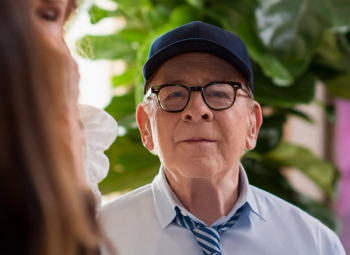
Art Garfunkel raises awareness about psoriasis, sharing his journey and the impact of tildrakizumab treatment in a campaign for support and hope.