


Artificial Intelligence (AI) enhances early detection of high-risk cutaneous squamous cell carcinoma (cSCC) by integrating advanced histopathological assessments for improved patient outcomes.
Maddi Hebebrand is an associate editor of Dermatology Times and joined the MJH Life Sciences team in May 2024. She attended Baldwin Wallace University, studying Media Production and Film, and received her Masters in Digital Media from Ohio University. When she's not writing, Maddi loves to read, attend concerts and spend time with her family.
Artificial Intelligence (AI) enhances early detection of high-risk cutaneous squamous cell carcinoma (cSCC) by integrating advanced histopathological assessments for improved patient outcomes.

Jasper Therapeutics reveals promising results from briquilimab trials for chronic spontaneous urticaria, showcasing strong efficacy and safety despite manufacturing challenges.

VYNE Therapeutics updates on VYN202, revealing promising early results in psoriasis treatment despite a clinical hold due to safety concerns.
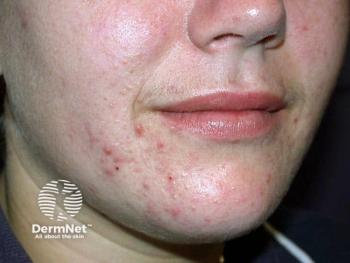
Discover the latest advancements in laser treatments for acne vulgaris, focusing on diverse skin types and effective solutions for acne skin of color.
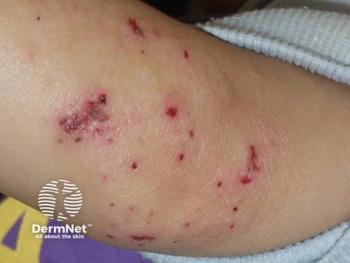
Explore the potential of whole-body cryotherapy as a novel, nonpharmacologic treatment for effectively managing atopic dermatitis symptoms.

Explore the top headlines of the week, including insights on the latest clinical trials, therapeutic updates, and more.

This week, we feature top articles from our sister publications on regulatory updates, clinical trial insights, and more.

Delgocitinib ointment shows promise as an effective, well-tolerated treatment for atopic dermatitis on the face and neck, enhancing patient satisfaction and reducing adverse effects.

Catch up on dermatology news, highlights, and insights from the past 24 hours.

E-learning enhances skin cancer detection by training professionals in optical coherence tomography (OCT) for accurate differentiation between basal cell carcinoma (BCC) and non-BCC lesions.

Catch up on dermatology news, highlights, and insights from the past 24 hours.

Medical trainees face heightened burnout, especially in dermatology, due to COVID-19's impact on emotional exhaustion and personal accomplishment.

Incyte announces the 2024 Ingenuity Awards in Vitiligo recipients, empowering vitiligo advocates and enhancing patient care through innovative initiatives.
Discover Hershel Dobkin's unique blend of humor and dermatology, offering insights that combat clinical burnout and bring joy to medical practice.

UCSD's Clean Slate Program empowers medical students through hands-on experience in tattoo removal, enhancing community health and social justice initiatives.

Explore the latest insights on IL-17 inhibitors for psoriasis, highlighting their mechanisms, real-world benefits, and future treatment strategies.
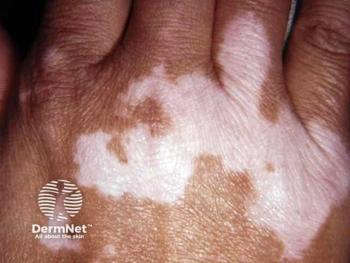
Recent research outlined 5 subtypes of vitiligo that can be used to guide therapeutic choices.
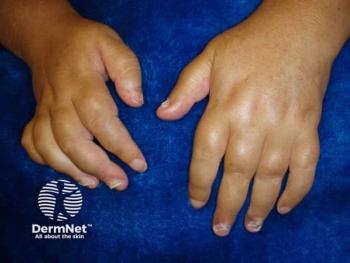
At the 2025 EULAR meeting, UCB presented new 3-year data on bimekizumab for PsA.

At the Fall Clinical PA/NP 2025 Conference, attendees caught up on the ins and outs of CHE.
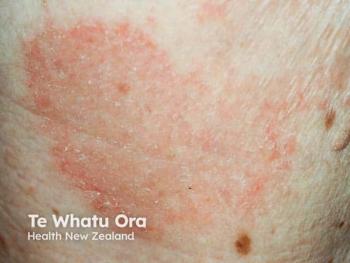
Discover innovative insights from the JADE REAL study on flexible dosing of abrocitinib for managing moderate to severe atopic dermatitis.

Recent research presented at the 2025 RAD Meeting explored the use of ruxolitinib cream in combination with systemic therapy.
Explore the top headlines of the week including insights on the latest clinical trials, therapeutic updates, and more.
This week, we feature top articles from our sister publications on regulatory updates, clinical trial insights, and more.

Co-chairs Jonathan Silverberg, MD, PhD, MPH, and Raj Chovatiya, MD, PhD, MSCI, gave insight into what attendees can look forward to at this year's meeting.

Discover the latest breakthroughs in atopic dermatitis treatment and expert insights from the RAD dermatology conference in Nashville.
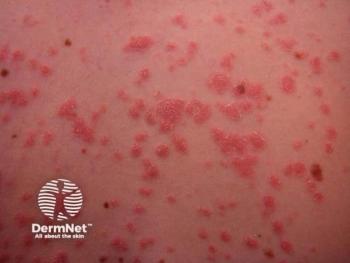
Zasocitinib emerges as a promising oral therapy for psoriasis and psoriatic arthritis, showcasing superior selectivity and safety compared to traditional JAK inhibitors.

Jonathan Silverberg, MD, PhD, MPH, walks through what to look out for in AD management.
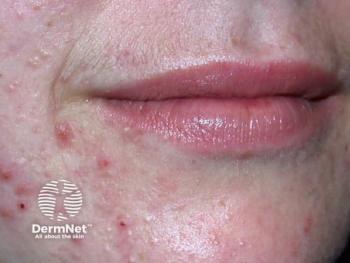
Sagimet Biosciences reveals denifanstat's promising phase 3 results, offering a novel oral treatment for moderate to severe acne with significant efficacy.

Jonathan Silverberg, MD, PhD, MPH, shares his insights on treating and managing CHE.

Explore cutting-edge insights and networking opportunities at this year's Fall Clinical Dermatology Conference for PAs and NPs, focusing on dermatology education and innovative treatments.