


Younger patients with moderate to severe psoriasis exhibit risky sun exposure behaviors, raising concerns about tanning addiction and skin cancer risks.
Younger patients with moderate to severe psoriasis exhibit risky sun exposure behaviors, raising concerns about tanning addiction and skin cancer risks.
Dermatology Times is recapping our exclusive expert interviews from the month of April.

The innovative 21-item Hair & Scalp CARE questionnaire is designed to evaluate the psychological impact of hair and scalp conditions on quality of life.

The FDA approved pz-cel, a groundbreaking gene therapy for recessive dystrophic epidermolysis bullosa, transforming treatment options for patients.
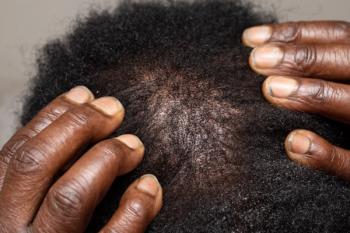
JAK inhibitors show promise in treating alopecia areata among Black patients, highlighting the need for inclusive clinical research and equitable access to therapies.

Catch up on dermatology news, highlights, and insights from the past 24 hours.

Learn more about the in-depth topics covered in the April 2025 print issue of Dermatology Times.

The groundbreaking GLPSGLT serum enhances skin quality for GLP-1 RA users, improving elasticity and reducing wrinkles in just 6 weeks.

Discover cutting-edge insights on atopic dermatitis at RAD 2025, featuring expert discussions and the latest therapies to enhance your practice.

A new study reveals a significant link between acne prevalence and high BMI in Sudanese adolescents, highlighting gender differences and the need for further research.


A new study reveals ongoing burden of moderate to severe atopic dermatitis in youth, with flares, comorbidities, and quality of life impacts.

Explore the top headlines of the week including insights on the latest clinical trials, therapeutic updates, and more.

Test your knowledge of key words and terms associated with dermatology news from the previous week.

In case you missed it, this week we had news about the future of regenerative aesthetics, biologic therapies for bullous pemphigoid, phase 3 trial results for Qtorin 3.9% rapamycin gel, and more.

This week, we feature top articles from our sister publications on regulatory updates, clinical trial insights, and more.
Catch up on dermatology news, highlights, and insights from the past 24 hours.
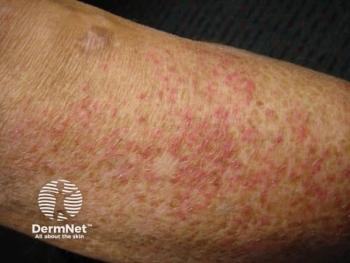
Explore the effectiveness of basic emollients in treating xerosis cutis associated with atopic dermatitis, enhancing skin hydration and barrier function.

Sophisticated colloidal oat emollients show promise in effectively managing pediatric atopic dermatitis, enhancing skin hydration and reducing flare-ups in infants.

Discover innovative rosacea treatments combining injectable hyaluronic acid with traditional therapies to enhance skin health and boost patient confidence.

A recent meta-analysis evaluates the efficacy and safety of various JAK inhibitors for alopecia areata, highlighting 12 mg twice daily deuruxolitinib as the most effective treatment.
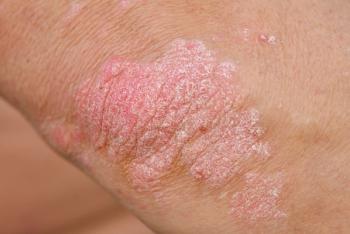
VYNE Therapeutics paused its VYN202 trial for psoriasis due to an FDA-issued clinical hold.

Discover how the RAD conference in Nashville enhances atopic dermatitis care, featuring expert insights and patient-focused strategies for clinicians.

Catch up on dermatology news, highlights, and insights from the past 24 hours.
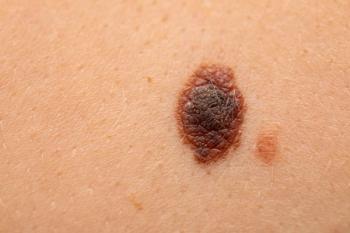
New research reveals that early discontinuation of adjuvant immunotherapy for melanoma does not lead to worse outcomes.

A pilot study reveals a dual-length microneedle RF device effectively reduces neck wrinkles by 35%, enhancing skin hydration and elasticity with minimal downtime.

Discover how upadacitinib outperforms dupilumab in providing rapid itch relief for moderate-to-severe atopic dermatitis in a recent AAD study.
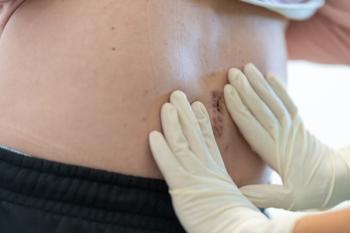
Explore how tyrosine kinase inhibitors hinder wound healing, revealing critical insights for clinicians in dermatology and oncology.

AbbVie seeks FDA approval for TrenibotE, a first-in-class botulinum toxin offering fast onset and short duration for glabellar lines.

DLQI score reduced by 61.8% and SCORAD score reduced by 41.8% in patients after 28 days of treatment.