


Catch up on dermatology news, highlights, and insights from the past 24 hours.
Catch up on dermatology news, highlights, and insights from the past 24 hours.

New research reveals a promising strategy to slow type 1 diabetes progression by targeting inflammation with an existing psoriasis drug.
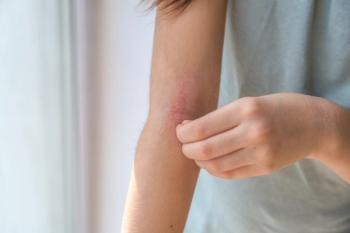
Researchers reveal TRIV-509, a novel monoclonal antibody, shows promise in rapidly improving atopic dermatitis by restoring skin barrier integrity and reducing inflammation.

Discover how a novel nutraceutical significantly improves mild to moderate acne in a 12-week clinical trial, offering a holistic approach to skin health.

Even with the recent rise of social media guidance, patients still trust dermatologists over social media influencers for acne treatment.

Explore the promising role of JAK inhibitors in vitiligo management, highlighting efficacy, safety, and potential combination therapies for enhanced results.
Raj Chovatiya, MD, PhD, MSCI, discusses how IL-13 and IL-31 inhibitors represent distinct yet complementary mechanisms in the management of atopic dermatitis.

To hear more about AD advancements from Shahriari and Lio in person, register to attend the Revolutionizing Atopic Dermatitis Conference 2025 in Nashville, Tennessee, on June 6 and 7.
Catch up on dermatology news, highlights, and insights from the past 24 hours.

Seven dermatologists have received GLODERM x CeraVe Access Grants to expand skin care access in underserved communities worldwide.
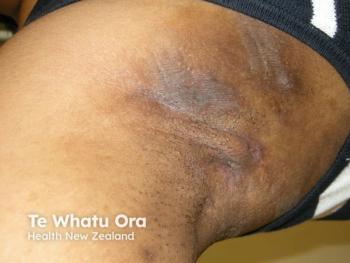
Explore the critical need for diversity in hidradenitis suppurativa clinical trials to address health inequities and improve patient outcomes.

In honor of Melanoma Awareness Month, Glowbar CEO Rachel Liverman spoke to Dermatology Times about this new collaboration, which aims to increase patients' daily sunscreen use by 2026.

Christopher Bunick, MD, PhD, explains why composite endpoints are now critical for evaluating patient outcomes in AD therapy.

Discover the latest advancements in pediatric atopic dermatitis care, featuring expert insights on innovative treatments and family-centered management strategies.
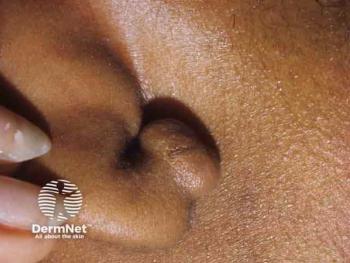
Discover an innovative non-surgical keloid treatment protocol that achieves high satisfaction and low recurrence rates for patients with darker skin tones.

In a new study, AI-driven personalized treatments significantly enhanced hair growth and scalp health, offering innovative solutions for hair loss management.

Explore the evolving landscape of dermatology as experts emphasize the importance of cross-specialty collaboration and patient-centered care in aesthetic medicine.

Explore the top headlines of the week including insights on the latest clinical trials, therapeutic updates, and more.

Test your knowledge of key words and terms associated with dermatology news from the previous week.

In case you missed it, this week we had news about roflumilast’s dual-site efficacy in psoriasis patients, melanoma care in the United States, phase 2a safety and efficacy results of AX-158, and more.

This week, we feature top articles from our sister publications on regulatory updates, clinical trial insights, and more.

Put your dermatology expertise to the test with Dermatology Times’ interactive quiz series!

Catch up on dermatology news, highlights, and insights from the past 24 hours.
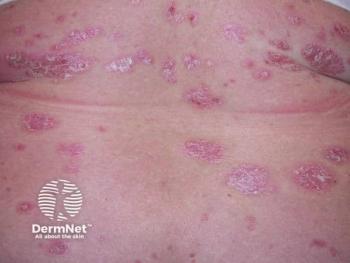
Abrocitinib’s targeted inhibition of JAK1 offers effective control of AD, but may, in rare instances, lead to a shift in immune expression resulting in paradoxical psoriasis.
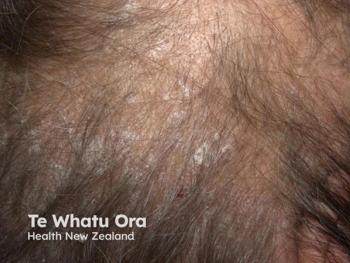
Johnson & Johnson's icotrokinra shows promising results in treating moderate plaque psoriasis, especially in challenging areas like the scalp and genitals.

Explore the evolving landscape of dermatology as experts emphasize the importance of cross-specialty collaboration and patient-centered care in aesthetic medicine.

The promising safety and efficacy results were presented at the Society for Investigative Dermatology 2025 Annual Meeting.

Desai reflects on his AAD presidency, addressing Medicare challenges, technological advancements, and the future of dermatology leadership.

Significant unmet needs were found among high-quality validation studies on the internal structure of PROMs specific to alopecia areata.

Explore the urgent need for improved skin cancer awareness and care for minority populations, addressing disparities in diagnosis and treatment.