












In a presentation at the current AAD annual meeting, experts discussed differential diagnoses and clinical presentations in birthmarks and hamartomas.
In a presentation at the current AAD annual meeting, experts discussed differential diagnoses and clinical presentations in birthmarks and hamartomas.

Lawrence Eichenfield, MD, provides the newest updates in pediatric patient care, with a special update on COVID-19 skin symptoms in children.
Cantharidin 0.7% could be an emerging standard for molluscum treatment.
Ted Rosen, MD, and Sheila Fallon Friedlander, MD, discuss infectious disease updates at the virtual Maui Derm NP+PA Fall 2021 conference.

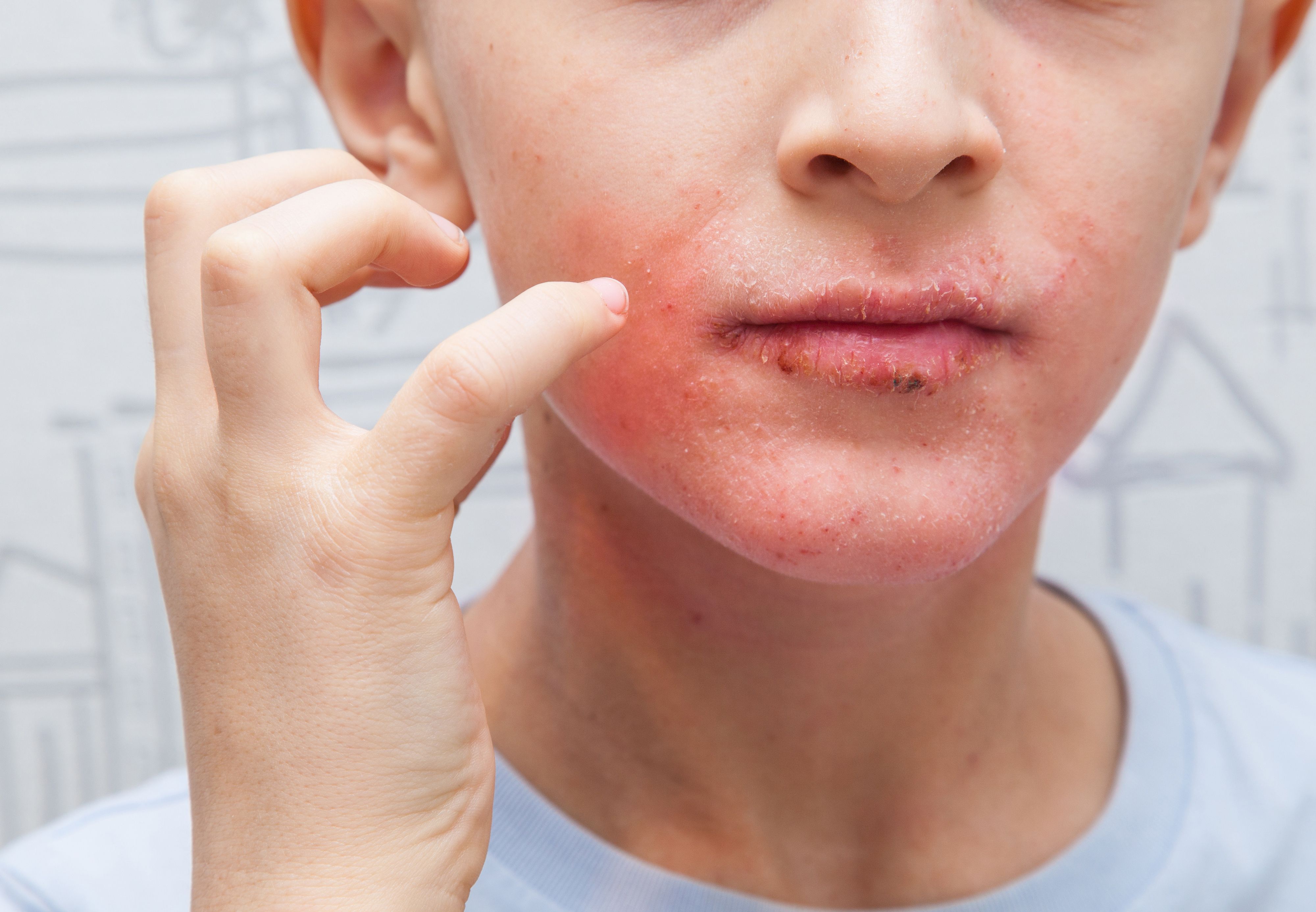
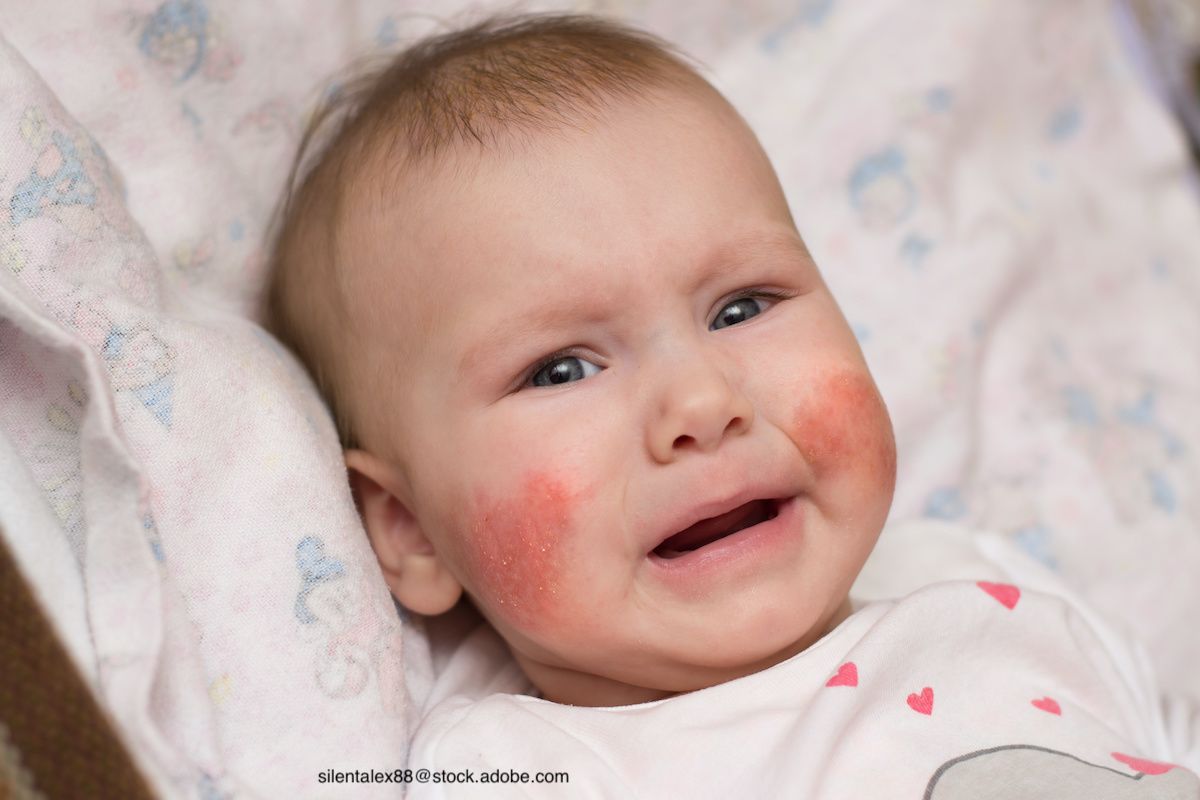
At Maui Derm NP+PA Fall 2021, Vikash S. Oza, MD, and Matthew J. Zirwas, MD, discuss the current Rx and Dx of atopic dermatitis in children.

According to a study in Annals of Dermatology and Venerology, pediatric patients with psoriasis in France frequently missed dermatologic consultations.

Some systemic medications may have increased risk for patients during the COVID-19 era, according to a recent Pediatric Dermatology Research Alliance (PeDRA) statement.
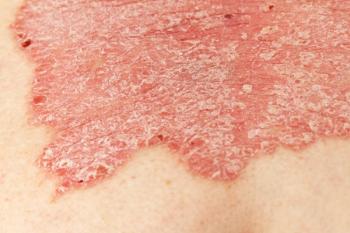
COVID-19’s lingering impact brings new considerations for treatment regimens for pediatric patients with psoriasis.

Many conditions are different in the pediatric population than in the adult population. How does hidradenitis suppurativa differ between the 2 groups?
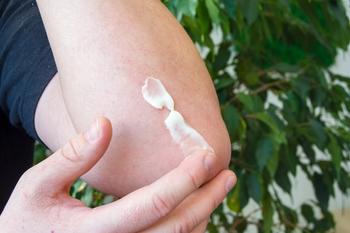
A phase 3 trial studied the effectiveness of oral abrocitinib along with topical therapy for moderate-to-severe atopic dermatitis in teens.

In this episode, Alberto Pappo, MD, director, St. Jude Solid Tumor Division, discusses a registry he helped create aimed at helping physicians better understand pediatric melanoma called Molecular Analysis of Childhood MELanocytic Tumors (MACMEL).
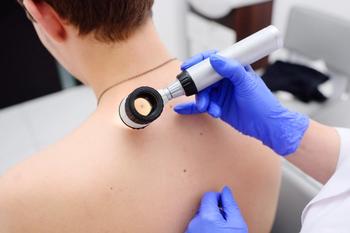
In this video interview, Alberto Pappo, MD, director, St. Jude Solid Tumor Division, discusses a registry he helped create aimed at helping physicians better understand pediatric melanoma called Molecular Analysis of Childhood MELanocytic Tumors (MACMEL).
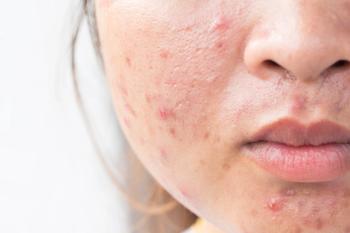
Twyneo, a tretinoin and benzoyl peroxide cream, has been approved by the FDA for the treatment of acne vulgaris in patients 9 years and older.

Camp Wonder, a camp that supports kids with skin disease and is sponsored by Galderma, is celebrating their 20th year of operations this week.
New and forthcoming options bring opportunity for optimizing patient care.
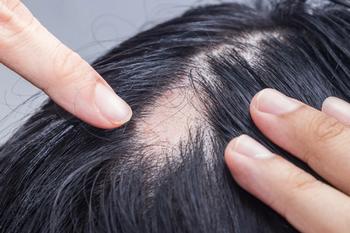
Hair regrowth was observed after starting dupilumab treatment in some pediatric patients with a history of severe and refractory alopecia areata (AA) and concomitant atopic dermatitis (AD).

John Browning, MD, FAAD, FAAP, MBA, discusses the impact of the recent FDA approval of secukinumab (Cosentyx, Novartis) for the treatment of moderate to severe plaque psoriasis in children and adolescents.

More than 90% of respondents to a recent survey expressed concern about acne’s effect on their adolescent’s mental health and social life.

Secukinumab (Cosentyx, Novartis) has received FDA approval for the treatment of children and adolescents with moderate to severe plaque psoriasis.

In the final part of our interview with Hilary Baldwin, MD, she details her own personal account of how she handled her daughters' acne and her advice to other dermatologists who are also parents.

In part 2 of our exclusive video interview with Hilary Baldwin, MD, she discusses new treatments for acne and how to ensure compliance of these treatments among your young patients.

In part 1 of this video interview, Hilary Baldwin, MD, explains her findings from a recently conducted survey investigating the effects of acne on both teenagers and their parents.

According to objective and subjective measures, children with more severe atopic dermatitis were more likely to report a learning disability.

Given the high prevalence of Kawasaki disease during the pandemic, Japanese investigators determined that droplet or contact transmission of pathogens is likely not a major route causing the development of the disease.

An investigation examines which infants might require screening before peanut introduction.