

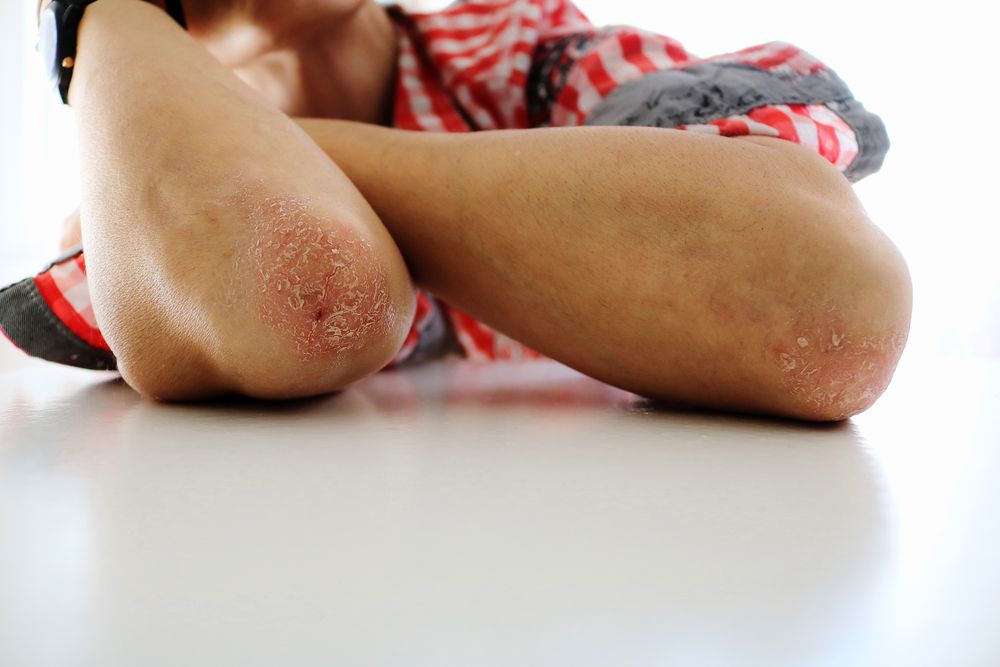









Obesity appears to be an important independent risk factor for children with psoriasis who go on to develop cormorbidities, such as hypertension and diabetes, a study shows.

Obesity appears to be an important independent risk factor for children with psoriasis who go on to develop cormorbidities, such as hypertension and diabetes, a study shows.

A summary of treatments for atopic dermatitis in children.
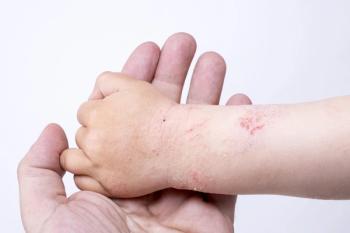
Physicians spell out knowns and unknowns associated with treating pediatric atopic dermatitis.

FDA approves early, pre-approval trials for pediatric cases
Oral propranolol may be safe for infants with uncomplicated hemangiomas, but for those with underlying health conditions, it may not always be the treatment of choice.

Pediatric melanomas are often misdiagnosed by physicians. Adolescents have a more aggressive disease course than children and are treated with adult protocols leading to chronic morbidity.
Photos taken by parents and submitted by smartphone are usually of sufficient quality to allow accurate diagnosis of some common pediatric skin conditions, results of a recent study in JAMA Dermatology suggests.

Pediatric dermatologist Alanna Bree, M.D., left a secure position with a well-respected hospital to embark on a faith-filled professional journey. In this profile, Dr. Bree shares her story of practice, discovery and renewal.
Bronchial hyperreactivity associated with propranolol treatment for infantile hemangiomas may be due to age and low body weight, study shows.
Stress factors mothers experience before, during and soon after pregnancy can increase eczema risk in their children, according to a systematic review published Feb. 25, 2018 in The International Journal of Environmental Research and Public Health.
Pediatricians respond to the first successful gene therapy treatment for epidermolysis bullosa.
A daily capsule of a cocktail of probiotics may reduce both the severity symptoms in moderate atopic dermatitis and the need for topical corticosteroids to treat symptom flare ups in children.
In this article, Drs. Lawrence Eichenfield and Jessica Sprague review some of the most significant findings and developments in pediatric dermatology from the last year beginning with the availability of biologic agents for pediatric psoriasis and atopic dermatitis.
National Psoriasis Foundation has launched a new website specifically designed for the information needs of children and teens who have psoriatic arthritis.
Evidence does not support use of common treatments for molluscum contagiosum infections. Natural resolution may be best.
Vitamin D deficiency in children is associated with being overweight while sufficiency is associated with a healthy BMI, researchers reported in December.
In this slideshow, we summarize the phenotypes associated with childhood atopic dermatitis as addressed recently in JAMA Pediatrics.
You might be surprised about what researchers have uncovered about why teens tan. Having a better understanding of their motives, could help you help them.
Despite burgeoning interest in the field, the demand for pediatric dermatology services continues to remain high and outstrip existing supply.
A strain of Propionibacterium acnes may contain properties that protect the skin from harmful bacteria, results of a study indicate.
More states and municipalities are considering enacting laws that would restrict minors from using indoor tanning facilities.
Most tanning salons in Missouri would allow children as young as age 10 to tan if there were no legal restrictions against doing so, according to results of a survey conducted by researchers.
The Food and Drug Administration has approved the topical acne drug Epiduo (adapalene 01. percent/benzoyl peroxide 2.5 percent, Galderma) in children ages 9 and older, according to a news release.
Although the vast majority of children who present with a challenging eczematous eruption have refractory atopic dermatitis or poor medication compliance, clinicians need to perform a good history and clinical examination to rule out other underlying causes or comorbidities.
I am inherently skeptical of rules. But I also appreciate their potential value. Many rules are good and intended to ensure societal order, support justice and minimize error. I'm especially a fan of well-designed rules intended to control the strong personal gain incentive. But complex rules incorporate details that the devil loves to manipulate.