


Pediatric Dermatology
Latest News

Advertisement
Latest Videos



CME Content





Advertisement
More News
At the SDPA Fall Conference, Miranti emphasized the importance of targeted, comprehensive acne therapies and inspired attendees to embrace pediatric dermatology as a rewarding subspecialty.

The LIBERTY-AD PED-OLE study showed clinical remission for moderate to severe atopic dermatitis.

Survey results presented at ACAAI’s annual Scientific Meeting demonstrate the limited influence of elimination diets for reducing symptoms of AD.

With this combined administration, patients saw noticeable and lasting improvements in severe cases of AD.
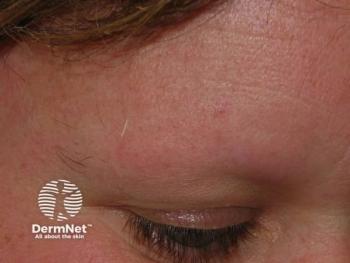
A recent review found hair loss can severely impact self-esteem and body image, leading to social anxiety and emotional distress among affected youth.
The trial showcased the continued efficacy of apremilast, with 2-year data on the forefront.

Research Observe, Classify Adverse Event Profiles for Pediatric Patients Treated With JAK Inhibitors
The review assessed infections, gastrointestinal AEs, blood and lymphatic disorders, and nervous system and musculoskeletal/connective tissue disorders.
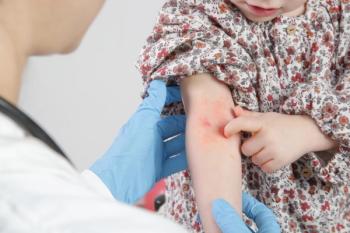
Dermatology Times spoke with Leah Howard, JD, of the NPF, and Trisha, the mother of a young girl with psoriasis, to discuss Otezla's implications in the therapeutic landscape.
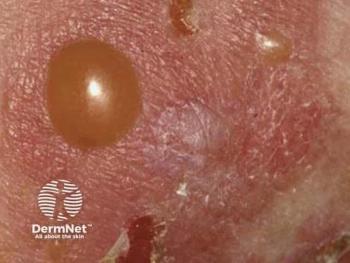
Bullous pemphigoid in youth is rare and can be missed due to negative BP180 ELISA results, complicating timely diagnosis in children.
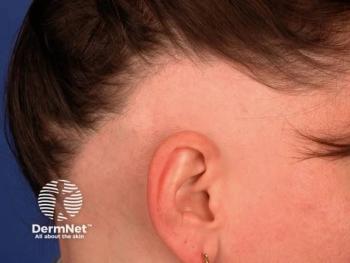
Approximately 8.8% of patients achieved complete response a year after onset of diphenylcyclopropenone therapy.

John Browning, MD, FAAD, FAAP, MBA, discusses the new online platform that allows young patients to share their skin journey with others.

Michele Ramien, MD, discusses biologic therapies for pediatric dermatology, focusing on their impact on vaccines, managing side effects, and tailoring treatment.
From ER visits for dystrophic epidermolysis bullosa to rates of axillary hyperhidrosis, catch up on top pediatric insights from July.

Researchers conducted an assessment of the Nationwide Emergency Department Sample to analyze frequency of visits attributed to young patients with DEB.

A recent case series reviewed the treatment patterns and effects of therapies on 89 pediatric patients with CCD.

Four APPs emphasized the vital role of advanced practice providers in improving patient care and expanding service access.

The AICHI study found a significant prevalence of severe primary axillary hyperhidrosis in children in Japan, according to a poster presented at the SPD's annual meeting.
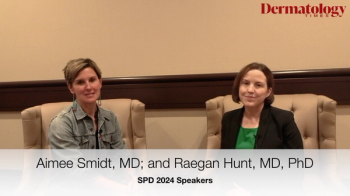
Smidt and Hunt offer insights on navigating pediatric dermatology decision-making, emphasizing learning from clinical scenarios and fostering a culture of feedback and improvement.

Oleogel-10 exhibited potential to alleviate the physical, emotional, and economic strain of dressing changes, according to a poster presented at the SPD's annual meeting.

Tapinarof cream 1% has proven to be an effective and safe treatment for atopic dermatitis in diverse populations, according to a poster presented at the SPD's annual meeting.

TMB-001 0.05% demonstrates promising efficacy and safety in treating moderate to severe congenital ichthyosis, according to a poster presented at the SPD's annual meeting.
In this episode, Vikash Oza, MD, and James Treat, MD, discuss their SPD 2024 session (debate) revolving around the topic: Does food trigger eczema?
Nnena Agim, MD, presented a comprehensive update on non-steroidal topical therapies, highlighting off-label uses and recent FDA approvals in a session at the SPD's annual meeting.

Andrea Zaenglein, MD, discussed the role of patient counseling and addressing "hormone phobia" in young patients treated with hormonal therapies for acne in her SPD 2024 session.
Swanson discusses her SPD 2024 non-CME talk, expanding topical options for young patients, and more.
Advertisement
Advertisement
Trending on Dermatology Times
1
FDA Accepts Galderma’s BLA Resubmission for Liquid Neuromodulator RelabotulinumtoxinA
2
AbbVie Files for Vitiligo Indication, Putting Systemic Therapy Under Regulatory Review
3
Introducing Dermatology Times NP/PA Connect
4
Icotrokinra Shows Superior Efficacy Over Advanced Oral Therapies in New Psoriasis Meta-Analysis
5