




Acne
Latest News
Advertisement
Latest Videos



CME Content






Advertisement
More News
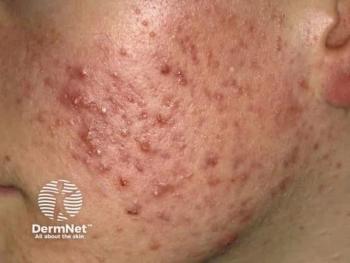
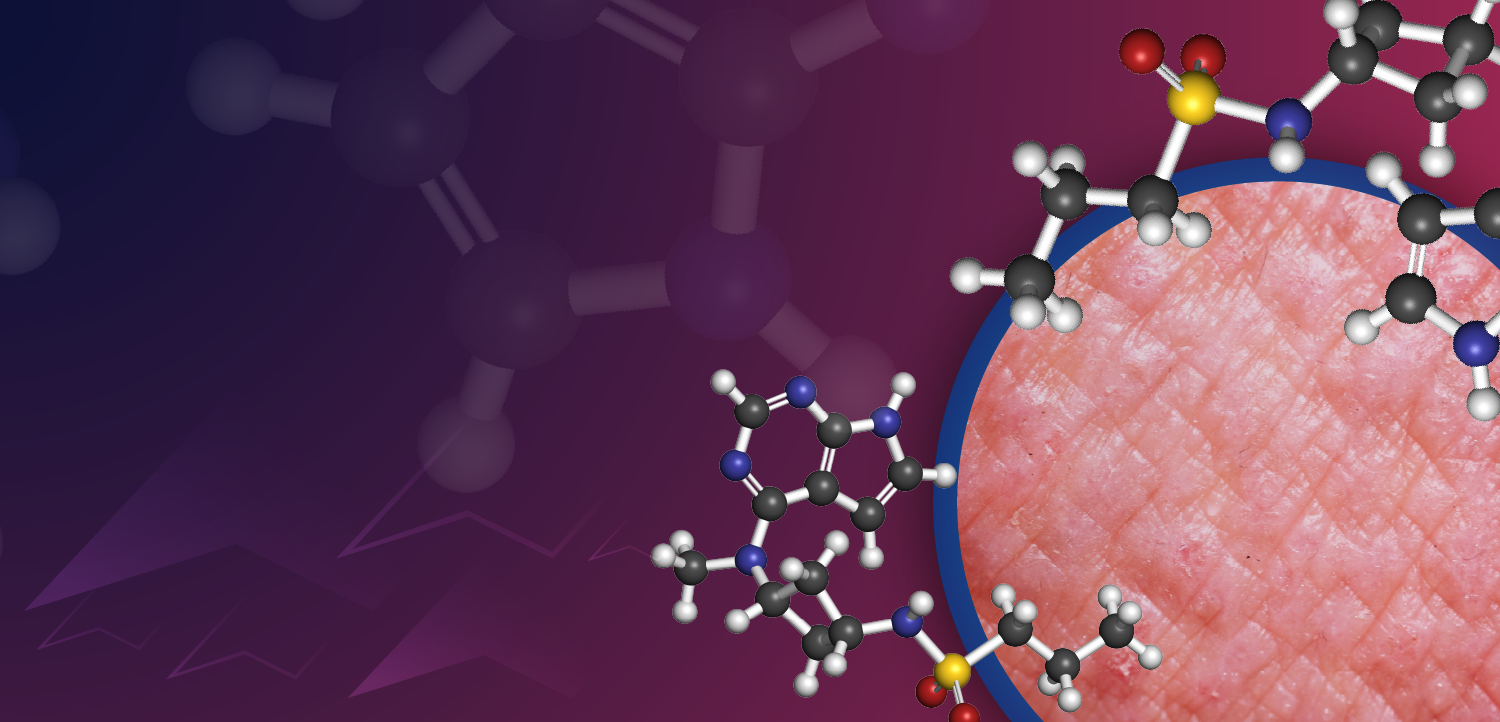
The study demonstrated significant reductions in inflammatory and non-inflammatory lesions for Hispanic patients using CAB gel.

As news of benzene contamination in benzoyl peroxide products continues to raise safety discussions, Steve Xu, MD, MSc, advocates for stricter regulations, increased research, and the consideration of safer acne treatment alternatives.
Learn more about the in-depth topics covered in the October 2024 acne supplement of Dermatology Times.
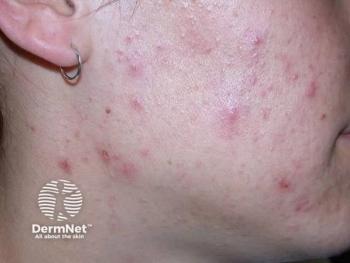
The clinical trial showed promising results for patients who used probiotics as an accompanying treatment.
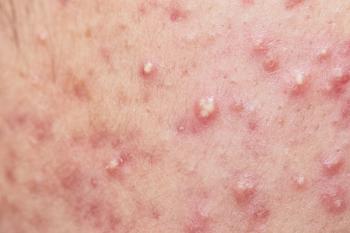
The recent meta-analysis revealed comparable efficacy in treating acne vulgaris and was presented at Fall Clinical 2024.
In a Dermatology Times Case-Based Roundtable event, Heather Woolery-Lloyd, MD, shared pearls for challenging acne cases.
In a Dermatology Times Case-Based Roundtable event, James Del Rosso, DO, shared pearls for challenging acne cases.
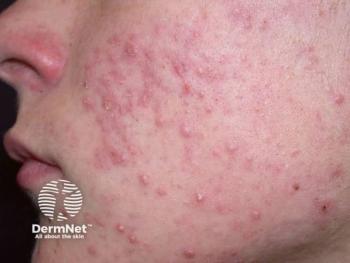
This new indication adds to existing clearance of a non-drug treatment for mild to severe inflammatory acne vulgaris.

Christopher Bunick, MD, PhD, reviews the latest findings on benzene in benzoyl peroxide, highlighting the importance of proper storage and patient safety.

Experts shared pearls for acne and rosacea care at Maui Derm NP+PA Fall.
In a Dermatology Times Case-Based Roundtable event, Hilary Baldwin, MD, shared pearls for challenging acne cases.
Light delves into the science behind the new peer-reviewed data assessing benzene presence and formation in benzoyl peroxide products.

New peer-reviewed research published in the Journal of Investigative Dermatology examined 111 products at room temperature.

Del Rosso’s cases emphasized the importance of thorough patient evaluation and communication with other health care providers.
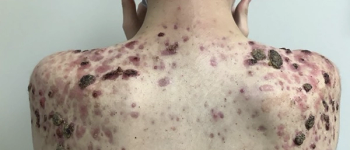
Shanna Miranti, MMS, PA-C, reviews 2 patient cases of pseudo acne fulminans, offering perspectives on treatment and management strategies.

Acne vulgaris has been reported as an adverse effect of GLP-1 receptor agonists by some patients.
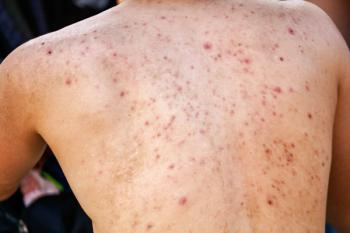
Over 6 weeks, most saw patients saw improvement, with daily medication linked to better quality of life and reduced skin picking.
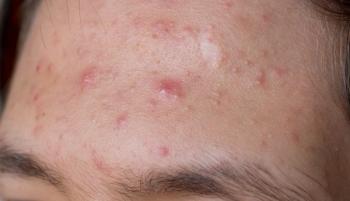
At the correct dosage, researchers noted non-significant changes in BMI or metabolic syndrome markers among patients.

Although EBDs provided improvements over controls, they did not match the sebum reduction levels achieved by isotretinoin or hormonal therapies.
A recent study revealed that CO2 fractional laser was significantly more effective than microneedling for acne treatment with ALA-PDT.

While FDA action is awaited, dermatology clinicians can suggest BPO-free alternatives such as retinoids, salicylic acid, and more.
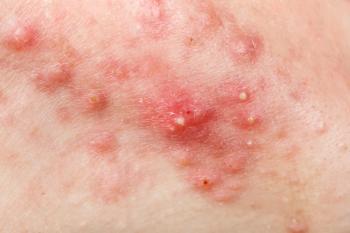
Patients with acne also had higher rates of abnormal zinc and vitamin D levels, especially in severe cases.

Investigators looked into pollutant-induced disruption of the skin barrier, increased transepidermal water loss, and heightened inflammatory responses.
The lotion effectively rebalanced the microbiota, reduced erythema and desquamation, and improved acne severity.
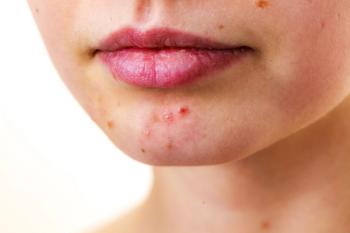
Social media misinformation related to acne vulgaris may require clinician intervention when discussing treatment with patients.
Advertisement
Advertisement
Trending on Dermatology Times
1
FDA Accepts Galderma’s BLA Resubmission for Liquid Neuromodulator RelabotulinumtoxinA
2
AbbVie Files for Vitiligo Indication, Putting Systemic Therapy Under Regulatory Review
3
Icotrokinra Shows Superior Efficacy Over Advanced Oral Therapies in New Psoriasis Meta-Analysis
4
Introducing Dermatology Times NP/PA Connect
5