

More luminous skin with reduced fine lines and hyperpigmentation was seen as early as 2 weeks.
Marie Bosslett is the assistant editor of Dermatology Times® and joined the MJH Life Sciences team in October 2024. She attended Loyola University Maryland in Baltimore and earned a Bachelor of Arts in Communication with minors in marketing and writing. When she’s not writing, Marie enjoys going to concerts, reading on the beach, and spending time with friends and family.
More luminous skin with reduced fine lines and hyperpigmentation was seen as early as 2 weeks.

Compared to minoxidil alone, the combination therapy saw no significant differences in hair count and diameter.

Combining synchronized radiofrequency with high intensity facial electrical stimulation led to firmer, smoother, and more lifted skin.
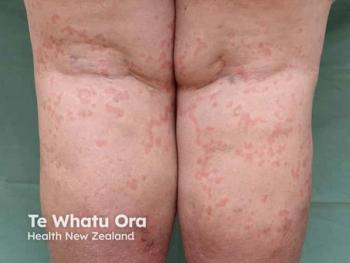
According to a phase 3 study, the omalizumab biosimilar saw comparable results with a good safety profile.

These efficacy results and safety profile confirm what was observed in phase 1 study.
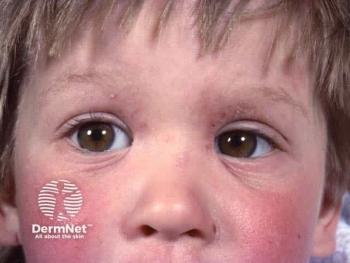
Researchers analyzed stratum corneum hydration and transepidermal water loss across 15 regions of the skin.
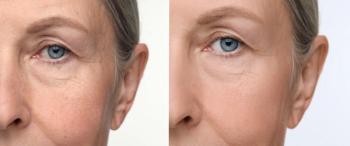
Patients saw notable improvements in skin hydration, firmness, elasticity, and radiance after 4 and 12 weeks.

Although HA and other methods are safe, more reliable data is needed to determine which is most effective.
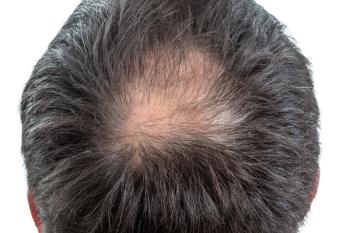
When compared to the placebo, hair growth and quality significantly improved by day 180.
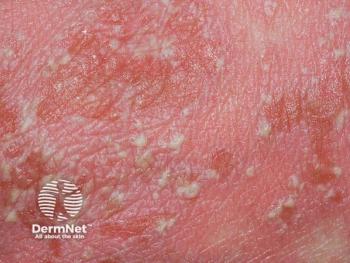
In a real-world study, 10 children with generalized pustular psoriasis saw sustained improvements up to 160 weeks.

In case you missed it, this week we had news about AIs and CNNs for early melanoma detection, OCT Technology for vitiligo imaging, UCB’s 320mg single-injection bimekizumab, and more.

The addition of a dermocosmetic cleanser and moisturizer also lessened the adverse events commonly associated with retinoid use.
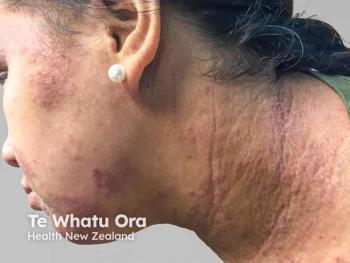
According to a systemic review, both topical and oral antifungal therapies are insufficient for managing the disease.

The use of a pre-gel and cleansing lotion regimen saw an improvement rate of 80% for patients with seborrheic dermatitis.
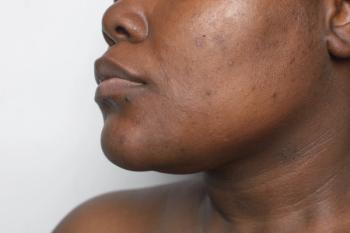
Patients saw a 15.8% significant decrease in Post Acne Hyperpigmentation Index score after just 84 days.
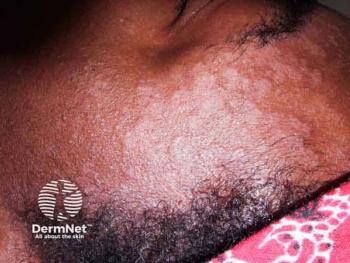
Investigators found strong correlations between certain eating habits, BMI, psychoemotional status, and SD occurrence.

Although more evidence is needed, CNNs could potentially be most effective in diagnosing patients with vitiligo.
“As good as we saw results in 1 month, we think we'll see even more remarkable results over the 6 months of treatment,” Edelson said in an interview with Dermatology Times.
Disease severity improved from severe to mild after just 6 weeks of twice daily dosage.

Jon Edelson, MD, CEO of Eirion, confirms that topical ET-02 is a completely new approach to treating this type of hair loss.

The new partnership will advance the commercialization of small molecule oral STAT6 for patients around the world.
In case you missed it, this week we had news about phase 2b enrollment for VYNE’s vitiligo gel, the impact of anti-inflammatory moisturizers for AD, the newly FDA-approved DermiSphere hDRT, and more.
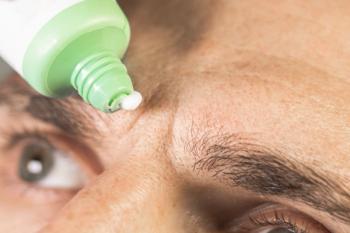
93.4% of patients saw a positive change in the appearance of forehead wrinkles after 8 weeks of use.

Patients saw an average clearance rate of 74.46% after just 1 session of laser therapy.

The 5% dosage showed a 6-fold increase in non-vellus hair count after just 5 weeks.
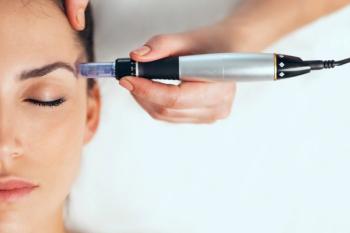
A recent systemic review found FRM to be an effective treatment modality on its own for managing facial acne scars.

The company is currently recruiting participants to demonstrate the benefits of its BioREtain technology.

The synergistic approach reduced submental fullness, enhanced mandible line definition, and improved chin projection.
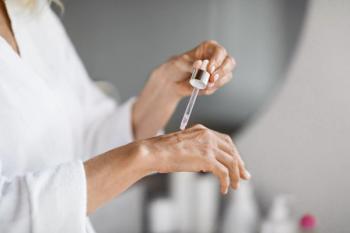
The stable preparation combined vitamin C and hyaluronic acid with complexed ubiquinone in this initial study.

With further research, plants such as licorice, tomato, and parsley, could eventually be promising alternatives for melasma patients.