

Michael O'Donoghue, MD, discusses tailoring PDT for AK, emphasizing patient preferences and flexible treatment strategies.
Maddi Hebebrand is an associate editor of Dermatology Times and joined the MJH Life Sciences team in May 2024. She attended Baldwin Wallace University, studying Media Production and Film, and received her Masters in Digital Media from Ohio University. When she's not writing, Maddi loves to read, attend concerts and spend time with her family.
Michael O'Donoghue, MD, discusses tailoring PDT for AK, emphasizing patient preferences and flexible treatment strategies.

A WhatsApp-based pilot study revealed high patient knowledge and significant challenges in managing CSU among Spanish speakers.
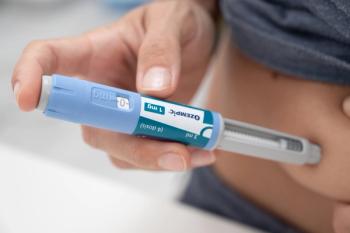
Public interest in GLP-1 weight loss medications surges, revealing concerns about aesthetic effects like "Ozempic face" and prompting new treatment strategies.

Explore the top headlines of the week, including insights on the latest clinical trials, therapeutic updates, and more.

This week, we feature top articles from our sister publications on regulatory updates, clinical trial insights, and more.

Psoriasis impacts physical and emotional health, with hidden burdens like trauma and IPV affecting quality of life and care access.
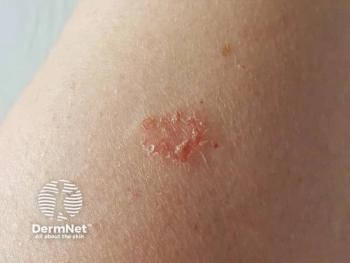
Almirall initiates a pivotal phase 3 trial for lebrikizumab, targeting nummular eczema and aiming to enhance treatment options for this challenging condition.
Heap discusses promising phase 3 results for zasocitinib, an oral TYK2 inhibitor, showcasing its efficacy and safety in psoriasis therapy.
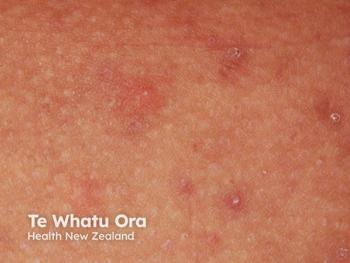
Topical roflumilast 0.3% cream shows promise in reducing lesions and symptoms of mild hidradenitis suppurativa (HS), offering a well-tolerated treatment option.

Explore the complexities of managing hidradenitis suppurativa (HS) through real-world case studies moderated by Afsaneh Alavi, MD.
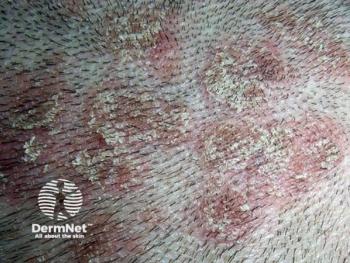
The National Psoriasis Foundation (NPF) redefines psoriasis severity, emphasizing disease impact over extent, enhancing treatment access, and aligning clinical practice with patient needs.

Connect Biopharma reveals innovative data on rademikibart's mechanism of action, highlighting its potential impact on atopic dermatitis and future clinical priorities.
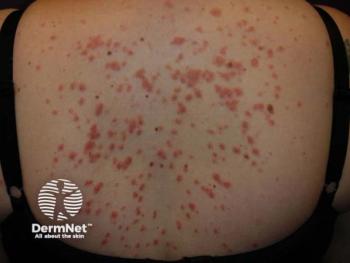
Zasocitinib emerges as a highly selective and potent allosteric tyrosine kinase 2 (TYK2) inhibitor, showing promise for treating immune-mediated inflammatory diseases.
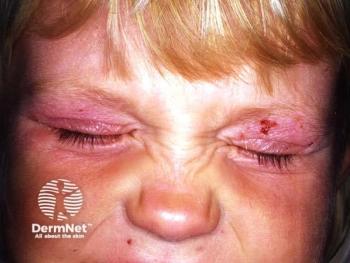
Dupilumab demonstrates significant efficacy and safety in treating severe atopic dermatitis in children aged 6 months to 5 years, improving quality of life.
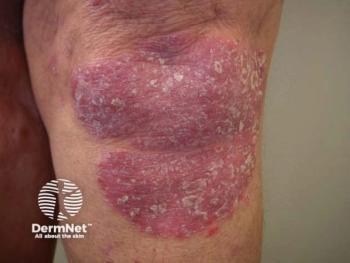
Oruka Therapeutics reveals promising interim results for ORKA-002 and launches the EVERLAST-B trial for ORKA-001, targeting chronic skin diseases.
Explore the top headlines of the week, including insights on the latest clinical trials, therapeutic updates, and more.
This week, we feature top articles from our sister publications on regulatory updates, clinical trial insights, and more.
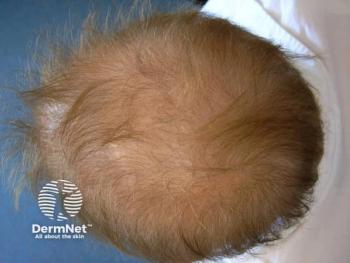
Discover how vitamin D receptor signaling influences hair follicle health and alopecia, revealing new therapeutic possibilities for hair loss management.
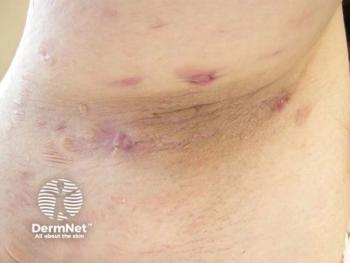
Navigator Medicines advances NAV-240 and NAV-242, targeting dual inflammation pathways for hidradenitis suppurativa in upcoming clinical trials.
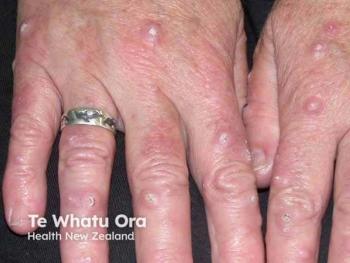
Research reveals that structural changes in neoantigens enhance tumor rejection, offering new insights for personalized cancer immunotherapies.

MoonLake Immunotherapeutics shares promising updates on sonelokimab's efficacy for hidradenitis suppurativa.

Johnson & Johnson reveals JNJ-95475939's early termination due to insufficient efficacy in treating moderate to severe atopic dermatitis.
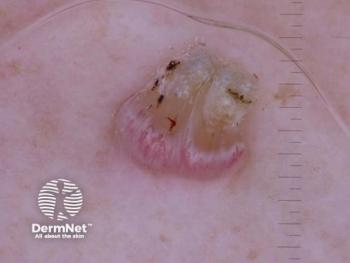
Verrica Pharmaceuticals initiates phase 3 trials for VP-102, aiming to provide an effective treatment for common warts, addressing significant unmet needs.
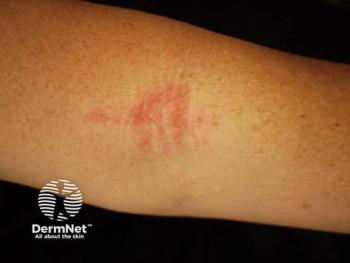
Apogee Therapeutics reveals promising phase 1b trial results for zumilokibart, highlighting its potential as a durable treatment for atopic dermatitis.

Expert consensus clarifies systemic corticosteroid use in atopic dermatitis, emphasizing risks and advocating for advanced therapies for better patient outcomes.

Explore how precision dermatology leverages immune pathways to enhance treatment for inflammatory skin diseases.
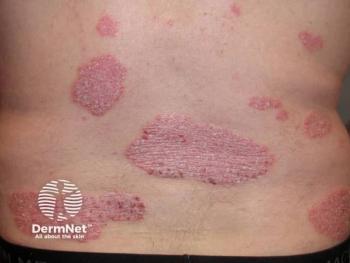
Envudeucitinib shows promising results as a new oral therapy for psoriasis, achieving high skin clearance rates and rapid symptom improvement in clinical trials.
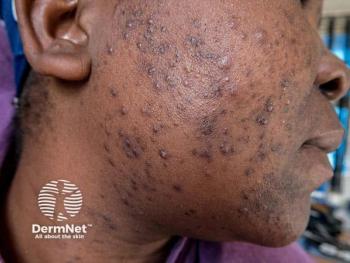
Discover how a novel 1550-nm laser treatment effectively addresses acne scarring in diverse skin types, enhancing safety and results for all.

Explore the latest French guidelines for systemic psoriasis therapy, highlighting new treatments and tailored management strategies for diverse patient needs.