


World Skin Health Day unites global dermatology leaders to enhance skin health awareness, access, and equity in underserved communities worldwide.
World Skin Health Day unites global dermatology leaders to enhance skin health awareness, access, and equity in underserved communities worldwide.

Oversight and endorsement from trusted clinicians were consistent patient requirements for integrating both AI and telemedicine.

At DERM 2025, David Cotter, MD, PhD, shared how GEP testing revolutionizes skin cancer management and enhances patient care at the forefront of dermatology innovation.

Evolus advances facial aesthetics with Evolysse Sculpt, a new hyaluronic acid gel targeting mid-face volume loss, pending FDA approval.

Karen McGuire, PhD, discusses TAMES-02, a clinical trial evaluating TolaSure for Epidermolysis Bullosa Simplex.

This review of the latest dermatologic studies includes a case study of coexisting alopecia and BP treatment, hypochlorous acid for epidermolysis bullosa wounds, DMG-Na and caffeine for hair loss, and more.

Catch up on dermatology news, highlights, and insights from the past 24 hours.
At the Elevate-Derm Summer 2025 meeting, Walter Liszewksi, MD, discussed how new topical therapies, particularly JAK inhibitors, are transforming AD care with rapid itch relief, effectiveness in complex cases, and patient-friendly formulations for sensitive areas.

Explore expert insights from Adam Friedman, MD, FAAD, on emerging topical treatments for atopic dermatitis, featuring real-world cases and practical strategies for improving care and access.

Expanded prescribing rights for pharmacists could ease treatment delays and improve access for AD patients.
Dr. Rossi DERM MD blends dermatologic science with K-beauty aesthetics for effective, evidence-based solutions.


Explore the latest advancements in psoriasis treatment with innovative topical therapies, enhancing patient outcomes and simplifying management for diverse skin types.
Catch up on dermatology news, highlights, and insights from the past 24 hours.

Ted Lain, MD, MBA, moderated a Case-Based Roundtable event to discuss diverse case presentations of vitiligo and how to build a treatment regimen.

Answer today's poll and explore the evolving aesthetic trends among Millennials and Gen Z, focusing on their unique preferences for skin care, fillers, and Botox treatments.

Discover Anthony Rossi, MD, FAAD, FACMS's innovative skin care line targeting inflammatory aging with clinical science, clean formulations, and effective anti-aging solutions.

Orphan designation provides Soligenix with potential regulatory, financial, and exclusivity benefits as it develops SGX945.

Pediatric psoriasis poses unique treatment challenges, highlighting the importance of early intervention and awareness of comorbidities in young patients.

Put your dermatology expertise to the test with Dermatology Times’ interactive quiz series!

Explore the top headlines of the week, including insights on the latest clinical trials, therapeutic updates, and more.

In case you missed it, this week we had news about the first annual GPP Awareness Day, a warning from the FDA on whipped sunscreens, the accuracy of vitiligo video content on TikTok, and more.

This week, we feature top articles from our sister publications on regulatory updates, clinical trial insights, and more.

Catch up on dermatology news, highlights, and insights from the past 24 hours.

The latest study reveals the link between cosmetic use and acne, highlighting the risks of comedogenic ingredients in moisturizers, facial cleansers, and powders.

A recent HS Summit hosted by UCB brought together clinicians and patient advocates to strengthen research and awareness efforts.

Discover how internet-based therapy effectively treats dermatological BFRBs like trichotillomania and dermatillomania, enhancing patient outcomes and accessibility.

Explore how synthetic data revolutionizes CSU research, enabling smaller sample sizes and enhancing trial efficiency and inclusivity.
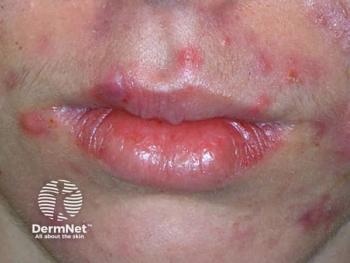
Explore innovative acne therapies, including bimekizumab, offering hope for treatment-resistant acne conglobata and improved patient outcomes.

Catch up on dermatology news, highlights, and insights from the past 24 hours.