


Muscle spasms are the most common adverse event experienced by patients treated with hedgehog inhibitors for basal cell carcinomas.
Muscle spasms are the most common adverse event experienced by patients treated with hedgehog inhibitors for basal cell carcinomas.

This week’s collection of the latest dermatologic studies includes artificial intelligence in cutaneous lesions, dupilumab-induced acanthosis nigricans, aesthetic considerations for treating lesbian, gay, and bisexual patients, and monotherapies for male androgenetic alopecia.

This Skin Cancer Awareness Month, take a look at previous coverage from 2024.

They are confident prescribing roflumilast to patients with diverse skin and hair characteristics, including those with a history of hair treatments.

5 experts share insights on long-term safety, efficacy, demographic variances, and more in pediatric AD.
Click here to read more and answer our quiz questions in recognition of Skin Cancer Awareness Month.

This Mother's Day, we are reviewing the interconnected relationships between pregnancy, breastfeeding, skin conditions, and managing dermatoses.

Keep up with the latest headlines in dermatology from the past week, including a California bill proposing banning the sale of anti-aging products to children, collaborative skin cancer awareness efforts, and more.

In case you missed it, this week we had news about skin cancer resources to share with patients, positive phase 3 results of imsidolimab for GPP, improvement in anxiety and depression after 2 years of treatment with dupilumab for AD, and more.

Earlier this week, we shared our first Skin Cancer Awareness Month quiz. Review the answers and your responses below.

Factors such as ultraviolet radiation, rising temperature, and air pollution may all play a role in the increasing incidence of skin cancers.

Patients with AD experienced significant impacts to disease severity, disease control, and quality of life regardless of lesion location count.

A poster from the 2024 American Psychiatric Association Annual Meeting delved into the relationship between MDD and various dermatologic conditions.

Patients who responded to imsidolimab in GEMINI-1 and who moved into GEMINI-2 maintained clear or almost clear skin.

This Skin Cancer Awareness Month, we have compiled a list of resources for clinicians to share with their patients.

Researchers explored the risk of SPM in patients of different races with the rare type of tumor of the skin.

VYNE expects to enroll the first patient with vitiligo in the phase 2b trial for VYN201 in the second quarter of 2024.

Authors of a recent review concluded that combining various therapies holds promise in the treatment of acne scarring.

Leading dermatologists explore key benchmarks, emerging trends, personalized medicine approaches, and more in atopic dermatitis.

Renata Block, MMS, PA-C, shares her favorite topics from the aesthetic conference held last month.
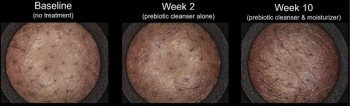
A prebiotic cleanser and moisturizer regimen not only significantly alleviated the severity of atopic dermatitis and xerosis, but also uncovered crucial differences in symptom experiences.
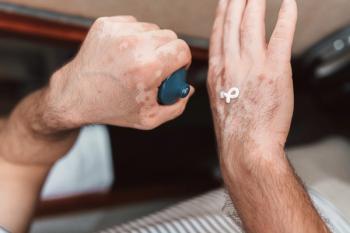
Topical Bacitracin, Neosporin, and Vaseline were applied to mice over a 6-week period.

The awarded grant will span a total of 3 years.

Aaron Farberg, MD, discusses the low-dose, affordable Accutane treatment and Clear Health’s mission to improve patient access to affordable acne therapies.

Following treatment, 17.5% and 13% of patients reported residual depressive and anxiety symptoms.

Dermatology Times' Spring Editor in Chief, Aaron Farberg, MD, discusses the business strategy known as buy and bill.

A 5-expert panel delves into atopic dermatitis guidelines and recommendations and recent studies to make note of.

ASLAN Pharmaceuticals presented new data this morning, including a 90% EASI score reduction.

In addition, authors of a research letter noted that patients with vitiligo demonstrated a comparable risk of myocardial infarction and cerebrovascular accident.
Brian Kim, MD, had an unexpected attendee at one of his AAD sessions and delves into what's new, what's now, and what's next in atopic dermatitis management.