

Hadar Lev-Tov, MD, MAS, President of the HS Foundation, discusses the organization's hopes for the future and upcoming efforts.
Hadar Lev-Tov, MD, MAS, President of the HS Foundation, discusses the organization's hopes for the future and upcoming efforts.

Supportive data for roflumilast in adults and children 6 years of age and older stems from the INTEGUMENT studies.
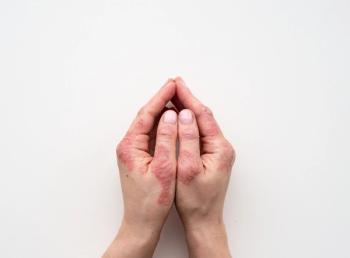
Based on these findings, Innovent plans to submit a New Drug Application to the Center for Drug Evaluation of National Medical Product Administration.

Social media is fraught with misinformation. Pharmacists play a key role in breaking through the fallacies with facts and education on skin care.

The month of May has been full of pipeline news, including updates on VYN201 for nonsegmental vitiligo, imsidolimab for GPP, sonelokimab for HS, and more.
Click here to read more and answer our quiz questions in recognition of Skin Cancer Awareness Month.
Keep up with the latest headlines in dermatology from the past week, including exposure to UV light and its implications for metabolism, the effects of skin conditions on children, and more.

In case you missed it, this week we had news about results from BE HEARD I and BE HEARD II published in The Lancet, AbbVie's Clearly Me Campaign, the role of HIF-1-alpha in inflammation and psoriasis, and more.

ICYMI: 5 news headlines that impact the treatment of scars, wounds, melanoma, and other skin conditions impacting veterans and active military personnel.

Misinformation regarding the use of corticosteroids remains persistent and may have implications on patient care.

Supplementation with RGLE led to clinically significant improvements in patients with acne vulgaris, according to a study.

Earlier this week, we shared our third Skin Cancer Awareness Month quiz. Review the answers and your responses below.
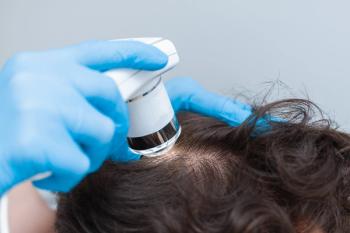
The largest patient study across the continent found a direct link between the extent of hair loss and the negative impact on quality of life.

Regional disparities were highlighted in a study of inpatient dermatology encounters, locations, and providers from 2013 to 2019.

Tiffani Botts Massey, PA-C, Florida Society of Dermatology PAs President Elect, and Heather Gates, PA-C, the organization's current president, preview the upcoming conference.

The Lancet data is the primary publication of bimekizumab results from BE HEARD I and BE HEARD II.

Scores for erythema, dryness, quality of life, and aesthetic improvement were all markedly improved in patients using tranexamic acid versus traditional therapy alone.

A new acne-specific HRQoL questionnaire developed in Europe could help to create more comprehensive, individualized treatment plans.

The new action date is December 29, 2024.

While MMS is recognized as the gold standard for skin cancer treatment, numerous challenges still hinder widespread adoption and practice.

VYNE Therapeutics' Iain Stuart, PhD, spoke with Dermatology Times to discuss recent phase 1 and pre-clinical data for VYN201 for vitiligo.

Researchers from NYU Langone recently published a study clarifying the role of HIF-1-alpha in inflammation and psoriasis, which has been unclear until now.

This month's Legal Eagle column examines if patients have a legal property right to health care, given public funding of medical education.

A study out of Japan found some biologics used to treat psoriasis may require higher dose escalation than others.

Andrew Baker, MBA, MPAS, PA-C, discusses his role in skin cancer detection and advice for PAs interested in skin surgeries and Mohs closures.

Ayesha Patrick, the founder of Sistas With Psoriasis, spoke with Dermatology Times about her involvement in AbbVie's Clearly Me campaign.

A large amount of studies included in the review centered around the use of botulinum toxin in these indications.

Some states offer great homestead protection, but most provide an inadequate shield. Learn how to protect your greatest assets.

A 5-expert panel continues their conversation on atopic dermatitis, discussing patient-centered care and key takeaways.

Results of a recent study show RECAP's impact on adult Asian patients with AD.