




Skin Cancer
Latest News
Advertisement
Latest Videos



CME Content





Advertisement
More News

UC Berkeley’s Broc Vargo shares how growing up in tanning salons inspired his passion for dermatology, sun safety, and public health advocacy.

Discover essential sun protection strategies from Dr. Susan Taylor, focusing on the impacts of UV, visible light, and personalized sunscreen choices.

New research highlights the importance of tinted sunscreens with iron oxides for effective protection against visible light-induced skin pigmentation, especially for darker skin tones.

At this year's Fall Clinical PA/NP meeting, Darrell Rigel, MD, MS, spoke about the evolving role of GEP in managing melanoma and squamous cell carcinoma.

Explore the latest insights, strategies, and treatments for patients with skin cancer as Dermatology Times looks back on Melanoma and Skin Cancer Awareness Month.

Renata Block, PA-C, speaks with patient advocate Brittanny Groover on her experience, how to educate young patients, and understanding the psychosocial impact of melanoma.

Peter Graylin shares his transformative skin cancer journey, emphasizing the importance of early detection, sun safety, and accessible dermatology programs.

AI Medical Technology launches Dermalyser, an AI tool for melanoma diagnosis, enhancing detection accuracy and skin cancer care in Europe.

As melanoma rates rise, Victor Gall, MD, emphasizes proactive care, early detection, and innovative treatments to improve patient outcomes and survival rates.
A melanoma survivor shares her journey, emphasizing the importance of early detection and regular skin exams for skin cancer awareness.

New research explores how microgravity and cosmic radiation influence cancer cell behavior, immune responses, and potential advancements in oncology treatments.

A melanoma survivor shares her journey, emphasizing the importance of sun safety and regular skin exams to prevent skin cancer.

The Skin Cancer Foundation's gala raises over $800,000, featuring Christie Brinkley and highlighting vital skin cancer awareness initiatives and personal stories.

Integrating molecular testing into melanoma and SCC management enhances risk assessment and personalizes treatment, revolutionizing patient care in dermatology.

Sun safety awareness grows with Laura Scott, MD, FAAD, and Sun Bum's "Trust the Bum Tour," offering free SPF products and education to diverse communities nationwide.

In honor of Melanoma Awareness Month, Glowbar CEO Rachel Liverman spoke to Dermatology Times about this new collaboration, which aims to increase patients' daily sunscreen use by 2026.

Explore the urgent need for improved skin cancer awareness and care for minority populations, addressing disparities in diagnosis and treatment.

This Melanoma Monday, we take a look at melanoma care in the US, from treatments to persistent gaps in access, early detection, and long-term outcomes.
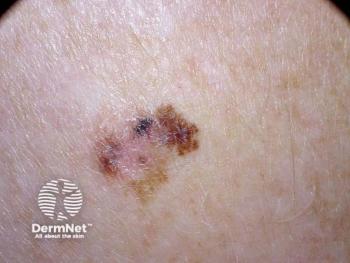
Patients with mucous membrane pemphigoid face increased skin cancer risks, particularly squamous cell carcinoma, highlighting the need for vigilant screening.
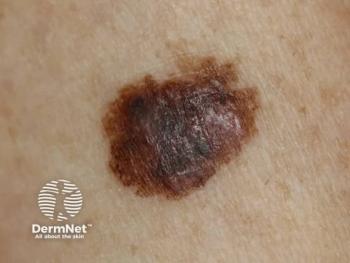
Stage IV melanoma survivors face persistent adverse effects and distress, highlighting the need for targeted psychological support and care.

New findings reveal DecisionDx-Melanoma more accurately identifies patients with under 5% risk of SLN positivity, supporting safer avoidance of SLNB surgery.

The Photobiology Committee also issues a public safety warning regarding sun protection misinformation amid growing rates of skin cancer in the U.S.
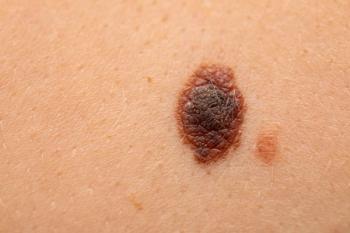
New research reveals that early discontinuation of adjuvant immunotherapy for melanoma does not lead to worse outcomes.
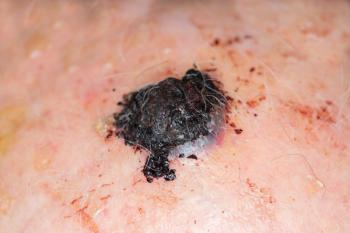
New prospective data from the DECIDE study reinforce the role of the 31-GEP test in clinical decision-making.
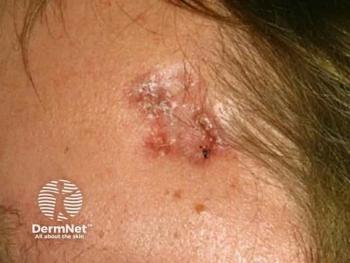
High response rates and no systemic toxicity in multiple nonmelanoma skin tumors were observed in this vulnerable patient population.
Advertisement
Advertisement
Trending on Dermatology Times
1
FDA Accepts Galderma’s BLA Resubmission for Liquid Neuromodulator RelabotulinumtoxinA
2
AbbVie Files for Vitiligo Indication, Putting Systemic Therapy Under Regulatory Review
3
Introducing Dermatology Times NP/PA Connect
4
Icotrokinra Shows Superior Efficacy Over Advanced Oral Therapies in New Psoriasis Meta-Analysis
5