


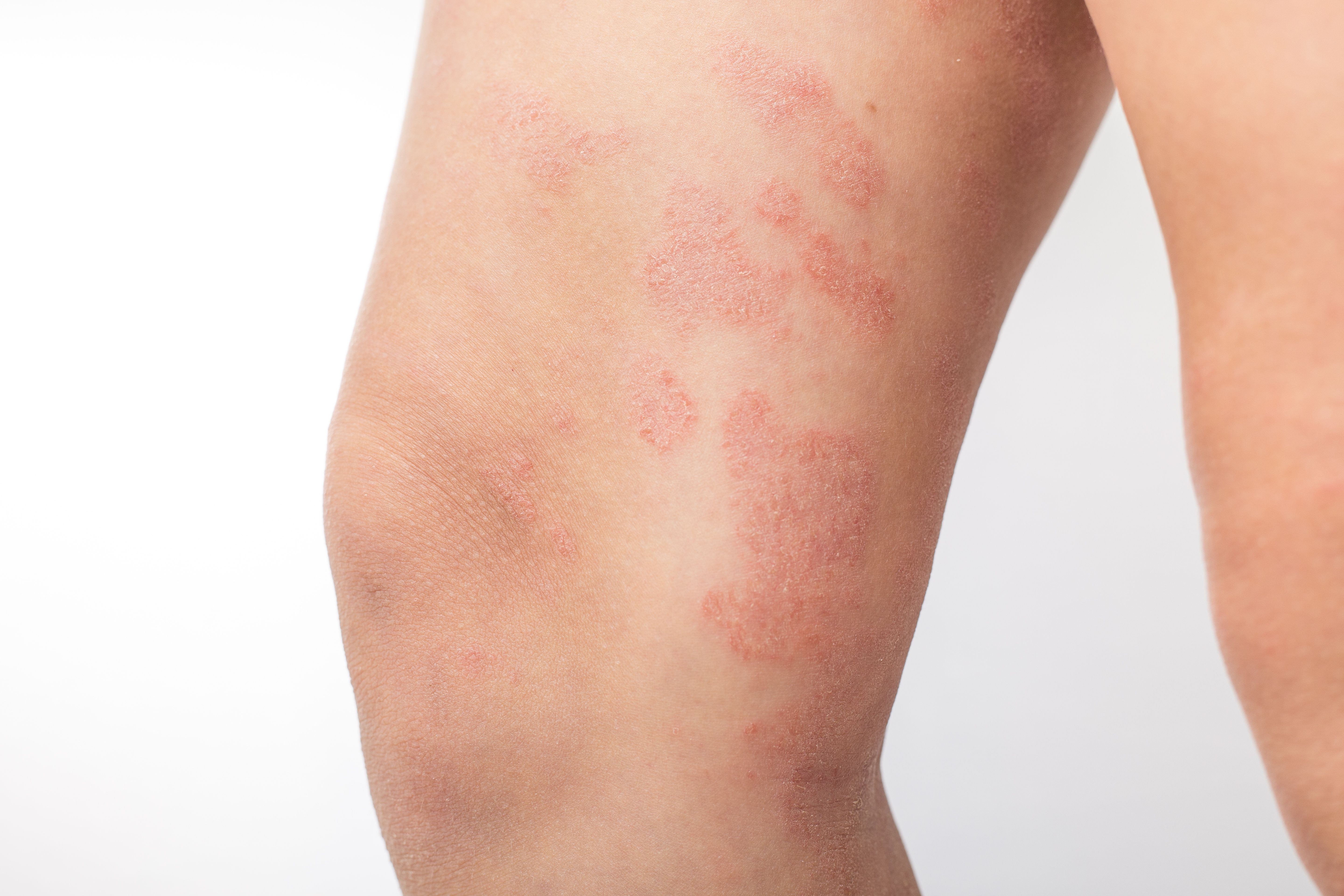




Atopic Dermatitis
Latest News
Advertisement
Latest Videos




CME Content







Advertisement
More News

Investigators found a steady reduction of IgE levels in patients regardless of dupilumab dosing interval.

Roflumilast cream .05% for mild to moderate atopic dermatitis in children also met secondary endpoints.

The Small Business Innovation Research grant enables ResVita Bio to develop RVB-101 for treatment of severe atopic dermatitis.

Skin clearance and itch relief were maintained through 1 year of treatment with monthly maintenance.

According to researchers, only 3 studies have previously explored a potential link between AD and dementia with inconsistent findings.

World Atopic Eczema Day initiative from Almirall highlights experiences and facts about atopic dermatitis.

Nektar Therapeutics announced the promising and statistically significant results, which included meeting endpoints of BSA, DLQI and POEM in patients with atopic dermatitis.

Jennifer Holman, MD, FAAD, and her patient, Audrey Dean, discuss Audrey’s initial diagnosis experience. Jennifer Holman goes on to describe how different patient populations struggle to access quality care.

Audrey Dean and her dermatologist, Jennifer Holman, MD, FAAD, discuss the importance of having a network of support when diagnosed with atopic dermatitis.

The submission follows the announcement of recent long-term data of the drug in patients ages 6 years and older.

Roflumilast maintained disease control when patients switched to twice-weekly dosing.

The review found that utilizing dupilumab to treat these patients with AD cost more than using baricitinib, although dupilumab was more effective.

As we approach National Eczema Week and National Eczema Month, take a look at the most influential atopic dermatitis research from the last decade.

Experts discuss how new data are evolving standards of care for atopic dermatitis (AD) in terms of safety and redefining response to therapy.

Christopher Bunick, MD, PhD, presents the conclusions and major take-aways of the study comparing the safety of Janus Kinase (JAK) inhibitors and systemic immunosuppressants in the treatment of atopic dermatitis (AD).

Jennifer Holman, MD, FAAD, and her patient, Audrey Dean, discuss Audrey’s initial symptoms and how the disease impacted her quality of life (QoL). Jennifer Holman reflects on how her practice and approaches have changed as she learned more about the daily impact of atopic dermatitis.

A dermatologist and her patient discuss the pathophysiology and major comorbidities of atopic dermatitis (AD), highlighting the main differences between adult and adolescent AD.

Two poster presentations at this year’s Society for Pediatric Dermatology Meeting delve into the psychological impact of the condition and a new option for management.

Experts discuss the selectivity of Janus Kinase (JAK) inhibitors and considerations when selecting treatment for atopic dermatitis (AD).

Christopher Bunick, MD, PhD, and Ruth Ann Vleugels, MD, MPD, MBA, discuss the nuances of box warnings and how clinicians should assimilate these risk factors in the treatment of atopic dermatitis (AD).
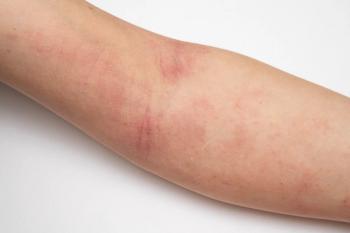
Researchers found an association between ADHD and three inflammatory conditions—atopic dermatitis, otitis media, and herpes simplex infection.

The post hoc analysis published in JAMA Dermatology studied the safety and efficacy of tralokinumab in adults aged 65 and older.

Christopher Bunick, MD, PhD, discusses a novel tool to visualize key safety results of Janus kinase inhibitors in treating patients with atopic dermatitis.

Experts discuss the results of a study comparing the safety of Janus Kinase (JAK) inhibitors and systemic immunosuppressants in the treatment of atopic dermatitis (AD).

Among children and adolescents with atopic dermatitis, higher severity led to more school absences.
Advertisement
Advertisement
Trending on Dermatology Times
1
AbbVie Files for Vitiligo Indication, Putting Systemic Therapy Under Regulatory Review
2
Icotrokinra Shows Superior Efficacy Over Advanced Oral Therapies in New Psoriasis Meta-Analysis
3
Nutrafol Expands Portfolio with First and Only Hair Loss Supplement for Male Patients 50 and Older
4
Introducing Dermatology Times NP/PA Connect
5