




Atopic Dermatitis
Latest News
Advertisement
Latest Videos
CME Content






Advertisement
More News

Panelists discuss how age restrictions for PDE4 inhibitors affect treatment decisions for pediatric patients with atopic dermatitis, addressing parental concerns and highlighting the benefits of a single treatment option like roflumilast for managing overlapping inflammatory dermatologic conditions; they also explore current guidelines for corticosteroid use, the potential impact of PDE4 inhibitors on these guidelines, and the future of topical PDE4 inhibitors in dermatology, including the integration of new agents into treatment paradigms and key considerations for patient education and decision-making.
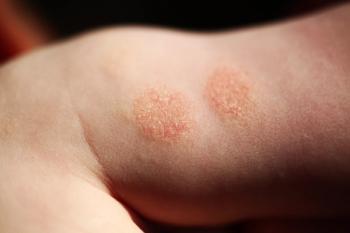
The study underscores the need for careful dietary advice to balance effective AD management and minimize food allergy risks.

ENS-002 targets S. aureus in atopic dermatitis.
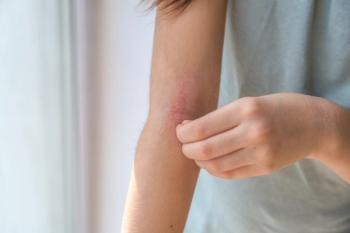
Patients with moderate to severe atopic dermatitis saw the most improvement after taking 600 mg of tozorakimab.
Panelists discuss common misconceptions about the mechanism of action of PDE4 inhibitors in clinical practice, emphasizing that not all PDE4 inhibitors are created equal and how these differences can significantly impact their efficacy and safety profiles.
Panelists discuss the current landscape of topical treatments for atopic dermatitis, focusing on the evolution of nonsteroidal options over the past decade, and explain the mechanism of action of PDE4 inhibitors in specifically targeting inflammatory pathways associated with the condition.
Panelists discuss how topical PDE4 inhibitors compare to traditional treatments like corticosteroids in terms of efficacy, safety, and long-term disease control, while also examining the unique formulations of roflumilast and crisaborole and their implications for skin penetration and patient experience; they highlight practical considerations for application, the management of adverse effects such as stinging and burning, and the distinct advantages of PDE4 inhibitors in addressing specific gaps in atopic dermatitis management for various patient subgroups.

Zirwas presented 2 sessions at SDPA on innovative care strategies for patients with AD and other itch-related diseases.
APPs found that patients on systemic therapies for AD experience fewer issues with adherence compared to those using topicals only.
Panelists discuss the current landscape of topical treatments for atopic dermatitis, focusing on the evolution of nonsteroidal options over the past decade, and explain the mechanism of action of PDE4 inhibitors in specifically targeting inflammatory pathways associated with the condition.

The target action review date has been pushed to March 12, 2025.

The LIBERTY-AD PED-OLE study showed clinical remission for moderate to severe atopic dermatitis.

Christopher Bunick, MD, PhD, highlights rademikibart's next-generation efficacy, showing stronger IL-4Rα binding affinity in atopic dermatitis and asthma.
After 1year of dupilumab treatment, researchers reported 76.5% of patients achieved CR, with further improvement to 85.6% after 3 years.

Egeberg discusses promising new treatments and insights from recent clinical trials, highlighting significant advancements in chronic hand eczema and atopic dermatitis care presented at the EADV 2024.

At Fall Clinical 2024, Christopher Bunick, MD, PhD, presented findings on the prevalence of systemic corticosteroid use among patients with atopic dermatitis and highlighted how those treated with upadacitinib achieved and sustained optimal skin clearance and itch relief long-term.
Posters at AMCP Nexus analyzed the burden of flares on patients with atopic dermatitis (AD) and the impact initiating ruxolitinib cream had on use of other therapies.

At Fall Clinical 2024, Christopher Bunick, MD, PhD, discussed systemic therapy options and the importance of comprehensive treatment targets in managing atopic dermatitis, emphasizing AHEAD recommendations and LEVEL UP data.
A poster presentation from Fall Clinical 2024 detailed the effect of rocatinlimab on SCORAD scores across baseline characteristic subgroups in adults with moderate to severe atopic dermatitis.
The phase 3b study shows Ebglyss reduced eczema severity and itch in challenging areas, with 60% of prior dupilumab patients meeting key improvement by week 24.
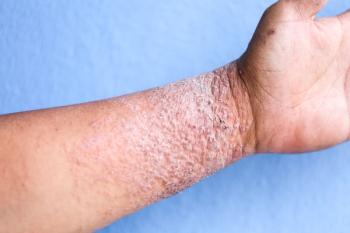
Adbry achieved EASI-75 in 92.9% and IGA 0/1 in 66.7% of AD patients, with a strong safety profile.
Shawn Kwatra, MD, reviews key highlights of his sessions at Fall Clinical 2024 on the latest updates in itch conditions.

Christopher Bunick, MD, PhD, presented the latest period 2 data at Fall Clinical 2024.
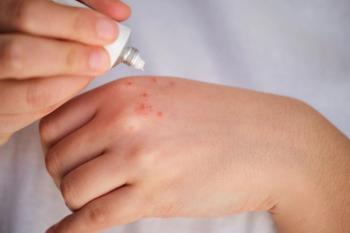
Clinicians presented a panel-style session at Fall Clinical, touching on the drawbacks of topical steroid use and alternatives in AD patients.
Del Rosso reviews numerous new and upcoming topical therapeutics and indications including ruxolitinib, tapinarof, and more.
Advertisement
Advertisement
Trending on Dermatology Times
1
AbbVie Files for Vitiligo Indication, Putting Systemic Therapy Under Regulatory Review
2
Icotrokinra Shows Superior Efficacy Over Advanced Oral Therapies in New Psoriasis Meta-Analysis
3
Nutrafol Expands Portfolio with First and Only Hair Loss Supplement for Male Patients 50 and Older
4
Introducing Dermatology Times NP/PA Connect
5