


Late breaking data points to positive data for dupilumab for bullous pemphigoid.
Late breaking data points to positive data for dupilumab for bullous pemphigoid.

Adamson highlighted melanoma's rising incidence and the growing concerns of overdiagnosis at AAD 2025.

Shawn Kwatra, MD, FAAD, reviews his late-breaking data presentation at AAD on the first original studies of a topical cream for prurigo nodularis.

Linda Stein Gold, MD, FAAD, discusses the late-breaking tapinarof cream data presented at AAD 2025.

The ADORING 3 study demonstrated that tapinarof cream 1% maintains low disease activity in patients with AD for an average of 79.8 days post-treatment.

At AAD 2025, UCB will present 5-year data for Bimzelx in psoriasis, highlighting rapid, durable responses and long-term safety for patients.

In case you missed it, this week we had news about the achievements of female dermatologists for Women’s History Month, Takeda’s initiative to improve clinical disparities in psoriasis research, previews of this week’s AAD Annual Meeting, and more.

Catch up on coverage from the first day of the 2025 American Academy of Dermatology Annual Meeting held in Orlando, Florida.

Raj Chovatiya, MD, PhD, MSCI, discusses how early-career dermatologists can gain the most benefit from this year’s annual meeting.
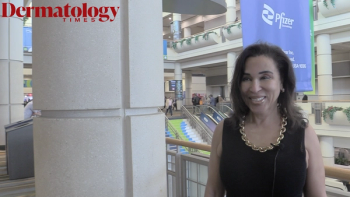
Jeanine Downie, MD, FAAD, discussed critical updates on tattoo ink safety, new dermatologic technologies, biostimulators, and more at AAD 2025.

The phase 2 trial of bimiralisib gel shows promising efficacy and safety for actinic keratosis, with up to 70% lesion clearance.

In addition to Taylor, several other new leaders have been appointed to key roles within the AAD to help drive its mission of advancing dermatology.

Along with his session insights on diet and chronic spontaneous urticaria, Friedman shares tips for navigating the largest dermatology conference in the US.

Ahead of the annual meeting, Dermatology Times spoke with Draelos about why she looks forward to the meeting each year.
Adamson highlights key topics to expect at the AAD Annual Meeting, emphasizing the importance of tackling controversial issues and fostering collaboration.

The company showcased advancements in tirbanibulin and its early-stage antibody LAD191.

Published in JID, the study analyzes data from the FDA’s FAERS database to examine cases of neoplasms—including skin and breast cancers—potentially associated with benzoyl peroxide use.

Read more on how to navigate all the opportunities at this year’s AAD meeting, which starts today in Orlando, Florida.

The analyzed dataset included over 200,000 patients with vitiligo to find trends in diagnosis, treatment, and more.

The findings of the MVOR-1 and MVOR-2 studies are published in JAMA Dermatology, supporting the rosacea drug’s recent FDA approval.

Serota and other field experts discussed best practices as well as new therapeutics.

Among the many sessions to be held at the American Academy of Dermatology Annual Meeting in Orlando, Florida, several Dermatology Times Editorial Advisory Board members are preparing to share their knowledge and insights.

Patrick Burnett, MD, PhD, shares key updates expected in 2025 for therapeutics treating atopic dermatitis, alopecia areata, and more.

Experts discussed laser and light-based therapies for acne, rosacea, hyperpigmentation, and inflammatory skin diseases.

Catch up on dermatology news, highlights, and insights from the past 24 hours.
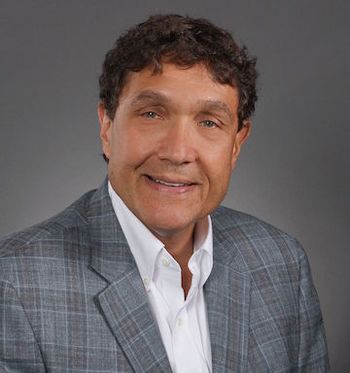
At AAAAI/WAO 2025, Bernstein explored new findings on rilzabrutinib and dupilumab in CSU, highlighting treatment gaps and future therapies.

The novel formulation improved the appearance of dry and chapped lips after 28 days of use.

Experts discussed personalized approaches to atopic dermatitis, from steroid-sparing topicals to biologics, highlighting rapid relief and long-term management strategies.
Robinson shared insights into how the company is working to fight clinical research disparities.

The novel formulations will harness Quoin’s Invisicare technology to treat microcystic lymphatic malformations, venous malformations, and angiofibromas.