





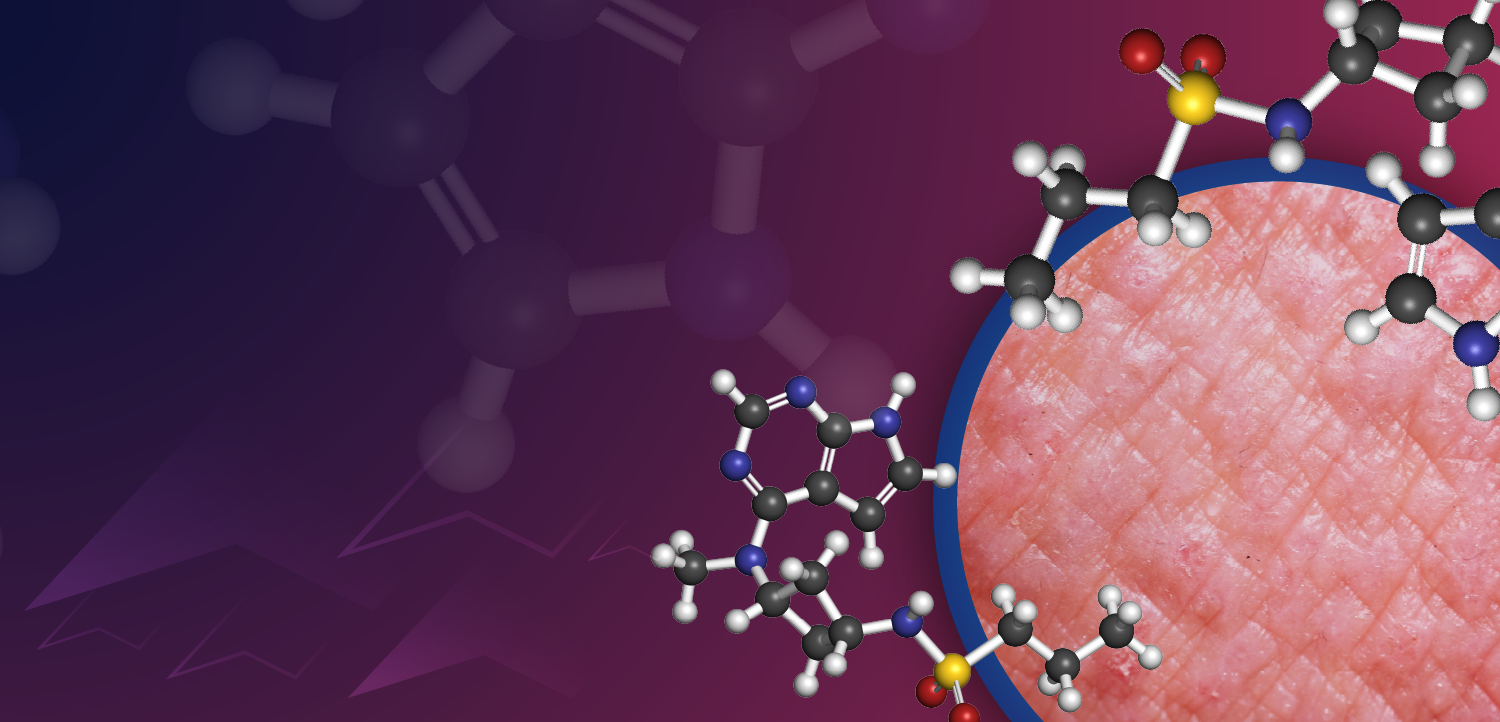

Sol-Gel Technologies and Galderma announce the FDA approval of the 5% benzoyl peroxide, cream for the treatment of inflammatory lesions of rosacea.
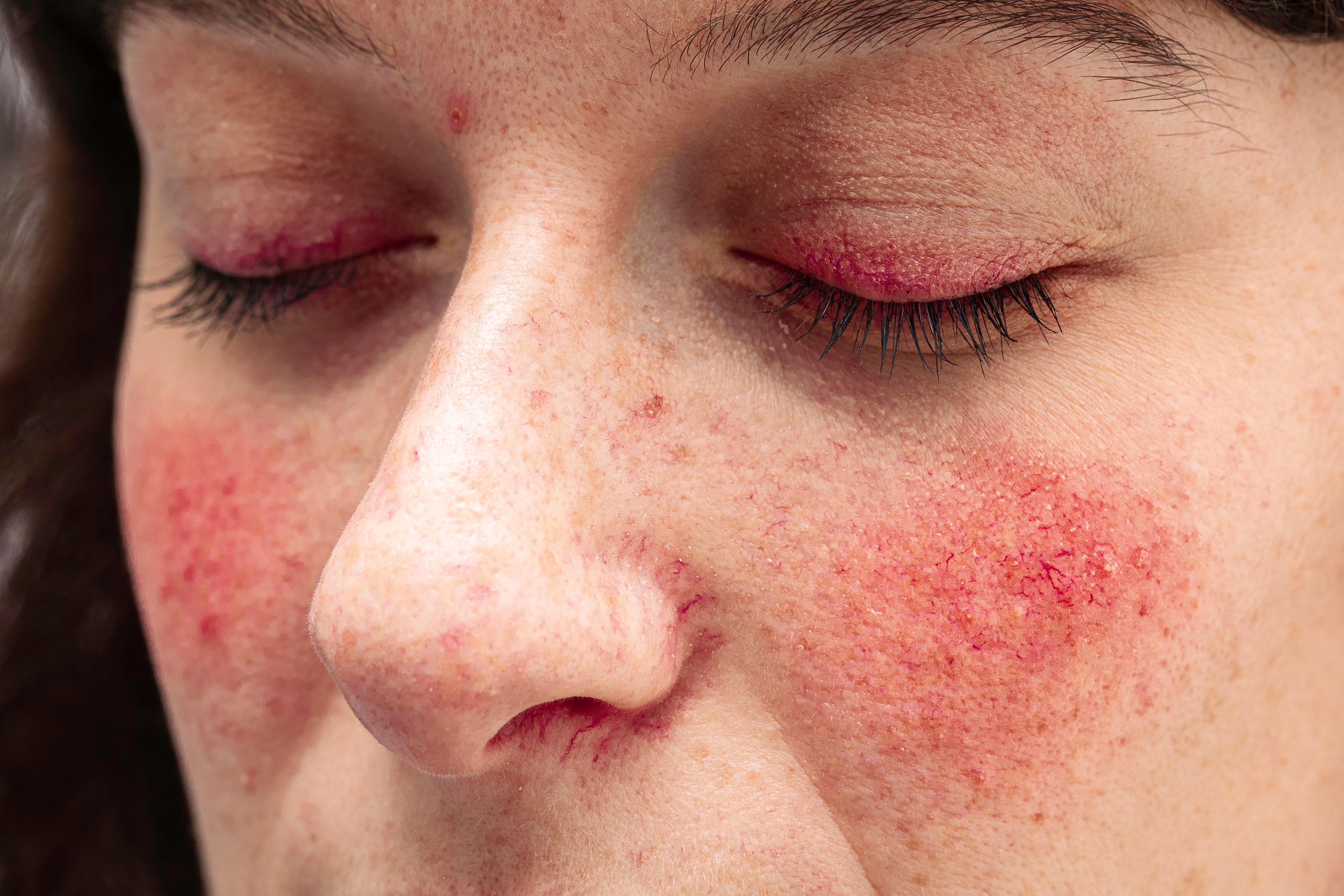
Sol-Gel Technologies and Galderma announce the FDA approval of the 5% benzoyl peroxide, cream for the treatment of inflammatory lesions of rosacea.

Dermatology Times® interviews editorial board member Richard Gallo, MD, PhD, who dives into what is currently lacking is rosacea patient care, how the new mechanisms of action of these potential treatments will better address current struggles, and more.
A study in the Journal of Clinical and Aesthetic Dermatology dove into the hereditary predisposition of rosacea within families.

Patients suffering from several dermatologic diseases and conditions including acne, rosacea, and pruritus can largely benefit from the new and exciting therapies and treatment modalities that have recently become available.

Treating these patients can be a challenge, but it can also be ‘as easy as pie’ if you follow these tips.

Hilary Baldwin, MD, used examples of challenging cases to show how to develop successful combination regimens.

Neal Bhatia, MD, highlights new approaches in rosacea therapy in his session at the Fall Clinical Dermatology Conference for PAs & NPs.
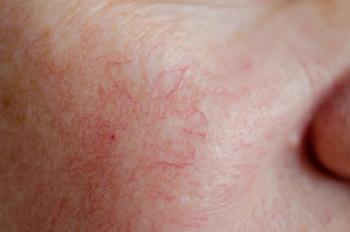
Optimizing rosacea treatment outcomes isn’t only about papules and pustules. Facial erythema needs to be part of an effective management plan.

In this presentation on rosacea from Maui Derm NP+PA Fall 2021, Julie Harper, MD, explains why combination therapy is more effective and how classifying rosacea patients by subtype can lead to suboptimal treatments.

Hilary Baldwin, MD, presented on how to recognize, diagnose, and treat rosacea in patients with skin of color at the Skin of Color Update 2021.

The National Rosacea Society has recently released recommendations based on a group discussion regarding updates in rosacea.

Challenges with overlaps in diagnosis and classification based on rosacea’s 4 subtypes are creating a new focus on features of the condition in each patient. A pipeline of new drugs awaiting FDA approvals could further expand options.

Novel inhibitor of the 26S proteasome was found to be safe, well-tolerated, and effective in reducing inflammatory lesions and erythema in patients with rosacea.

Camp Wonder, a camp that supports kids with skin disease and is sponsored by Galderma, is celebrating their 20th year of operations this week.
Journey Medical Corporation and Dr. Reddy’s Laboratories Ltd. have joined forces for the development and commercialization of DFD-19 as a treatment for rosacea.

Dermoscopy cannot diagnose D folliculorum proliferation but can reveal specific findings in patients with papulopustular rosacea.
Emmy Graber, MD, presented the updates in acne and rosacea treatments at the SCALE Acne and Rosacea update on June 9, 2021.

Nonprescription moisturizers and cleansers can play an integral role in delivering positive treatment outcomes for patients with rosacea.

Recent therapeutic advances in topical and systemic therapy offer new options for cases that have not responded to established treatment approaches.
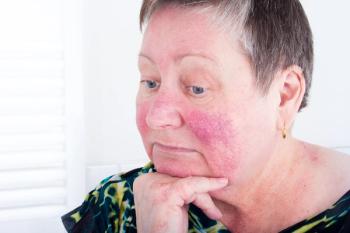
In treatments addressing muscular contraction, botulinum toxin inhibits nerves that innervate blood vessels from releasing acetylcholine, which triggers vasodilation. Its impact on the innate immune system suggests that botulinum toxin may also help reduce recalcitrant rosacea-related papules and pustules.
New treatments continue to expand therapy options, but a cure remains elusive.
Findings from a recent study indirectly support therapeutic approaches aimed at restoring the dermal matrix.
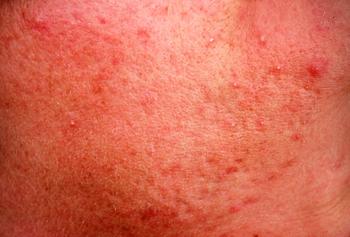
This formulation could be first FDA-approved single-agent E-BPO prescription drug to treat rosacea.

Recent research shows prolonged face-mask usage leads to negative quality-of-life impact and worsening of disease for rosacea.

Update tracks trending factors changing the treatment landscape.